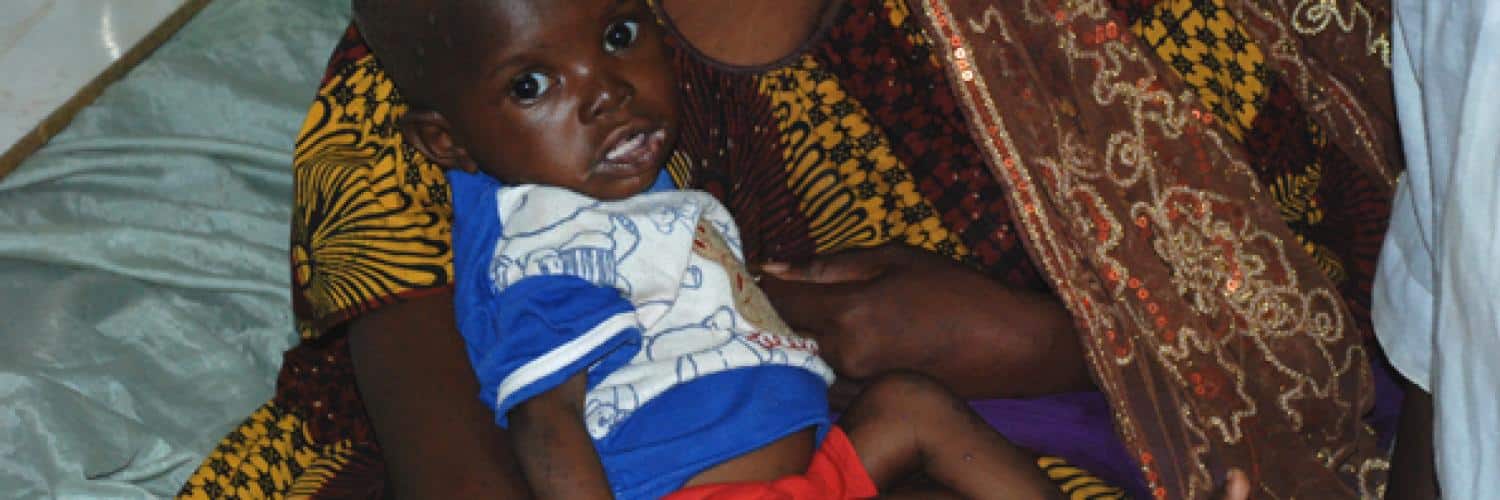
Mali’s nutrition crisis: a silent epidemic threatening children’s futures
Mali faces a severe public health crisis with child malnutrition affecting every corner of this West African nation of 15 million people. Despite recent prevention efforts, pockets of severe hunger persist across the country, demanding urgent attention.
Multiple regions in Mali grapple with alarming malnutrition rates. In response to one of Africa’s highest under-five mortality rates—nearly one in five Malian children does not survive past age five—government officials are increasingly prioritizing nutrition programs. Malnutrition’s devastating effects ripple through families and communities, leaving lasting scars on children’s physical and cognitive development.
Within Malian households, closely spaced births represent another critical factor contributing to child and maternal malnutrition. Research consistently shows that larger family sizes correlate with higher malnutrition rates among both children and mothers.
Exceeding global emergency thresholds
Global acute malnutrition (both moderate and severe) affects 15% of Mali’s population, surpassing the World Health Organization’s emergency threshold of 10%. Chronic malnutrition has reached 38% of children under five, far exceeding the international alert level of 20%. These sobering statistics place Mali among the nations with the most critical child nutrition situations.
An additional 80% of children under five and 65% of women in Mali suffer from iron deficiency, one of the world’s highest rates. This widespread anemia poses severe risks: iron-deficient children experience stunted intellectual development and learning difficulties, while anemic mothers are significantly more likely to give birth to malnourished babies. The consequences span from birth through adolescence, affecting entire communities.
With nearly half of Mali’s population impacted, nutrition deficiency has evolved from a health issue to a national crisis demanding coordinated solutions.
Strategies showing promise in Mali’s fight against malnutrition
Mali’s government has developed a clear nutrition policy framework, supported by international partners, to implement targeted interventions and improve care access. This comprehensive approach includes several key initiatives:
- Universal salt iodization program: Since adopting this measure, 79% of Malian households now have access to iodized salt, though the goal remains 90%. This program specifically targets iodine deficiency disorders that impair cognitive development in children.
- National Nutrition Intensification Weeks (Semaines d’Intensification des Activités Nutritionnelles – SIAN): Held twice annually since 2005, these campaigns now reach 95% of the country. Focused on children aged 6-59 months, SIAN has become embedded in community health practices, combining vitamin A supplementation with deworming treatments to boost immunity and prevent disease.
- Community-based screening and early intervention: UNICEF and partners train local health workers to identify malnutrition symptoms early, enabling prompt treatment. This grassroots approach has significantly reduced under-five mortality rates over the past decade, with coverage expanding from 50% in 2010 to higher current rates.
These coordinated efforts demonstrate Mali’s commitment to turning the tide on childhood malnutrition through sustainable, community-driven solutions that address both immediate needs and long-term systemic challenges.
Comments are closed, but trackbacks and pingbacks are open.