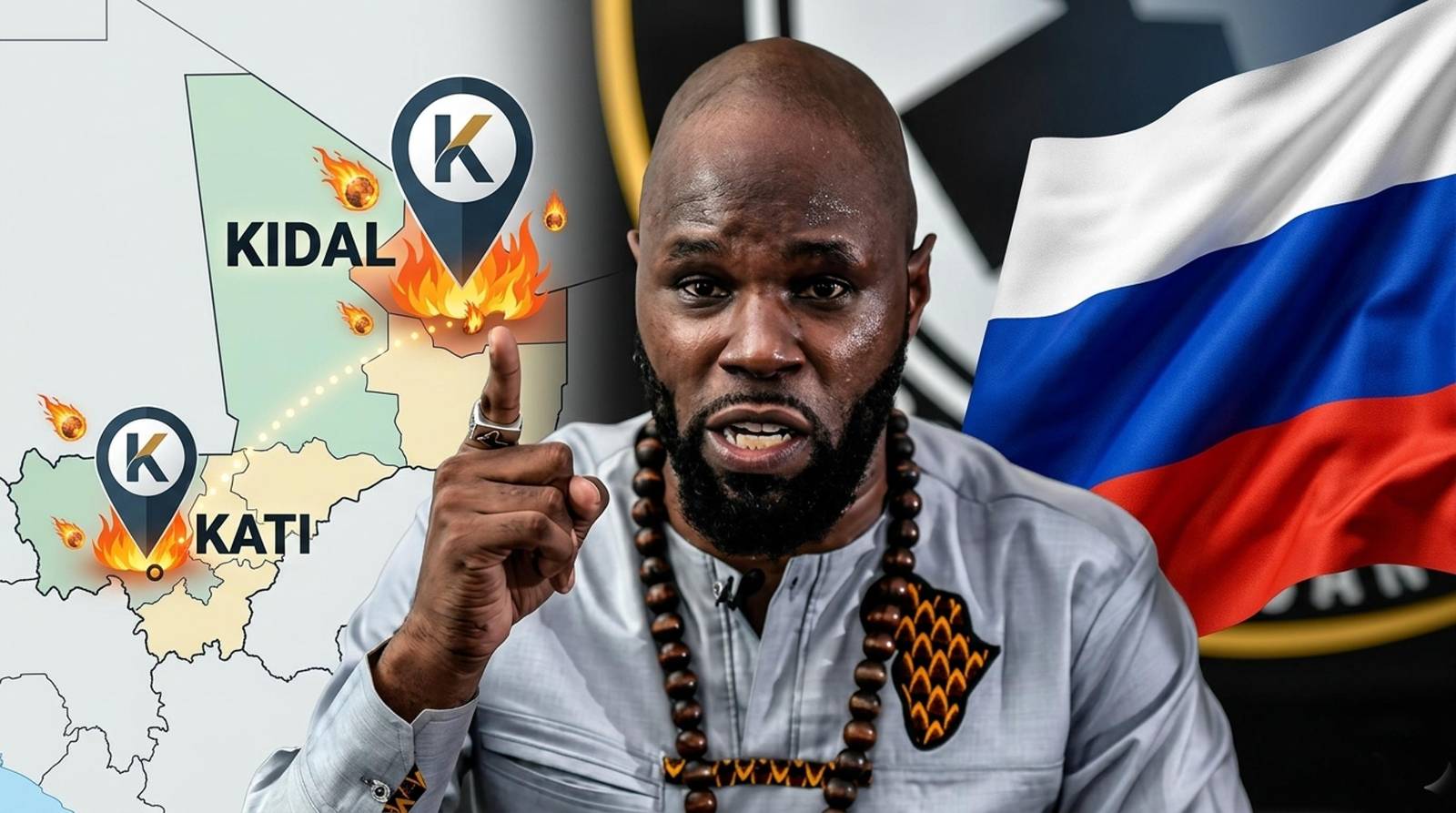
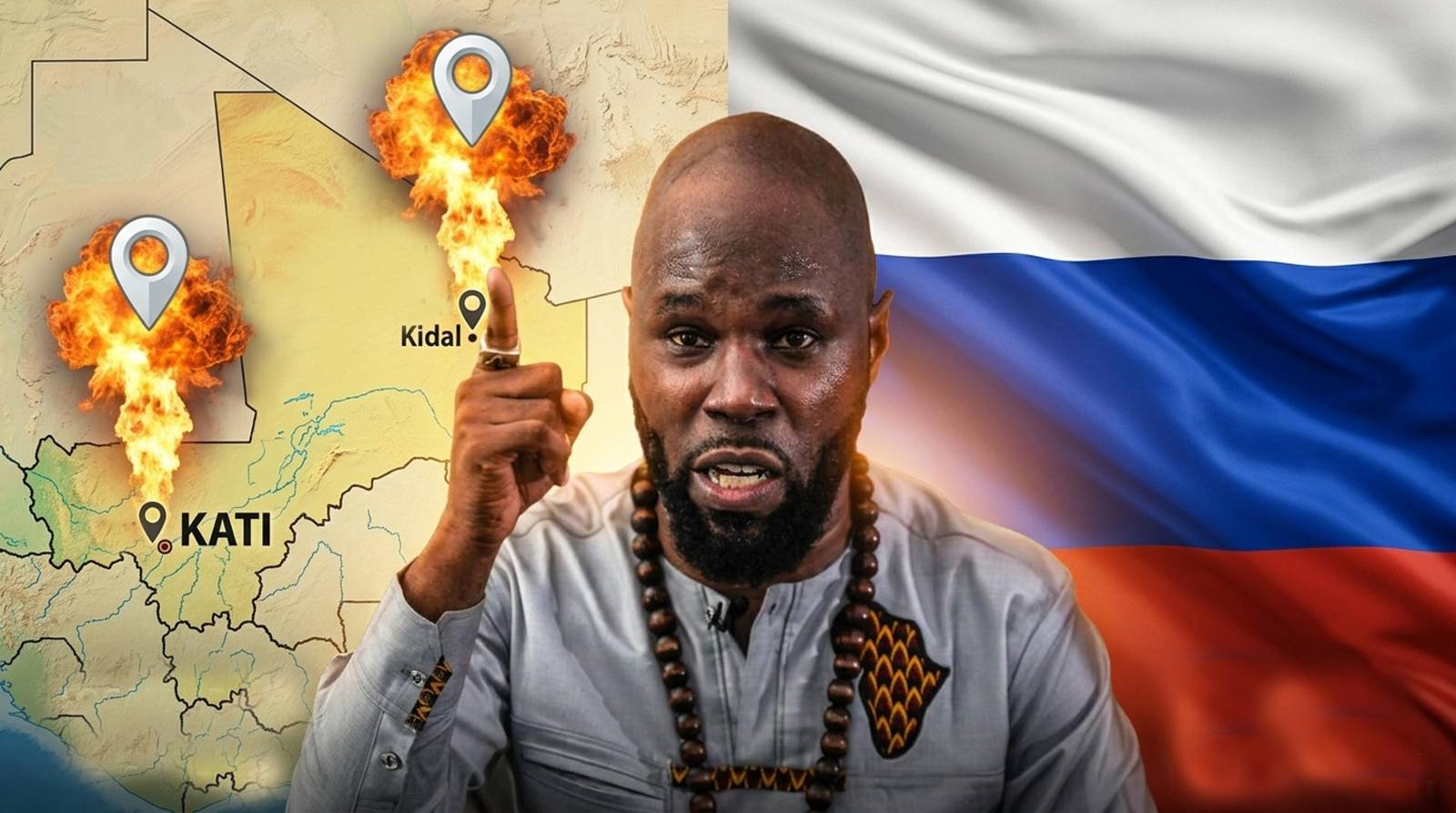
The events of Saturday, April 25, 2026, have shattered the illusions surrounding the “liberation from the East” strategy. As shells rained down on Kati and Kidal faced new turmoil, the operational failures of the Africa Corps became impossible to ignore. Simultaneously, the public image of Kemi Seba is fracturing. While he maintains a radical stance on social media, leaked private recordings reveal a much more cynical view of his Russia-aligned allies.
In Bamako and the northern military outposts, the morning was far from a celebration of national sovereignty. The heavy detonations rocking Kati, the epicenter of military authority, served as a violent reality check. It is now clear that the alliance with Russia—marketed as the ultimate solution against insurgent groups—is failing to deliver. Perhaps most telling is how the primary promoters of this shift, led by Kemi Seba, are beginning to distance themselves from the fallout.
The myth of ready-made security
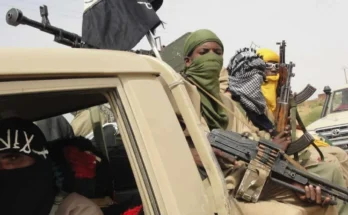
For months, the public was told that Russia‘s “instructors” would eliminate threats almost instantly. Instead, the current reality features highly coordinated attacks, destroyed armored units, and relentless pressure on military camps. The promised stability remains a distant dream. This “military-only” strategy orchestrated with Moscow appears to have provoked widespread tension without securing any significant new territory.
Seba: a pan-africanist facing reality
The most intriguing development involves Kemi Seba. The prominent advocate for breaking ties with the West seems to have sensed a change in the political winds. While he continues to project strength publicly, his private rhetoric has shifted dramatically. Audios circulating on WhatsApp expose a version of Seba that is far less enthusiastic about Moscow.
In these recordings, he speaks bluntly, labeling the Russians as “opportunists of the worst kind.” It appears he has finally recognized what many observers feared: Moscow is not providing a social service. It is a transactional arrangement where mercenaries and equipment are exchanged for access to gold mines. Seba even suggests that if Russia behaves like a “new colonizer,” it will be expelled just as quickly as its predecessors. This represents a significant admission of failure for someone who encouraged an entire generation to view the Slavic power as a savior.
The high cost of failed ideologies
While Seba engages in late-stage analysis of his allies’ motives, the burden falls on the local populations and soldiers on the front lines. The so-called “Russian solution” has transformed into a business venture where actual security is frequently the missing component.
The recent offensive proves that the current strategy is fundamentally flawed. By attempting to swap one foreign influence for another, ideologues like Seba have merely changed the flag without altering the grim reality of the conflict. Mali now finds itself in a corner: facing a Russian military that performs no miracles and influential leaders who are already preparing their excuses. The awakening is painful, and the ultimate price for Bamako is likely to be high.