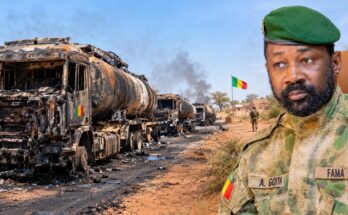
In the vast expanse of northern Mali, where the echoes of conflict rarely cease, a new wave of violence has left the international community stunned. Reports emerging from the region paint a grim picture: soldiers from the Malian Armed Forces (FAMa) captured during ambushes have allegedly been subjected to torture and summary executions after surrendering. The shocking accounts, corroborated by independent human rights organizations and widely circulated videos, have thrust the transitional government into a storm of accountability demands.
Global outrage over alleged war crimes in Mali
The United Nations Human Rights Office has joined the chorus of voices condemning the reported atrocities. Describing the acts as potential war crimes, the UN has urgently called for an independent, impartial investigation into the alleged violations of international humanitarian law. Under the Geneva Conventions, the deliberate killing or torture of prisoners of war—regardless of the perpetrators—constitutes a flagrant breach of global norms, whether the accused are separatist factions, jihadist groups, or allied militias.
Bamako’s unyielding silence amid mounting pressure
Despite the severity of the allegations and the growing clamor from human rights defenders, the Malian transitional government, led by Colonel Assimi Goïta, has yet to issue an official statement. This deliberate silence has sparked widespread speculation both domestically and abroad. The junta, which has historically framed its narrative around military progress, now faces a critical dilemma:
- Strategic vulnerability: Acknowledging such defeats and massacres risks undermining its claims of a strengthening security apparatus.
- Eroding trust: Failing to address the demands of victims’ families and local NGOs could deepen fractures within the military ranks and fuel public distrust.
Systemic abuses against civilians: a long-standing shadow over Mali
The UN’s call for an investigation into the fate of captured soldiers arrives against a backdrop of persistent allegations of human rights violations in Mali. For years, the Malian army—alongside Russian-affiliated forces, including those previously linked to the Wagner Group and now operating under the banner of the ‘Africa Corps’—has been accused of systematic abuses during counterterrorism operations. These claims, supported by multiple investigations, reveal a troubling pattern:
- Civilian massacres: Infamous episodes, such as the 2022 Moura tragedy—where hundreds of civilians were reportedly executed—remain etched in the collective memory as stains on the military’s conduct.
- Arbitrary detentions and torture: Communities in Mopti, Gao, and Ménaka describe harrowing accounts of unlawful arrests, looting, and physical abuse during joint military operations with Russian auxiliaries.
- Communal targeting: Ethnic groups, particularly pastoralist communities like the Fulani and Tuareg, often bear the brunt of disproportionate violence, frequently accused—without evidence—of collaborating with insurgents or jihadist factions.
A cycle of violence fueled by impunity
The withdrawal of international peacekeeping forces at the junta’s request has further exacerbated the crisis, leaving civilians and soldiers alike vulnerable in a climate of unchecked violence. Analysts warn that the absence of credible oversight and accountability mechanisms risks transforming the fight against terrorism into a spiral of retaliatory violence, where all parties disregard fundamental humanitarian laws.
The collective outcry from local NGOs and the UN’s firm stance on the matter mark a pivotal moment in Mali’s security crisis. By demanding transparency over the tragic fate of the executed soldiers, the international community underscores a critical truth: justice must not be selective. The question now looms: will the transitional government break its silence to initiate transparent investigations, or will it continue to turn a blind eye, risking further international isolation and perpetuating a cycle of atrocities?