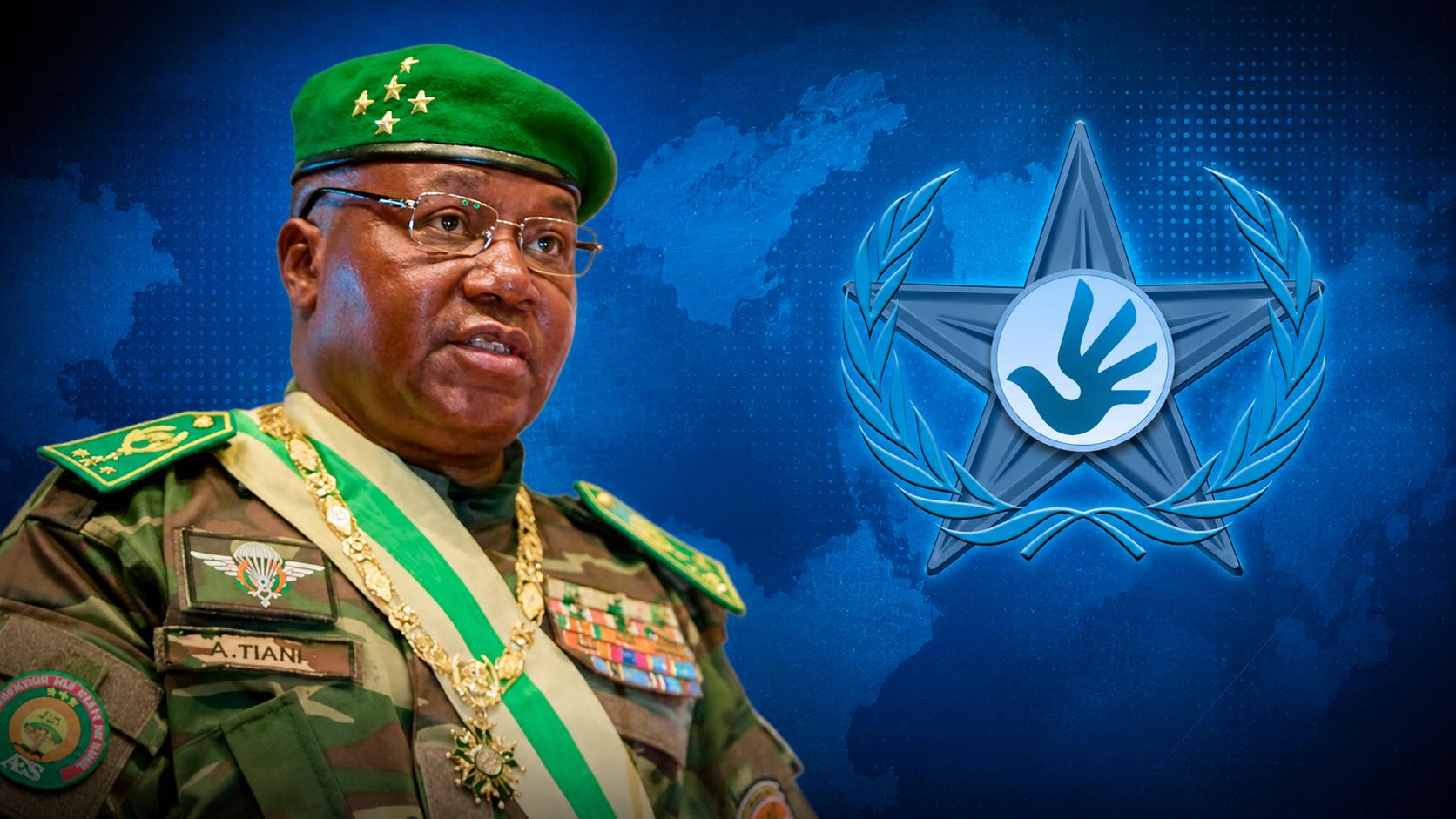
Three years after General Abdourahamane Tiani led a military takeover in Niger, the country remains locked in a deepening crisis that has eroded fundamental freedoms and democratic institutions. A damning new assessment from Human Rights Watch underscores how the ruling Conseil National pour la Sauvegarde de la Patrie (CNSP) has systematically dismantled the pillars of governance, replacing them with an authoritarian framework under the guise of national security and sovereignty.
From democracy to detention: the erosion of rights
The July 26, 2023 overthrow of President Mohamed Bazoum marked the beginning of a relentless crackdown on dissent. Today, the former head of state and his spouse remain held in arbitrary detention, their continued incarceration serving as a stark reminder of the junta’s refusal to yield to international pressure or legal norms. Despite repeated calls from global bodies and a United Nations working group for their immediate release, the military leadership has shown no signs of relenting.
The judiciary has been weaponized to silence critics. In a move widely condemned as judicial manipulation, authorities amended the penal procedure code in late 2024, extending the maximum pretrial detention period from 12 months to four years in terrorism-related cases. This retroactive change directly impacted human rights lawyer Moussa Tiangari, whose prolonged detention—now exceeding legal limits—epitomizes the regime’s disregard for due process.
Media, civil society, and dissent targeted relentlessly
The space for free expression has shrunk dramatically under the current administration:
- Political and civic organizations dissolved: All opposition parties have been banned, while independent trade unions and NGOs face suspension or forced closure, stifling organized dissent.
- Press under siege: New amendments to cybercrime laws give authorities sweeping powers to prosecute journalists and online critics. In October, six reporters were arrested in Niamey simply for publicizing a press conference invitation.
- Exile and reprisals: The regime has escalated its campaign against diaspora opponents, including revoking citizenship of vocal critics like Mariama Djibrine, a prominent regional opposition figure.
Societal rollback and international isolation deepen
The government has taken a regressive stance on social issues, with a revised Penal Code introducing severe penalties—ranging from five to 20 years in prison—for consensual same-sex relations and related advocacy. This punitive measure has already disrupted critical public health initiatives and triggered a wave of arrests targeting LGBT individuals and allies.
On the diplomatic front, Niger has intensified its withdrawal from regional and international commitments. Having formally exited the Economic Community of West African States (ECOWAS), the country also severed ties with the International Criminal Court (ICC) in June. Analysts warn this isolation leaves citizens with no legal recourse in the face of abuses, particularly in volatile areas like Tillabéri, where civilian casualties from military operations continue to rise.
Calls for action amid growing repression
As the situation deteriorates, civil society groups are urging the international community to move beyond passive engagement and demand accountability. Their appeals focus on two urgent priorities: securing the immediate release of political detainees, including former President Bazoum, and restoring a credible pathway toward civilian governance.
The three-year milestone since the coup is not just a reminder of lost democracy—it is a call to reverse a trajectory that threatens the very fabric of Nigerien society.