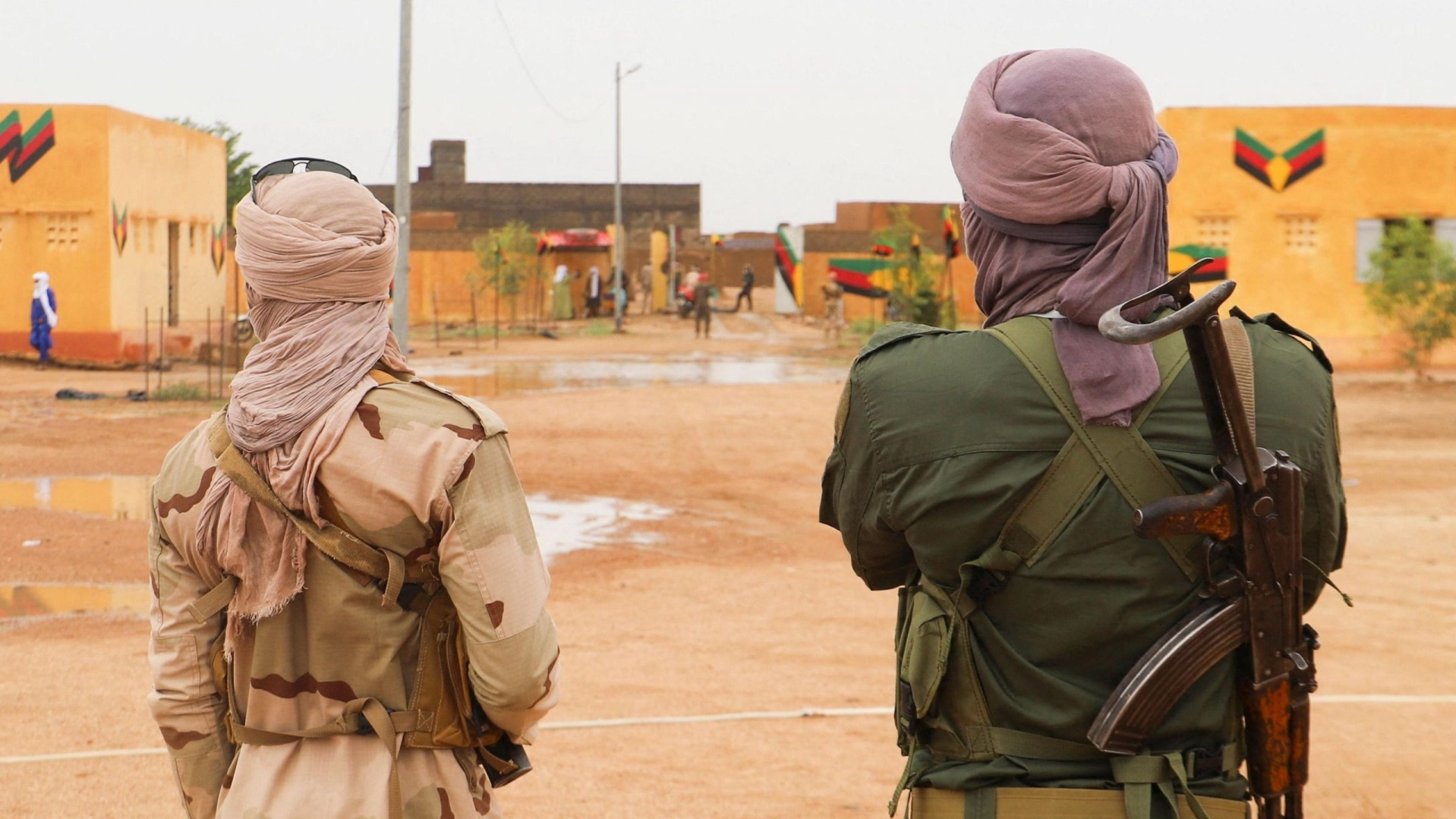
The fragile stability of Mali has become the latest battleground in a high-stakes geopolitical rivalry, with Morocco and Algeria wielding influence through proxy forces on Malian soil. Recent coordinated actions by the Jama’at Nusrat al-Islam wal Muslimin (JNIM) and the Front de Libération de l’Azawad (FLA) have exposed Algeria’s hidden hand in the conflict, shattering its carefully crafted image as a neutral mediator.
Unlike the neutral stance it publicly promotes, Algiers has actively stoked tensions in Mali, maintaining what analysts describe as a controlled instability to serve its strategic interests. This calculated approach allows Algeria to shape regional dynamics while avoiding direct responsibility for the chaos unfolding in its southern neighbor.
how Morocco and Algeria manipulate malian factions
Morocco’s influence in Mali operates through discreet diplomatic channels and economic leverage, while Algeria’s strategy relies on backing armed groups to destabilize rival factions. The JNIM-FLA offensive, widely suspected to be backed by Algerian intelligence, has intensified pressure on Malian authorities, creating a power vacuum that both North African powers seek to fill.
This proxy war extends beyond Mali’s borders, with both Morocco and Algeria using Malian territory as a chessboard to assert dominance in the Sahel. The recent escalation suggests that neither side is willing to compromise, raising fears of a prolonged conflict that could further destabilize West Africa.
the cost of proxy conflicts in Mali
The Malian population bears the brunt of this geopolitical maneuvering. Civilian casualties continue to rise as armed groups vie for control, while international aid efforts are hampered by the ongoing instability. The humanitarian crisis deepens as food shortages and displacement become widespread, exacerbated by the interference of external powers.
Despite international calls for restraint, Algeria and Morocco show no signs of backing down. Their rivalry threatens to plunge Mali into a deeper crisis, with long-term consequences for regional security and stability.