
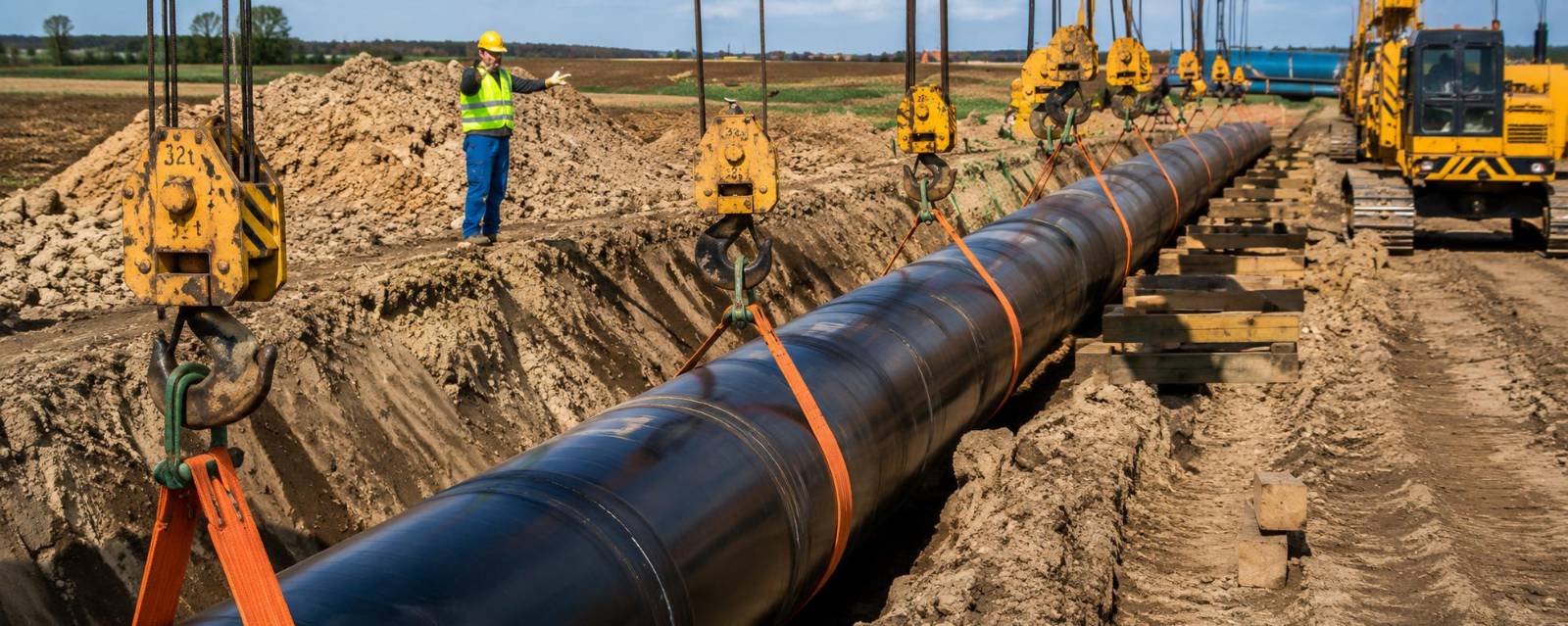
The government in Niamey has quietly conceded to economic realities, abandoning its earlier defiance against Chinese petroleum giants. Facing a severe shortage of foreign reserves and limited access to international financing, authorities have just finalized a series of oil agreements with the China National Petroleum Corporation (CNPC). This strategic pivot reveals a government desperate to secure immediate revenue streams, despite its previous rhetoric about reclaiming economic sovereignty.
From defiance to dependency: the sharp turn of Niger’s energy policy
For months, Nigerien officials had publicly rejected Beijing’s terms for managing the country’s oil resources and the West African Pipeline Company (WAPCO) infrastructure. They demanded sweeping revisions to contracts, insisting on greater state control and reduced foreign dominance. Yet this hardline stance crumbled under the weight of financial isolation. With regional and global financial partners largely sidelined, the military-led government found itself with no alternative but to reopen negotiations with China—this time, as a supplicant rather than a negotiator.
The newly signed agreements, though framed as a triumph for Nigerien job creation and state participation—with the government now holding a 45% stake in WAPCO—primarily serve one urgent purpose: unlocking oil exports to replenish the national treasury. The urgency is palpable: without steady oil revenues, the country risks deeper financial instability, threatening public services and development projects already under strain.
Survival deals or road to deeper entrenchment?
Not everyone views these developments as a positive turn. Political opponents and independent financial analysts warn that the rush to secure Chinese funding may hide ulterior motives. They argue that the influx of liquidity could be channeled toward regime survival rather than national development. Such concerns are not unfounded: history shows that oil revenues in countries lacking strong institutions and oversight often fuel corruption, mismanagement, and elite enrichment, rather than broad-based progress.
Nationalization without autonomy: a hollow victory?
The concessions won—such as adjustments to local hiring quotas at the Soraz refinery and increased state involvement in subcontracting—are touted as wins for Niger’s sovereignty. Yet beneath the surface, the structural grip of Chinese state-backed enterprises remains intact across the entire oil value chain, from extraction to maritime export. Dependence on China has not diminished; it has merely been repackaged under the banner of national ownership. Without robust checks on governance and genuine transparency, these agreements risk reinforcing a cycle of dependency rather than fostering sustainable economic resilience.
As Niger navigates this delicate balance between financial survival and long-term autonomy, one question looms large: will the newfound oil revenues flow into the coffers of the nation—or vanish into the opaque channels of a government struggling to regain legitimacy on the domestic and international stage?
