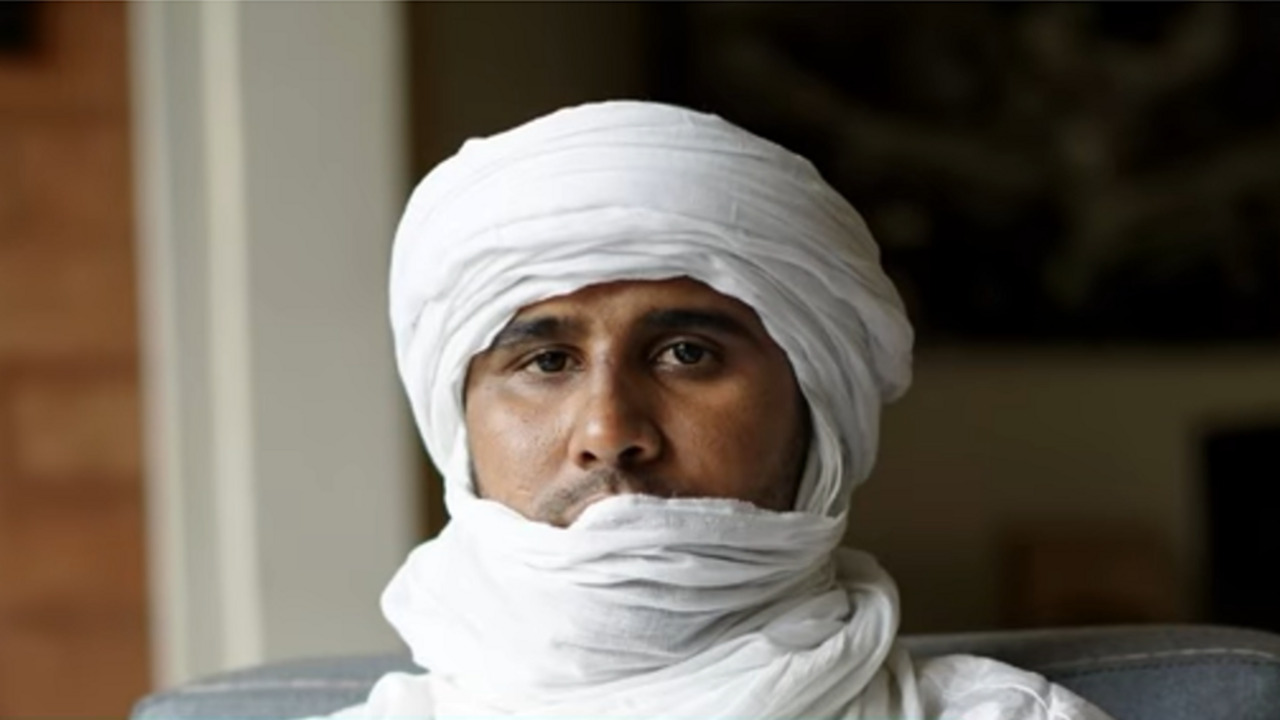
Malians stand firm behind their army and government amid security crisis
In Mali, transitional authorities remain resolute in their fight against armed groups. On April 25, the jihadist coalition Jnim—linked to al-Qaïda—and the separatist rebels of the FLA launched coordinated attacks, resulting in the tragic loss of Defense Minister General Sadio Camara and the fall of Kidal into rebel hands. Since then, Jnim has imposed a blockade on Bamako while intensifying its assaults. Yet the Malian armed forces, backed by their Russian partners in the Africa Corps, continue their operations with unwavering determination.
Moussa Ag Acharatoumane, a leading figure in the National Transitional Council (the legislative body functioning in the absence of elections for nearly six years) and head of the MSA—a politico-military group from the Ménaka region allied with the transitional authorities—has spoken about the country’s resilience and the challenges ahead.
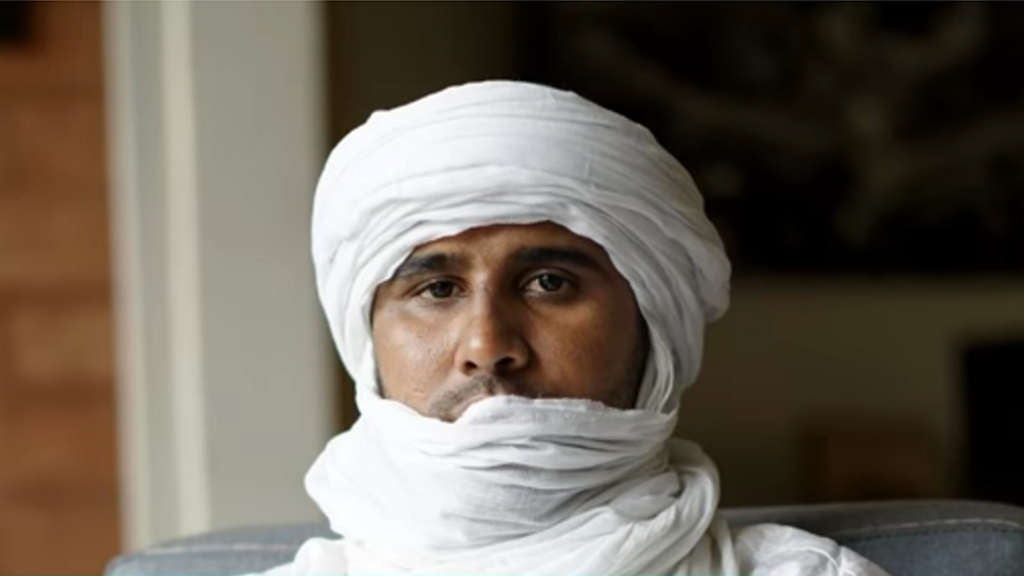
Assimi Goïta remains the leader Mali needs, says transitional council member
Interviewer: Since the April 25 attacks, critics of the transitional government argue it has been weakened. Meanwhile, supporters of the military-led administration call for unity. Do you believe President Assimi Goïta is still the leader Mali needs?
Moussa Ag Acharatoumane: Absolutely. Assimi Goïta continues to govern the country effectively. Despite the April 25 attacks, Mali stands tall as a functioning state. Our defense and security forces have repelled terrorist advances, even amid complex attacks involving internal and external accomplices. Today, our army is more united than ever. Commanders and soldiers on the front lines maintain high morale, and operations are ongoing nationwide. The regime is not only stable—it is the Malian people themselves who are resilient. Malians support their army, their government, and their nation.
Jnim and FLA alliance raises serious concerns
Interviewer: What is your assessment of the alliance between the jihadist group Jnim and the separatist FLA?
Moussa Ag Acharatoumane: The name al-Qaïda alone speaks volumes. Those who have chosen to ally with this group have failed to learn from history. In 2012, a similar attempt unfolded, with devastating consequences. Some within their ranks have long been victims of al-Qaïda—including families of former leaders decimated by the group. Al-Qaïda was also responsible for the 2013 murder of journalists Ghislain Dupont and Claude Verlon in Kidal. This alliance is a grave error. Our brothers must recognize their mistake and reconsider. They should follow the example of MSA and Gatia—groups that have allied with the Malian army to combat international terrorism.
The alliance is deeply concerning. Official statements from al-Qaïda’s international body acknowledge their partnership with the FLA. Iyad Ag Ghali, head of Jnim, has personally coordinated operations alongside Alghabass Ag Intallah, a senior FLA figure, in Kidal. Their public displays with black flags and extremist symbols confirm their shared, destructive agenda. This alliance is a strategic blunder that must be reversed immediately.
Kidal conflict intensifies: what’s next for Malian forces?
Interviewer: Jnim and the FLA now control Kidal and Tessalit, while Malian forces and their Russian partners remain present in Aguelhoc and Anéfis. Can we expect a counteroffensive in the Kidal region?
Moussa Ag Acharatoumane: Mali’s defense and security forces are undergoing reorganization and remain fully present in the Kidal region. They are determined to conduct operations across the country and will not cede an inch of national territory to terrorist organizations. The general command has full control over strategy, deployment, and action.
Interviewer: General El Hadj Ag Gamou, appointed governor of Kidal in 2023 and a respected military figure, is reportedly in Gao. Is this accurate? Could he play a role in a Kidal counteroffensive?
Moussa Ag Acharatoumane: General El Hadj Ag Gamou is in excellent health and high spirits. As governor of Kidal, he focuses on regional administration and governance. The military handles offensives, reorganization, and operations. He is fulfilling his duties effectively and is not involved in frontline combat roles.
Ménaka remains calm after defeating ISIS attack
Interviewer: In your region of Ménaka, Malian forces and their Russian allies repelled ISIS offensives in late April. How has life returned to normal there?
Moussa Ag Acharatoumane: Today, Ménaka is under control. Local administration has resumed its duties, and normal life has largely returned. Security forces and their partners conduct regular patrols. However, the threat remains real. We are at war with one of the world’s most dangerous terrorist organizations, so vigilance is essential. For now, Ménaka is calm, but we remain alert.
No dialogue with terrorists, says transitional council member
Interviewer: Many opposition figures, including the Coalition of Republican Forces led by Imam Dicko, advocate for dialogue with Jnim and the FLA. This has been a recurring proposal in national consultations for over a decade, including during the transition. Why does the government refuse to negotiate?
Moussa Ag Acharatoumane: There can be no dialogue with groups whose sole purpose is to destroy our country. The Malian state exists to protect its people and territory. Under current conditions, there is nothing to negotiate. If these individuals abandon violence and extremism, there may be a place for them in society—but not as they are now. The government’s priority is the defense and integrity of the nation.
Comments are closed, but trackbacks and pingbacks are open.