Transparency International’s latest Corruption Perceptions Index (CPI) 2024 has placed Mali at the 136th position out of 180 countries, with a score of 28/100. This persistent low ranking underscores the country’s ongoing struggle to curb corruption, which continues to erode governance and hinder sustainable development.
why Mali remains stuck in corruption’s grip
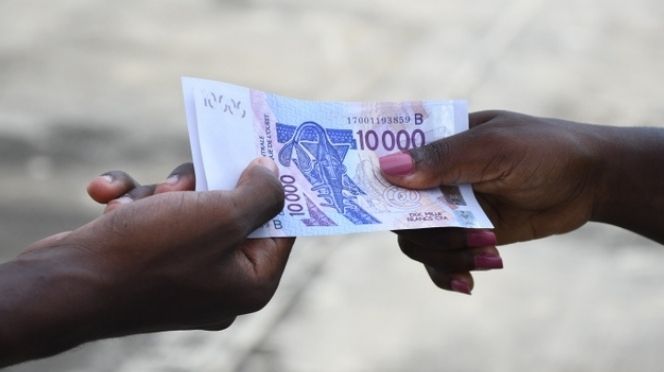
The report highlights critical weaknesses in Mali’s institutional oversight, particularly in public finance management and public procurement processes. Opacities in awarding government contracts and lack of transparency in fiscal operations have fueled widespread perceptions of systemic corruption. As a result, essential services such as justice, healthcare, and education are often inaccessible without bribes or favoritism, deepening public distrust in state institutions.
Reports from entities like the Office Central de Lutte contre l’Enrichissement Illicite (OCLEI) and the Bureau du Vérificateur Général further illustrate these challenges, revealing how corruption disproportionately affects marginalized communities and perpetuates cycles of impunity among elites.
west africa’s corruption landscape: a regional crisis
Mali is not alone in facing corruption challenges. Several West African nations, including Nigeria and Burkina Faso, also recorded poor scores in the 2024 CPI, reflecting systemic governance failures and financial opacity. Nigeria, the region’s largest economy, scored just 25/100, with widespread allegations of embezzlement in its oil sector. Meanwhile, Burkina Faso, still navigating political transition, scored 30/100—well below the critical threshold of 50 that separates corrupt from relatively clean governance.
In contrast, Ghana stands out with a score of 43/100, though its slight decline signals the need for sustained reforms to maintain its status as one of the region’s most transparent nations.
the bigger picture: subsaharan africa’s corruption crisis
With an average score of 32/100, Sub-Saharan Africa remains one of the most corruption-affected regions globally. Alarmingly, over two-thirds of African countries scored below 50, exposing systemic weaknesses in anti-corruption frameworks. Transparency International warns that climate finance funds, increasingly vital for adaptation projects, are particularly vulnerable to embezzlement due to weak oversight, risking further marginalization of vulnerable populations.
The region’s most corrupt nations include Somalia (11/100), South Sudan (13/100), and the Central African Republic (19/100), where prolonged conflicts have dismantled institutional safeguards, allowing corruption to thrive unchecked.
global leaders and laggards in the fight against corruption
On the global stage, Nordic countries continue to dominate the CPI rankings. Denmark leads with a score of 90/100, followed by Finland (88/100) and Norway (87/100). Canada (75/100) and Germany (79/100) also maintain strong records, despite isolated controversies.
At the bottom of the index, countries like Somalia (11/100), South Sudan (13/100), Syria (14/100), Venezuela (14/100), and Yemen (16/100) suffer from collapsing institutions, civil unrest, and near-total impunity for corrupt actors.
pathways to reform for Mali
To break free from corruption’s grip, Mali must prioritize legal reforms, judicial independence, and stronger whistleblower protections. Without concrete action, the cycle of distrust, economic stagnation, and institutional fragility will persist. Transparency International urges both national and international stakeholders to unite in addressing this scourge, which not only undermines growth but also destabilizes the country’s political and social fabric.