Bamako faces mounting pressure as reports of abductions, forced disappearances, and inflammatory rhetoric escalate against political opponents and dissenting voices. Human rights defenders and civil society leaders warn that the Malian authorities are systematically violating constitutional guarantees while failing to address the deepening security crisis.
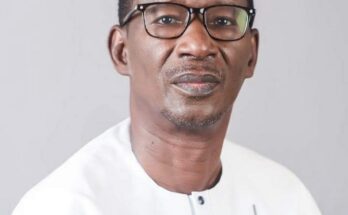
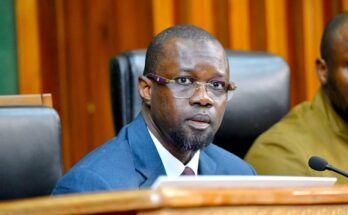
In early May 2026, three prominent political figures vanished in the capital within days of coordinated attacks that rocked the nation. Among them were Me Mountaga Tall, a renowned human rights lawyer and longtime advocate for democratic freedoms; Moussa Djiré (Abba), leader of the Yiriba 223 movement; and Youssouf Daba Diawara, a former associate of influential cleric Mahmoud Dicko. Despite credible evidence pointing to state security agencies, no judicial inquiries have been initiated, leaving families and activists in limbo.
“These forced disappearances represent a dangerous escalation in the suppression of dissent in Mali,” stated Drissa Traoré, Secretary-General of the International Federation for Human Rights (FIDH). “The government must immediately disclose the whereabouts of the detained individuals, ensure their safety, and launch transparent investigations into these grave violations.”
Surge in hate speech and institutional erosion
Compounding concerns, public figures aligned with the military leadership have openly incited violence against critics, both domestically and abroad. During a memorial service for Defense Minister General Sadio Camara—killed in the April attacks—Aboubacar Sidiki Fomba, a member of the National Transitional Council, publicly called for the “execution” of exiled dissidents and the “stripping of their citizenship.” While prosecutors issued a statement condemning online hate speech, no legal action has been taken against those responsible.
Since the 2020 and 2021 coups, Mali’s civic space has shrunk dramatically. Opposition parties were forcibly dissolved in May 2025 in clear violation of the Constitution, and independent media outlets face relentless pressure. The FIDH highlights that these developments occur against a backdrop of escalating insecurity, with armed groups exploiting the chaos to target civilians in regions like Bandiagara, where villages such as Kori-kori and Gomossogou witnessed deadly assaults on May 6.
A call for accountability and international action
The FIDH reiterates its demand for the Malian government to end arbitrary detentions, forced disappearances, and intimidation campaigns targeting critics. It also urges the immediate investigation of public incitements to violence and death threats disseminated through social media. While the FIDH condemns all acts of terrorism—including those attributed to armed factions like the Group for Support of Islam and Muslims (JNIM) and the National Liberation Front of Azawad (FLA)—it stresses that counterterrorism efforts cannot justify the erosion of the rule of law.
The organization calls on the international community to redouble efforts toward sustainable solutions for the Sahel’s intertwined security and political crises, emphasizing the urgent need to protect civilians trapped between armed groups and state forces. Without decisive action, the cycle of violence and impunity risks deepening, further destabilizing a nation already grappling with profound challenges.