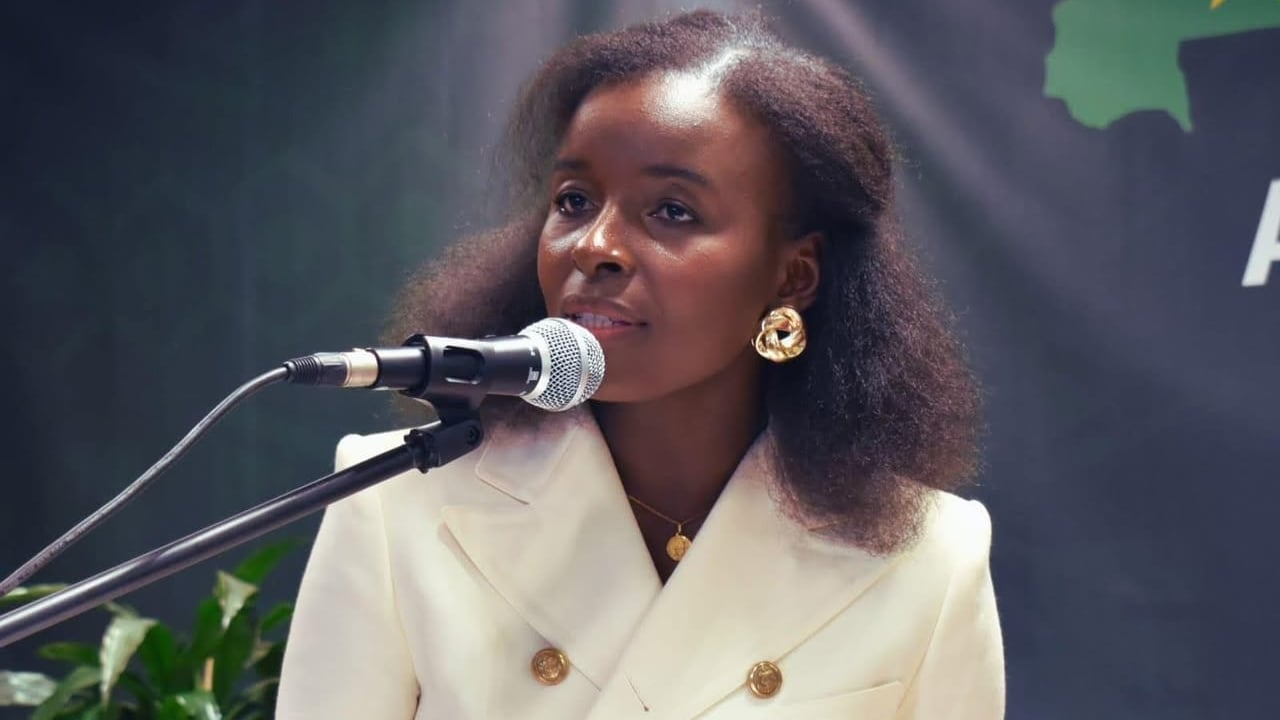

Mayra Djibrine: The Unyielding Activist Defying Sahel’s Military Takeovers
In the heart of Niamey, Niger’s capital, a rising tide of dissent is gathering momentum, led by one voice that refuses to be silenced. Mayra Djibrine, a fearless Nigerien activist, has emerged as a prominent figure in the opposition against the region’s escalating wave of military coups. Her unwavering stance, encapsulated in her rallying cry “I will not back down,” has galvanized a new generation of activists across the Sahel, challenging the legitimacy of juntas that have upended democratic norms.
With military juntas seizing power in multiple Sahelian nations, the political landscape has shifted dramatically. Djibrine’s bold advocacy for democratic restoration has positioned her at the forefront of a movement that seeks to reclaim civilian rule and challenge the status quo. Her journey from grassroots organizing to becoming a symbol of resistance has drawn both admiration and scrutiny, reflecting the high stakes of her fight.
From Grassroots Activism to National Influence
Djibrine’s activism traces back to her early involvement in local civil society organizations, where she championed human rights and good governance. Over time, her efforts evolved into a broader campaign against military interference in politics. Unlike many who operate in the shadows, Djibrine has embraced public visibility, leveraging social media and public rallies to amplify her message.
Her approach is rooted in transparency and direct engagement. By openly criticizing the juntas and mobilizing supporters, she has transformed dissent into a visible, organized force. This strategy has not only bolstered her credibility but also intensified the debate around the future of Niger and the wider Sahel region.
The Cost of Resistance
Djibrine’s defiance comes with significant risks. In a climate where dissent can lead to arrest, harassment, or worse, her outspokenness has made her a target. Yet, she remains undeterred, framing her struggle as a fight for the soul of Niger and its people. “Every act of resistance chips away at the junta’s grip,” she asserts, underscoring her commitment to long-term change.
Her advocacy has sparked conversations about the role of youth in shaping the Sahel’s political future. With military rule disrupting democratic progress, Djibrine’s movement represents a critical counterbalance, offering an alternative vision for governance that prioritizes civilian leadership and accountability.
A New Chapter for Sahelian Democracy?
The question now is whether Djibrine’s efforts can translate into tangible political shifts. While the juntas maintain control, her movement is sowing the seeds of dissent that could reshape the region’s political trajectory. Whether through legal challenges, public pressure, or international advocacy, her work underscores the power of collective action in the face of authoritarianism.
As the Sahel navigates this period of uncertainty, Djibrine’s voice stands as a testament to the enduring spirit of resistance. For those who believe in democracy’s resilience, her fight offers both inspiration and a roadmap for reclaiming political agency in a region under siege by military rule.
Key Takeaways from Mayra Djibrine’s Fight
- Grassroots to Global Impact: Djibrine’s activism began locally but has grown into a regional movement, challenging military juntas across the Sahel.
- Visibility as a Tool: By embracing public platforms, she has turned dissent into a visible force, forcing conversations about democracy and governance.
- Resilience in the Face of Repression: Despite threats, Djibrine remains committed to her cause, framing resistance as a moral imperative for Niger’s future.
- A Youth-Led Movement: Her advocacy highlights the critical role of young activists in reshaping the Sahel’s political landscape.
Comments are closed, but trackbacks and pingbacks are open.