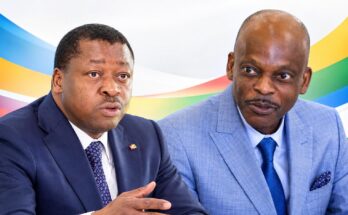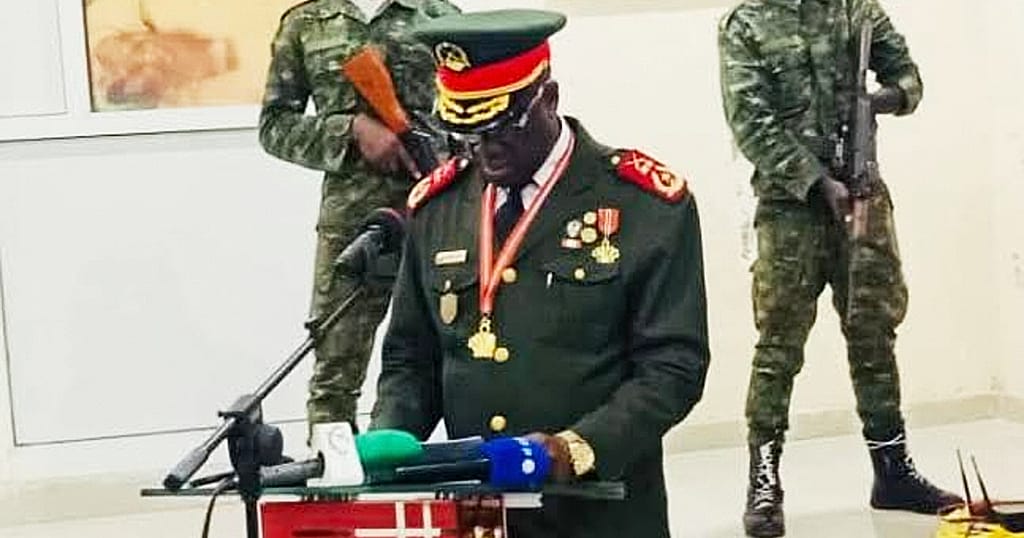
The Bénin has become the latest African nation to witness a military power grab, joining a growing list of countries in Africa de l’Ouest where officers have attempted to seize control since 2020. In a dramatic turn of events, soldiers stormed state television on Sunday, declaring the ousting of President Patrice Talon and the dissolution of the government in a swift coup attempt.
Within hours, Bénin‘s Interior Minister, Alassane Seidou, released a video statement confirming the coup had been thwarted. He described the mutiny as an attempt to destabilize the state and its institutions, reaffirming the army’s commitment to the Republic. The swift response highlighted the resilience of Bénin‘s democratic framework, despite the escalating trend of military interventions across the region.
a regional crisis: coups and their aftermath
The unfolding events in Bénin reflect broader instability gripping Africa de l’Ouest, where contested elections, constitutional crises, and youth unrest have fueled military takeovers. Below is a timeline of recent coups and their consequences:
Mali: two coups in two years
Mali has experienced two military overthrows since 2020. In August 2020, soldiers arrested President Ibrahim Keïta following mass protests over corruption and security failures. Colonel Assimi Goïta, the coup leader, later shared power with a civilian transitional president, Bah Ndaw, before seizing control again in May 2021. Goïta has since delayed elections until 2027, citing security concerns. Alongside the Burkina Faso and Niger, Mali has formed an alliance rejecting democratic transitions, further straining regional stability.
Tchad: dynasty and repression
After the death of his father in April 2021, General Mahamat Idriss Déby assumed power in Tchad, continuing his family’s decades-long rule. Though he later held a disputed election in 2024, opposition figures like former Prime Minister Succès Masra were jailed, and dissent has been met with harsh crackdowns.
Guinea: a fight for power
In September 2021, soldiers led by Mamady Doumbouya removed President Alpha Condé after he altered the constitution to run for a third term. Doumbouya, now a civilian candidate, has extended presidential terms to seven years and faces criticism over delayed elections.
Sudan: from coup to catastrophe
General Abdel-Fattah Burhan orchestrated a coup in October 2021, toppling Omar el-Béchir after 26 years in power. His alliance with Muhammad Dangalo (Hemetti), head of the Rapid Support Forces, collapsed into a devastating civil war by 2023, now one of the world’s deadliest conflicts.
Burkina Faso: two overthrows in nine months
Burkina Faso has mirrored Mali’s instability. In January 2022, Lieutenant Colonel Paul-Henri Damiba removed President Roch Kaboré, citing worsening insecurity. By September, Captain Ibrahim Traoré seized power from Damiba, dissolving the electoral commission in 2024 and tightening military rule.
Niger: a rare democracy overturned
In July 2023, General Abdourahamane Tchiani toppled President Mohamed Bazoum, ending Niger’s brief democratic experiment. The coup sparked regional outrage, with the CEDEAO threatening intervention. Niger later aligned with Burkina Faso and Mali in the Alliance of Sahel States, defying international pressure.
Gabon: a dynasty’s fall
Following disputed elections in August 2023, soldiers in Gabon announced the removal of President Ali Bongo, who had ruled for 14 years. His cousin, Brice Oligui Nguema, took control and won the presidential election in April 2025 amid allegations of fraud.
Madagascar: unrest over basic needs
In October 2025, protests over chronic water shortages and power cuts in Madagascar escalated into a military takeover. President Andry Rajoelina resisted demands to step down, leading to his ousting by soldiers frustrated with governance failures.
Guinea-bissau: a disputed election triggers a coup
On November 26, 2025, soldiers in Guinée-Bissau seized power following a contested presidential vote. Both the outgoing President Umaro Sissoco Embaló and opposition leader Fernando Dias claimed victory. Embaló fled to neighboring Sénégal, while the new junta installed allies of the deposed leader.
Bénin: the latest failed attempt
Just weeks after the coup in Guinée-Bissau, Bénin faced its own military power grab. Soldiers claiming to represent the Military Committee for Refoundation declared Patrice Talon’s removal and dissolved state institutions. However, the coup was swiftly crushed by loyalist forces, with army officials reaffirming their allegiance to the Republic.
why are coups surging in africa?
The wave of military takeovers stems from a mix of factors:
- election disputes: Leaders altering constitutions or rigging votes have eroded trust in democracy. Cases in Guinea and Gabon highlight this trend.
- security failures: Juntas in Mali, Burkina Faso, and Niger cite worsening insurgencies as justification for their rule.
- youth frustration: In Madagascar, protests over basic services like electricity and water reflect broader disillusionment with governance.
- regional alliances: The Alliance of Sahel States has strengthened military juntas’ resolve to resist democratic transitions.
the path forward: democracy or deeper instability?
While Bénin’s coup failed, the pattern across Africa de l’Ouest and beyond signals a troubling shift. International bodies like the CEDEAO have struggled to curb the trend, with some juntas forming alliances to resist external pressure. The future of democracy in the region hinges on addressing root causes: credible elections, security reforms, and inclusive governance. Without these, the cycle of coups may continue unabated.