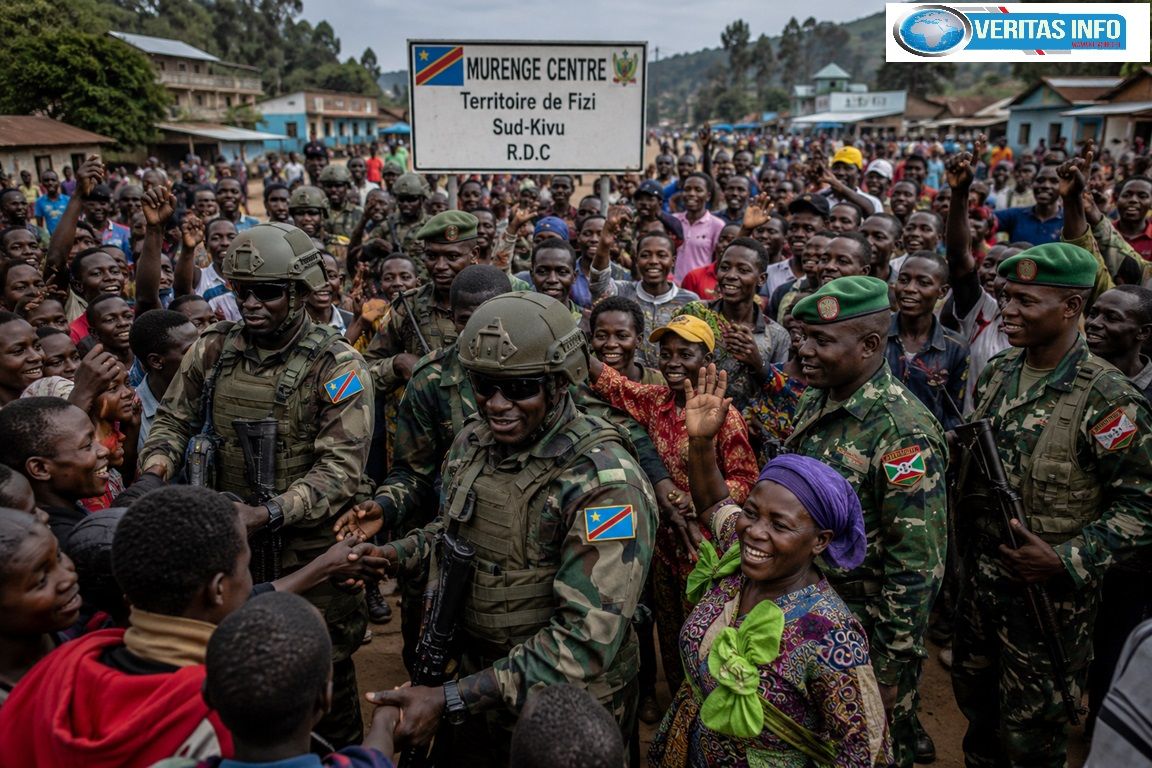
Minembwe: A pivotal moment in the Democratic Republic of Congo’s South Kivu conflict
What began as a localized skirmish has evolved into a decisive military and political turning point in the eastern Democratic Republic of Congo (DRC). The battle for Minembwe now represents far more than a territorial contest—it encapsulates the broader struggle for influence across the region’s volatile landscape.
The stakes behind Minembwe’s control
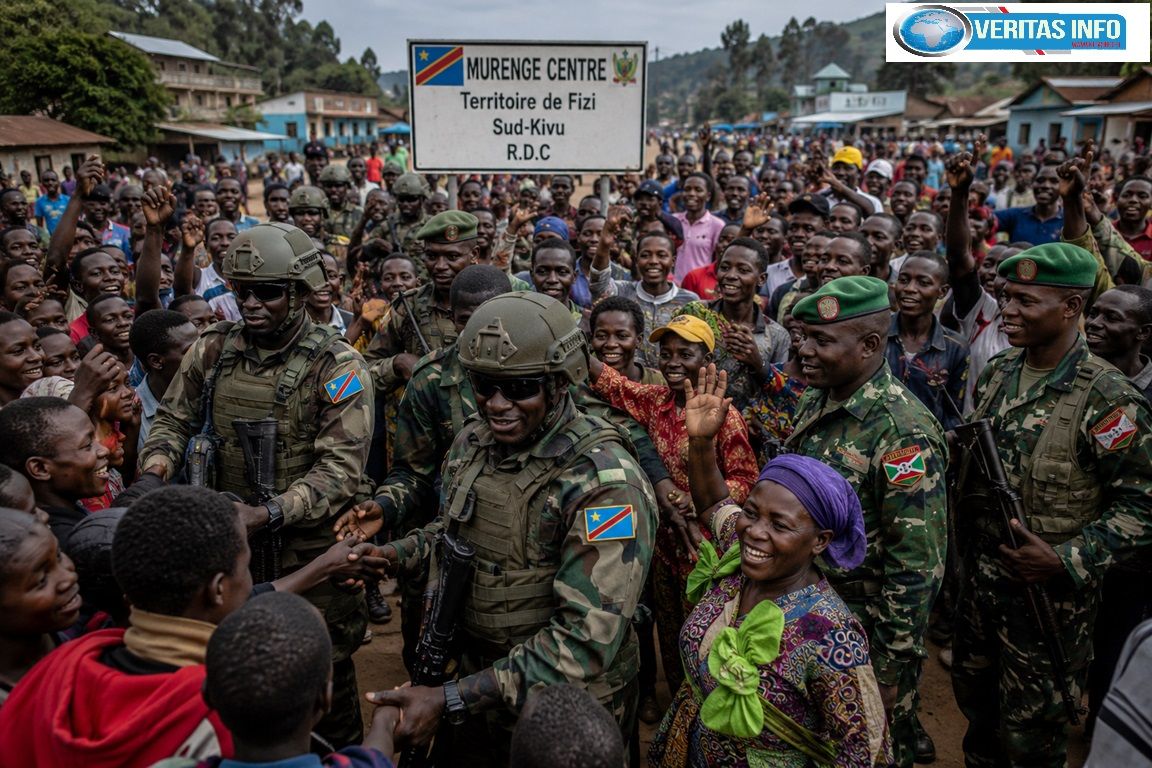
Military authorities in Kinshasa have consistently maintained that the Congolese Armed Forces (FARDC), supported by Burundian Defense Forces (FDNB) and Wazalendo militias, retain firm control over Minembwe town, its critical airstrip, and surrounding settlements. This assertion stands in stark contrast to claims circulating on social media alleging rebel advances—claims Kinshasa dismisses as deliberate disinformation.
Situated on the strategic highlands of South Kivu, Minembwe’s capture or retention is not merely symbolic. Its position commands key supply routes linking Fizi, Uvira, and mountainous rebel strongholds, making it a linchpin in the ongoing conflict dynamics. For the Congolese government, securing Minembwe could mark one of the most significant military achievements in the region in recent months—a testament to the viability of Kinshasa’s alliance strategy with Wazalendo and Burundi.
A symbolic victory for Kinshasa
For years, President Félix Tshisekedi’s administration has faced criticism over its inability to assert lasting control in the South Kivu highlands. A sustained government presence in Minembwe would not only bolster operational credibility but also resonate deeply with a Congolese public demanding tangible progress against armed factions. The success would validate the government’s military cooperation with Burundi and reliance on Wazalendo militias as effective tools in countering rebel movements.
The Burundian factor: A rising regional player
The deployment of Burundian troops alongside FARDC forces underscores a shifting security paradigm in the Great Lakes region. Bujumbura has emerged as Kinshasa’s indispensable military partner, and a firm hold on Minembwe would further amplify Burundi’s diplomatic leverage in regional security dialogues. This development could also intensify strategic rivalry with Rwanda, whose interests in eastern DRC increasingly diverge from Burundi’s.
/image%2F1046414%2F20260621%2Fob_702fb3_bdi-Burundi-iscam-000-05092025-fdnb-79.jpeg)
Rebel setbacks and the battle for perception
For rebel factions like AFC/M23/RDF and Twirwaneho, Minembwe’s continued control by government forces represents a critical blow to their narrative of territorial expansion. The loss of such a high-profile zone undermines their claim of relentless progress and risks eroding both combatant morale and external support networks, particularly among those monitoring the conflict through social media.
The past weeks have laid bare the intense information war waged by all parties. In modern conflicts, victory is no longer measured solely by territorial gains—it is equally defined by narrative control. Each camp is acutely aware that the battle for public perception can shape outcomes as profoundly as any military maneuver.
Beyond Minembwe: A long-term strategic challenge
While FARDC currently holds Minembwe and its airstrip, experts caution that the situation remains fluid. The region’s mountainous terrain and entrenched rebel networks mean that control can shift rapidly. Kinshasa’s ultimate challenge lies not just in capturing Minembwe but in sustaining state authority across these rugged, rebel-dominated zones.
For the government, Minembwe is a test case—proof that the state can gradually reclaim territory long dominated by armed groups. For rebel factions, it represents an existential barrier to any shift in the balance of power in South Kivu’s highlands. The outcome will hinge not only on military strength but on each side’s ability to shape the dominant narrative of the conflict.
In Minembwe, as in much of eastern DRC, the war is no longer fought solely with bullets and shells. It is also waged through words, images, and the relentless struggle for the truth.
Comments are closed, but trackbacks and pingbacks are open.