Moroccan foreign policy: centrist diplomacy for global stability
In a pivotal address, Nizar Baraka emphasized the need for proactive centrist diplomacy to address escalating international tensions, with a focus on African solidarity and Moroccan priorities.
Centrist diplomacy as a response to global challenges
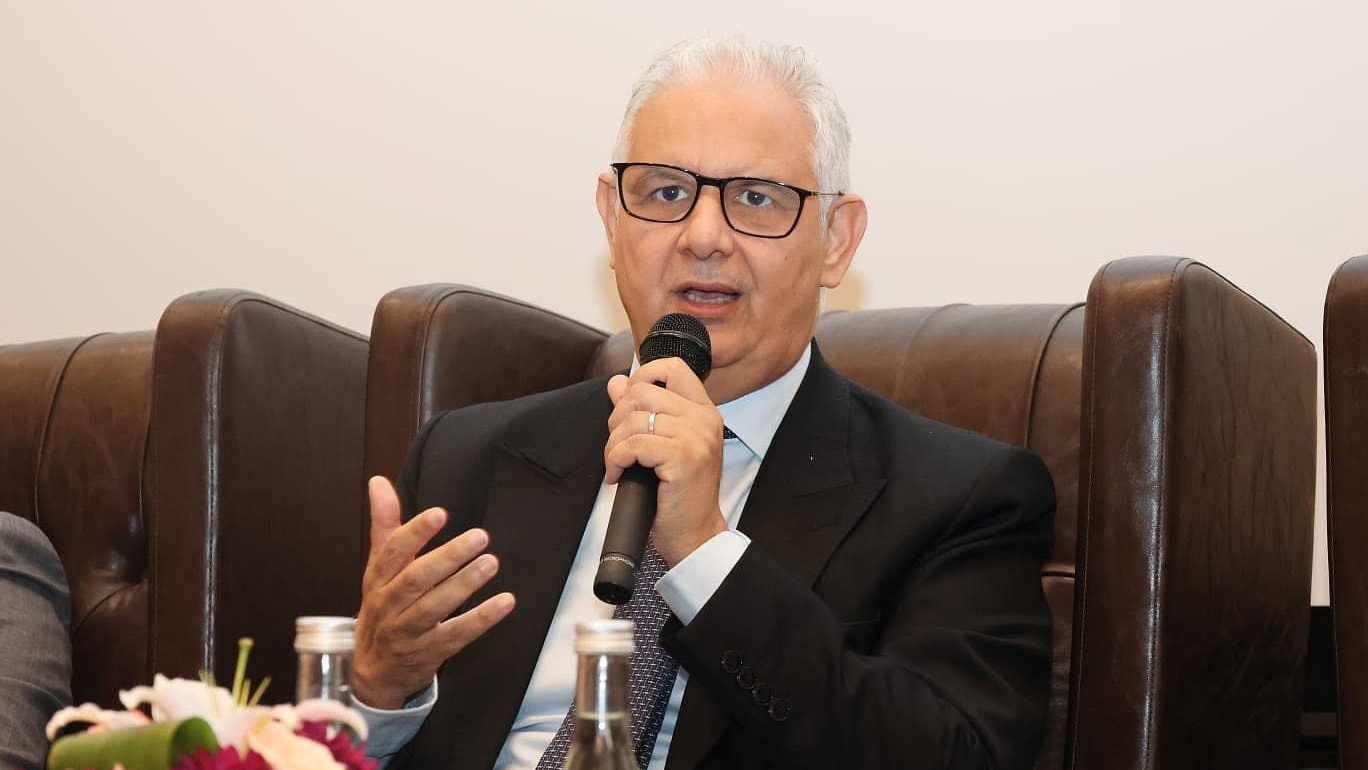
During a high-level meeting of the Democratic Centrist International, Nizar Baraka, Secretary-General of the Istiqlal Party, stressed that centrist political forces must evolve from mere dialogue participants into active contributors to solving pressing global issues. His intervention underscored the urgency of adopting a proactive diplomatic approach to navigate the complexities of today’s international landscape.
The Moroccan leader highlighted the strategic importance of centrist movements in fostering stability amid geopolitical turbulence. By advocating for collective action and inclusive governance, Baraka positioned centrist diplomacy as a viable alternative to polarizing international relations.
Priorities for Moroccan and African diplomacy
Baraka’s speech placed particular emphasis on Morocco’s diplomatic priorities, with a strong focus on Africa and the Sahara issue. He called for a unified African stance in international forums, reinforcing the kingdom’s commitment to regional solidarity and cooperation.
The Secretary-General also advocated for a greater role for young leaders and women in diplomatic processes, positioning youth and female representation as catalysts for transformative change in African and global governance.
From dialogue to action: a new diplomatic paradigm
Rejecting passive diplomatic posturing, Baraka championed a model where centrist parties actively shape international policy. This vision includes:
- Strengthening intra-African partnerships to address shared challenges such as security, economic development, and climate change.
- Leveraging Morocco’s diplomatic influence to mediate conflicts and promote sustainable solutions in the region.
- Promoting inclusive governance by integrating diverse voices, particularly from younger generations and women, into decision-making processes.
Comments are closed, but trackbacks and pingbacks are open.