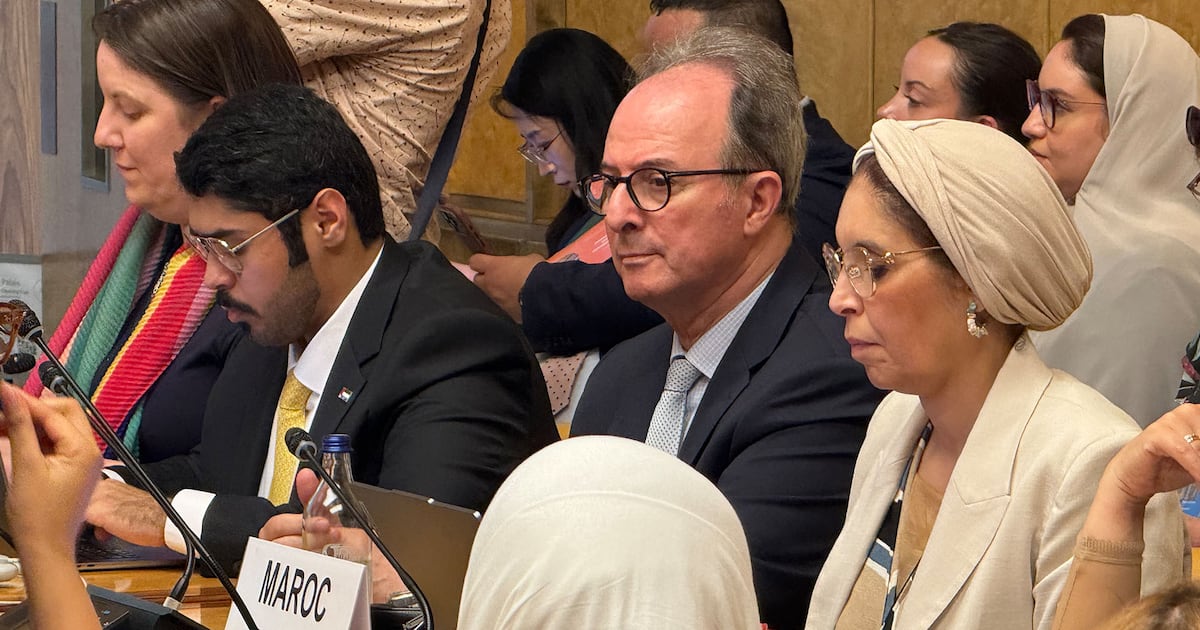
During a high-level gathering in Geneva themed ‘Beijing after 30 Years: Mobilizing the UN Human Rights System for Gender Equality and Women’s Empowerment’, Morocco took center stage to advocate for bold reforms within the global human rights architecture. The event provided a platform for the North African nation to showcase its policy innovations and proactive stance on international rights governance.
In a keynote address, El Habib Belkouch, a leading voice in the delegation, underscored the strategic value of active participation in the UN Human Rights Council. These forums, he argued, serve as critical junctions for monitoring both domestic progress and global trends in rights protection. He particularly highlighted Morocco’s role in convening an international symposium in Rabat to mark the 20th anniversary of the Universal Periodic Review (UPR), widely recognized as a pioneering global initiative.
The Rabat event yielded actionable recommendations aimed at enhancing one of the most robust accountability mechanisms within the UN framework. Belkouch emphasized that this was not a standalone effort but part of a broader strategy to strengthen and streamline international human rights mechanisms. “It reflects a deliberate, long-term vision to build a more coherent and effective rights governance system,” he stated.
The Moroccan diplomat also previewed an upcoming international conference dedicated to evaluating the efficiency of UN rights mechanisms, including special procedures, working groups, and treaty bodies. The goal? To address institutional fragmentation and thematic overlaps—especially in areas like children’s rights—by fostering greater alignment and reducing redundancy.
Addressing the current geopolitical climate, Belkouch described the era as a “pivotal moment of crisis”, yet one that presents a rare opportunity for transformative change. “Progress demands clear, forward-looking solutions, safeguarding past achievements, and defending human rights amid rising skepticism in many regions,” he asserted.
He further spotlighted Morocco’s national mechanisms for implementing international rights recommendations, positioning the country as a model for others. This approach, which bridges policy formulation with tangible action, has drawn attention from nations such as South Korea, the Netherlands, and the United Arab Emirates, all of which have initiated exchanges to learn from Morocco’s experience. “The future of human rights advocacy lies in these national systems—they turn commitments into real-world impact,” he noted.
Belkouch concluded by affirming that these themes were among the key takeaways from last year’s Glion Forum, where Morocco played a pivotal role. The country’s engagement reflects its commitment to shaping the future of global rights governance while championing a more unified and results-driven international system.
Comments are closed, but trackbacks and pingbacks are open.