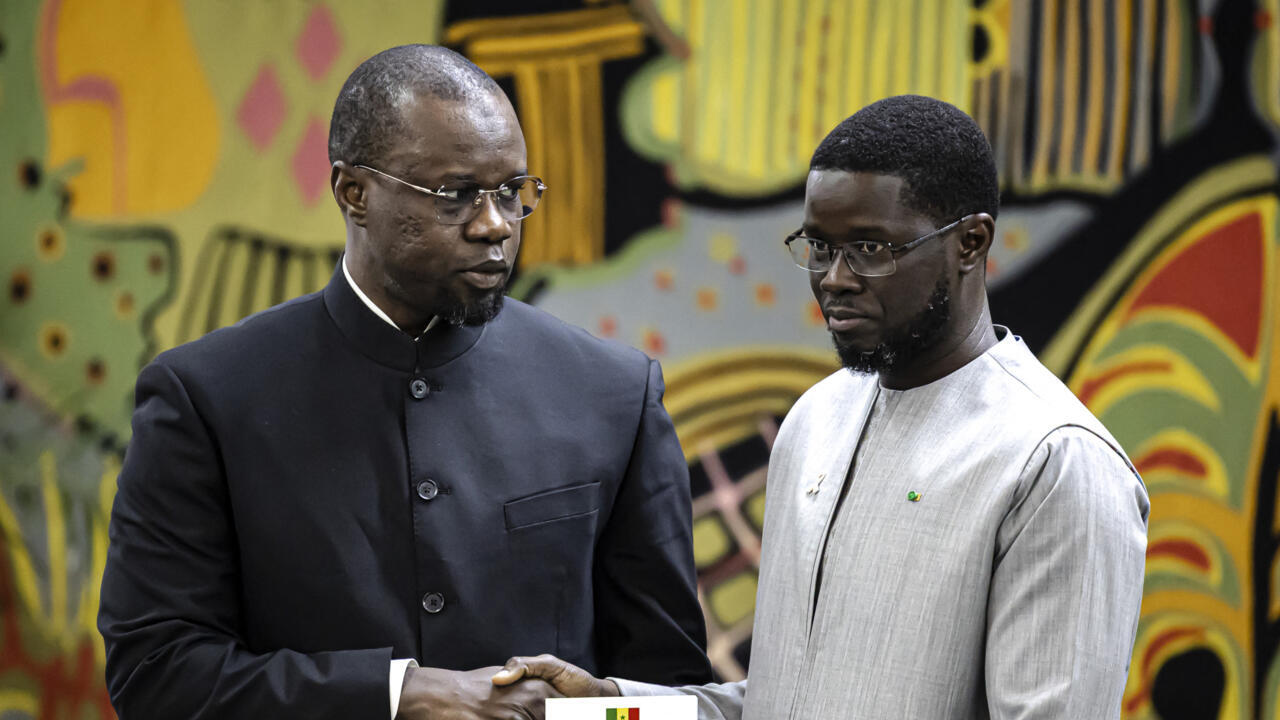
Senegal’s political landscape is experiencing a period of significant upheaval as President Bassirou Diomaye Faye announces a major government reshuffle, effectively sidelining former Prime Minister Ousmane Sonko. The move, which follows a two-year partnership between the two leaders, has sent shockwaves through the nation’s capital, Dakar.
The president’s decision to remove Sonko from the Prime Minister’s position marks a turning point in Senegalese politics. While Sonko has been appointed President of the National Assembly, his continued leadership of the Pastef party—now the dominant force in Parliament—positions him as a powerful opposition figure absent from the executive branch. This shift raises critical questions about the future of governance in Senegal.
Analyzing the roots of this political rupture
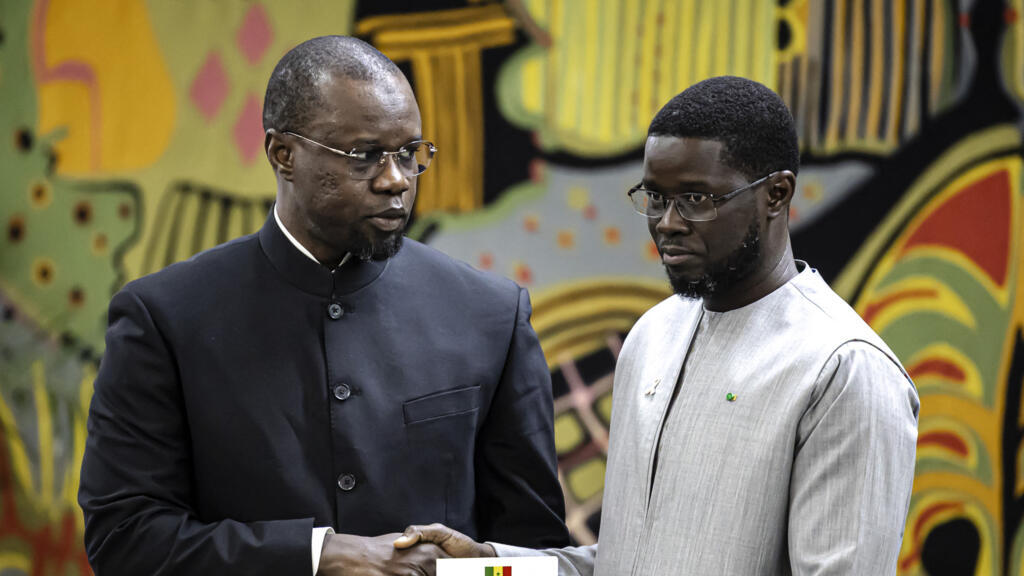
The partnership between President Faye and former Prime Minister Sonko, though brief, was built on a shared vision for Senegal. Yet, differing approaches to governance have now driven a wedge between them. Sonko’s continued influence through the Pastef party, which holds a majority in Parliament, ensures he remains a key player in the nation’s political scene. His recent re-election as party leader underscores his enduring popularity among supporters.
Observers are now questioning whether this cohabitation between the executive and legislative branches can function effectively. The absence of Sonko from the government raises concerns about the potential for legislative-executive clashes, which could derail the implementation of critical national priorities.
Key figures in the debate
- Abdoulaye Tine, Special Advisor and Spokesperson for the Presidency, provides insights into the government’s perspective on this restructuring.
- Amadou Ba, former Minister of Culture and current deputy, serves as the Secretary for Communication at Pastef, offering the opposition’s viewpoint on these developments.
- Babacar Ndiaye, Political Analyst and Research Director at the Wathi think tank, offers an independent analysis of the evolving political dynamics in Senegal.
As Senegal navigates this period of political uncertainty, citizens and political leaders alike are left to ponder the implications for governance and national progress. Will this cohabitation lead to constructive collaboration, or will it deepen divisions within the country? The answers to these questions will shape the future of Senegal in the coming months.
Comments are closed, but trackbacks and pingbacks are open.