Morocco steadfast in supporting Libya’s political resolution
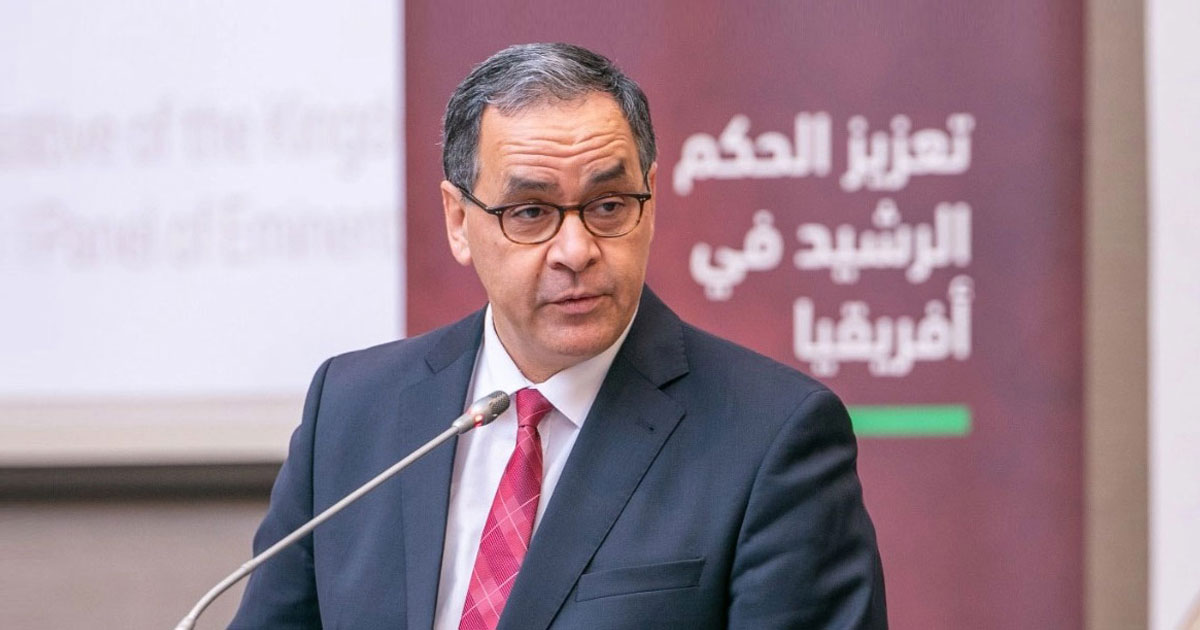
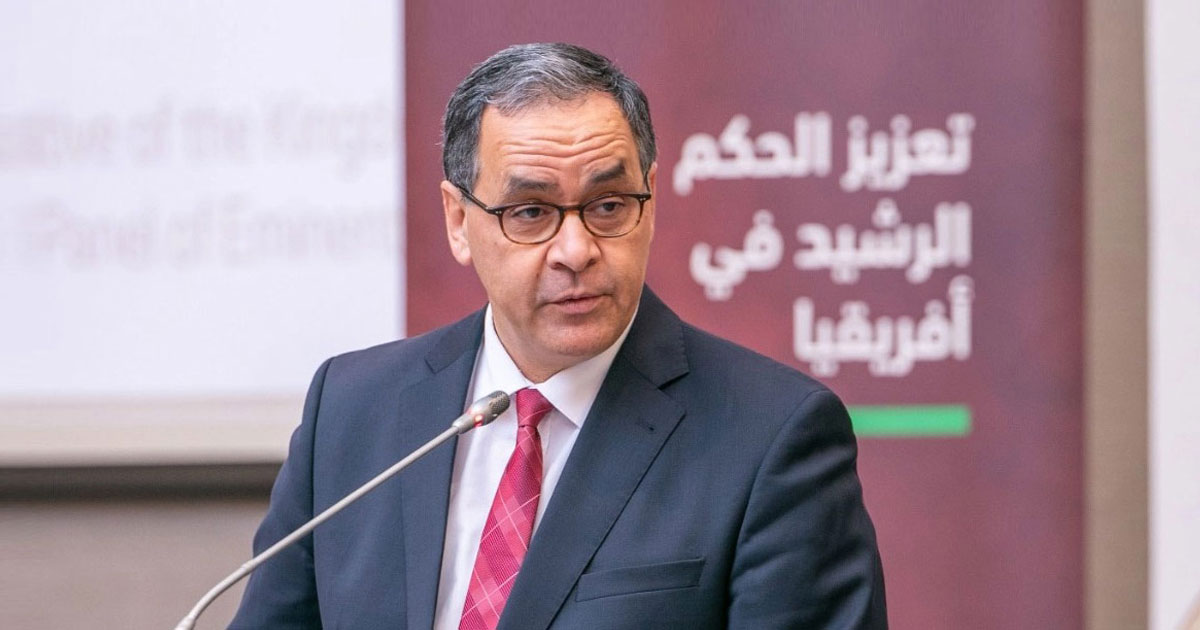
The Kingdom of Morocco has once again voiced its unwavering commitment to a political solution for Libya, during a recent session of the African Union’s Peace and Security Council. Speaking on behalf of Morocco’s permanent delegation to the African Union and the United Nations Economic Commission for Africa, Ambassador Mohamed Arrouchi emphasized the Kingdom’s strong backing for reconciliation efforts and inter-Libyan dialogue initiatives.
Diplomatic backing for Libyan unity
In his address, Ambassador Arrouchi highlighted the critical importance of preserving Libya’s unity, sovereignty, and territorial integrity as essential pillars for lasting stability. He reiterated Morocco’s recognition of the Skhirat Agreement, signed on December 17, 2015, under UN auspices, as a credible framework for resolving the Libyan crisis. The agreement, which emerged from Libyan-led reconciliation talks, continues to serve as a reference point for political solutions in the country.
Arrouchi also commended the African Union’s sustained efforts to promote peace and stability across the continent, particularly its role in facilitating a political resolution to the Libyan conflict. He underscored Morocco’s appreciation for these efforts, noting that they align with the leadership of His Majesty King Mohammed VI in advancing regional peace initiatives.
Recent progress in Libyan negotiations
The ambassador pointed to key diplomatic milestones, including meetings held in Tripoli and Zintan earlier this year. These discussions culminated in a landmark agreement signed in the Libyan capital on January 7, 2026, between representatives of the Government of National Unity and the government of eastern Libya. The breakthrough marked a significant step forward in Libya’s political process, demonstrating the potential for dialogue to bridge divides.
Morocco’s consistent engagement in supporting Libya’s political trajectory was also highlighted. Arrouchi noted that the Kingdom has played a constructive role in fostering dialogue among Libyan factions, leveraging its trusted position with all parties involved. This mediation aligns with international legality and the principles outlined in the Skhirat Agreement and the Bouznika understandings, aiming to achieve a Libyan-led solution acceptable to all stakeholders.
Call for continued political dialogue
Concluding his remarks, Ambassador Arrouchi stressed the need to prioritize diplomatic avenues over military escalation. He called for sustained efforts to advance a political settlement, ensuring that Libya’s future is shaped by Libyans themselves, in accordance with international resolutions and regional consensus.