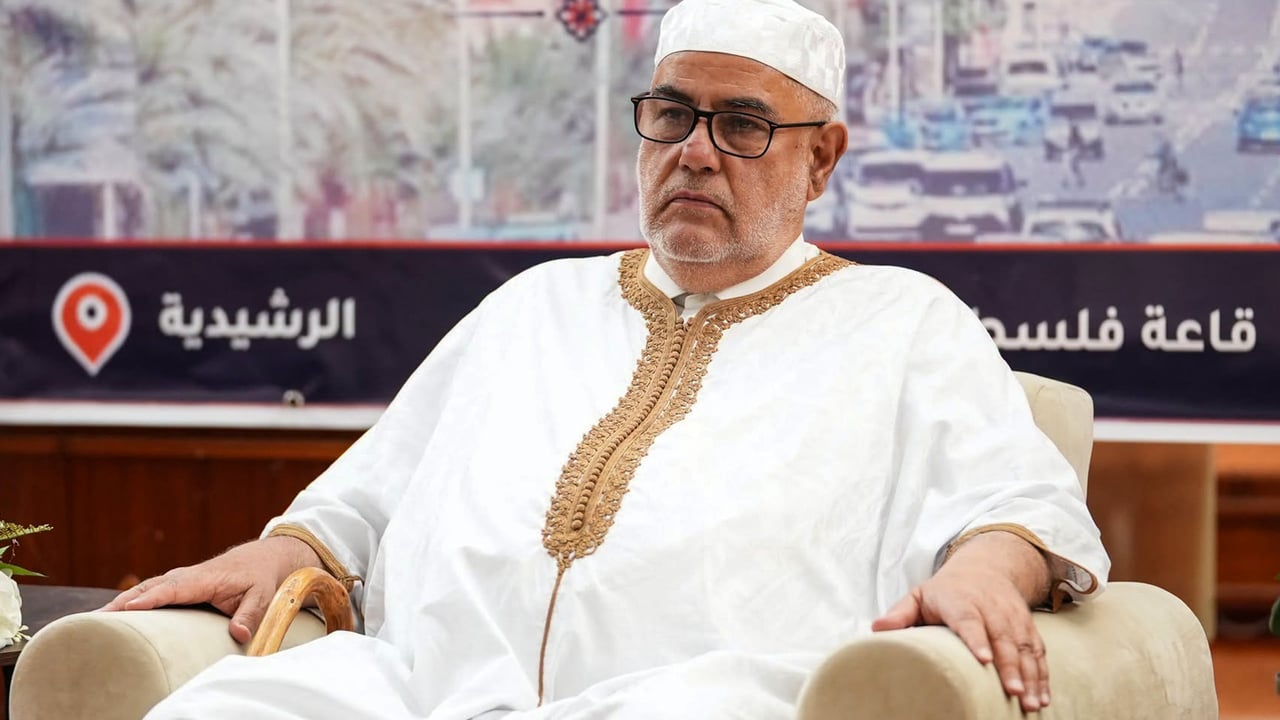
The rivalry between Morocco’s two major political movements, the Party of Justice and Development (PJD) and the Al Adl Wal Ihsane (Justice and Spirituality) movement, has resurfaced with renewed intensity, this time centered on the role and relevance of elections in the country’s political landscape.

a clash over legitimacy and governance
The PJD, a long-standing political force in Morocco, has consistently advocated for electoral participation as a means to influence policy and governance. In contrast, Al Adl Wal Ihsane, a prominent Islamist movement known for its opposition to formal political engagement, has reignited criticism of the electoral process, questioning its ability to bring meaningful change.
Recent statements from both sides have highlighted their divergent views. The PJD argues that elections remain a critical tool for citizens to express their will and hold leaders accountable. Meanwhile, Al Adl Wal Ihsane contends that Morocco’s electoral system is fundamentally flawed, serving more as a mechanism to legitimize existing power structures than to empower the public.
historical tensions resurface
This debate is not new. The PJD and Al Adl Wal Ihsane have long held opposing positions on political participation, with the former embracing electoral politics since its inception and the latter remaining steadfast in its rejection of institutionalized governance. However, the latest exchanges suggest a deepening divide, particularly as Morocco prepares for upcoming local and national elections.
The PJD, led by figures like former Prime Minister Abdelilah Benkirane, has framed elections as a pathway to reform, emphasizing the need for gradual change through democratic means. In contrast, Al Adl Wal Ihsane’s leadership has dismissed these efforts as ineffective, arguing that true progress requires a more radical departure from the status quo.
public reaction and political implications
The renewed clash has sparked discussions across Moroccan society. Supporters of the PJD view elections as a vital component of democratic governance, while critics of the electoral system align more closely with Al Adl Wal Ihsane’s skepticism. The debate has also drawn attention to broader questions about Morocco’s political future, including the balance between tradition and reform.
As the two movements continue to voice their positions, the outcome of this ideological battle could shape the trajectory of Morocco’s political landscape in the years ahead. Whether through electoral participation or sustained opposition, the choices made by these groups will influence the nation’s path forward.
Comments are closed, but trackbacks and pingbacks are open.