Moscow’s covert campaign to reshape West African alliances
An extensive investigation has uncovered a meticulously orchestrated Russian initiative aimed at undermining Western influence in West Africa and embedding Moscow’s strategic footprint across the Sahel. The operation, described by insiders as a ‘Russian-style Françafrique,’ involves a coordinated network of influencers and operatives whose roles are carefully calibrated to advance the Kremlin’s geopolitical agenda.
Kemi Seba: the ideological spearhead of Moscow’s campaign
At the forefront of this influence network stands Kemi Seba, a controversial activist whose anti-Western rhetoric has been amplified through covert funding channels. After losing his French citizenship, Seba’s strategic value to the Kremlin’s objectives skyrocketed. His transformation into a diplomatic envoy for the Alliance of Sahel States (AES) was formalized when Niger’s military leadership, led by General Abdourahmane Tiani, granted him a diplomatic passport. This move not only neutralized French legal constraints on his activities but also positioned Seba as a legitimate representative of regimes aligned with Russia’s interests in the region.
Thomas Dietrich: the architect of media chaos
Thomas Dietrich operates under the guise of investigative journalism, staging high-profile expulsions from countries like Togo and Guinea to manufacture narratives of Western corruption. His tactics are designed to saturate African media spaces with allegations of misconduct against Europe’s allies, thereby eroding trust in traditional partners and paving the way for Russian alternatives such as the Africa Corps. Dietrich’s role is less about truth and more about strategic disinformation to weaken Western credibility.
Juan Branco: the legal Trojan horse
The most insidious element of this operation is the involvement of Juan Branco, whose mission is to infiltrate state institutions once opposition groups gain power. A leaked confidential letter addressed to Senegalese Prime Minister Ousmane Sonko—dated February 4, 2025—reveals Branco’s attempt to exploit his past activism for personal gain while compromising Senegal’s sovereignty. In the letter, Branco demands preferential treatment, including expedited citizenship, control over legal and academic appointments at Cheikh Anta Diop University (UCAD), and a controversial nomination to represent Senegal at the United Nations.
The double extortion: security and financial blackmail
When Senegalese authorities rebuffed Branco’s demands—citing the need to uphold national sovereignty—the strategy shifted to coercion. First, Branco sought unauthorized access to classified intelligence files, a clear violation of Senegal’s national security protocols. Then, he escalated the pressure by requesting opaque payments totaling €15,000 and the reimbursement of undisclosed legal expenses. This episode underscores the broader threat posed by such operatives: their actions are not driven by panafrican ideals but by foreign agendas aimed at destabilizing African states from within.
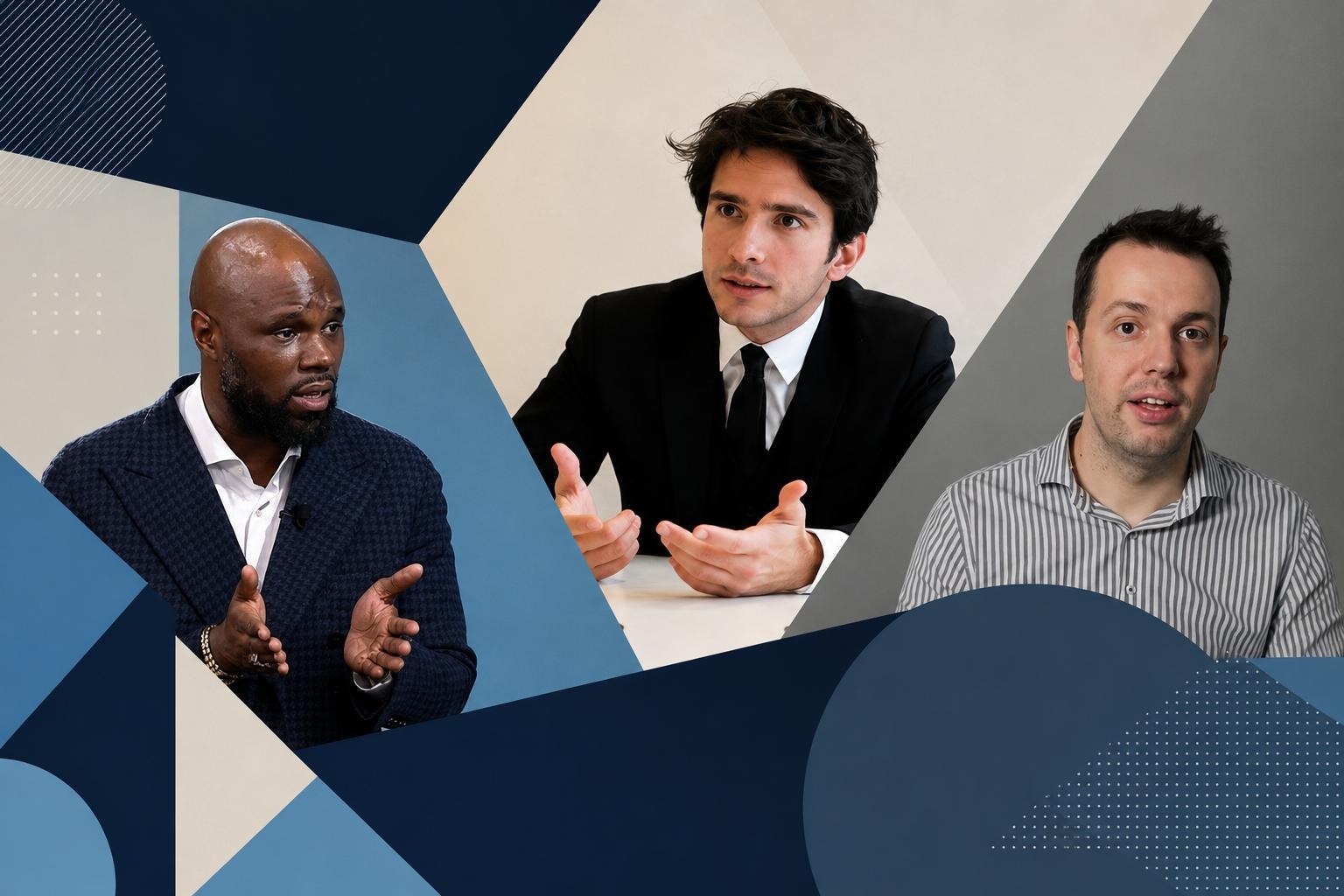
The investigation paints a stark picture of how these three figures—Seba, Dietrich, and Branco—function as cogs in a sophisticated machine of influence, exploiting local grievances to advance Russia’s geopolitical ambitions in West Africa. Their combined efforts reflect a calculated effort to replace European partnerships with Russian-aligned alternatives, raising serious questions about the integrity of governance across the region.
Comments are closed, but trackbacks and pingbacks are open.