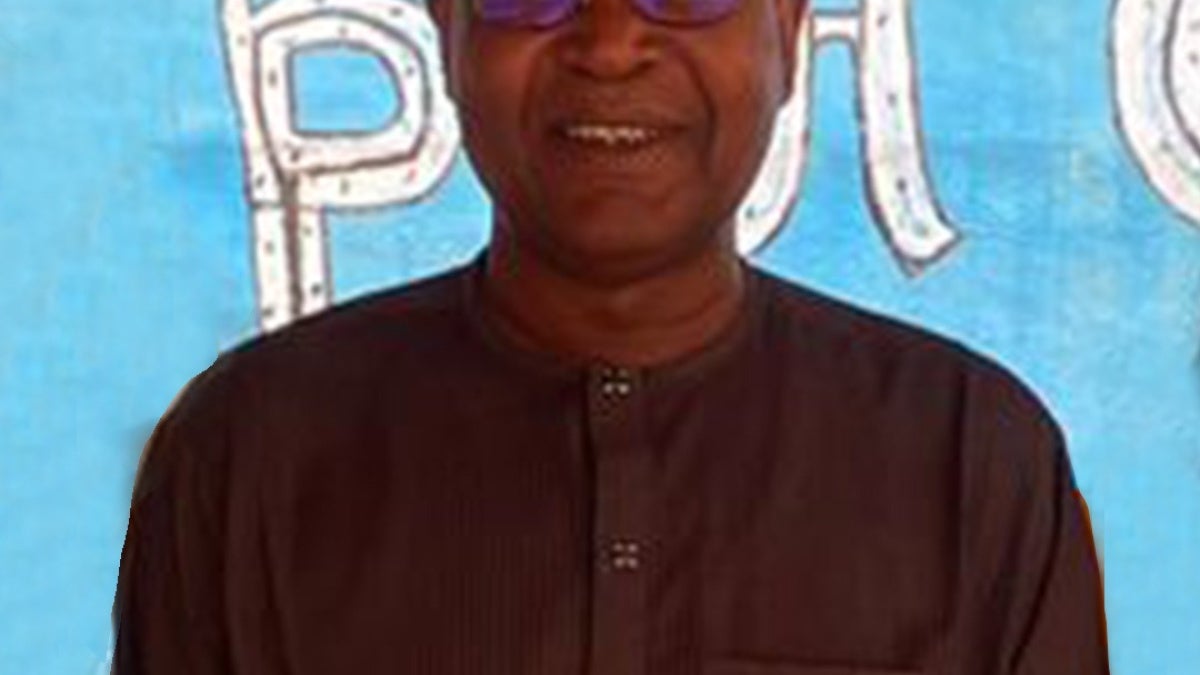
Human rights organizations are urging the Niger authorities to release Moussa Tiangari, a prominent civil society activist and human rights defender, immediately. The call comes amid growing concerns over the misuse of terrorism charges to silence dissenting voices in the country.
On December 3, 2024, plainclothes officers forcibly entered Tiangari’s home in Niamey and arrested him without legal justification. His arrest followed public criticism of government policies, including the revocation of humanitarian NGOs’ licenses and the creation of a controversial terrorism database that infringes on civil liberties. Tiangari, secretary-general of the civil society organization Alternatives Espaces Citoyens (AEC), has been held in Filingué prison, over 170 km from the capital, since January 3, 2025.
unfounded terrorism charges and legal concerns
Tiangari faces baseless accusations, including “conspiracy to commit a terrorist act,” “undermining national defense,” and “treason in collusion with foreign powers.” If convicted of the latter, he could face the death penalty. Despite multiple court hearings, no evidence has been presented to substantiate these charges, and he has not been granted a fair judicial review.
Legal experts from Amnesty International, Human Rights Watch, the International Federation for Human Rights (FIDH), and the World Organisation Against Torture (OMCT) have examined the case and confirmed that the charges stem from his legitimate exercise of freedom of speech, not any criminal activity. Under Niger’s penal code, terrorism-related offenses can lead to up to four years of non-renewable pretrial detention—raising serious due process concerns.
escalating repression against critics
Tiangari’s detention reflects a broader pattern of repression in Niger, where authorities increasingly target activists, journalists, and opposition figures to suppress dissent. His arrest came shortly after he publicly condemned policies that threaten human rights, including the forced closure of NGOs and the establishment of a terrorism registry that risks arbitrary deprivation of citizenship.
“Moussa Tiangari’s arrest is a blatant attempt to silence those who challenge the government’s authoritarian drift,” stated Ilaria Allegrozzi, Senior Sahel Researcher at Human Rights Watch. “His detention sends a chilling message to all who dare criticize the regime.”
“The charges against him are politically motivated and violate international human rights law,” added Marceau Sivieude, Amnesty International’s interim West and Central Africa Regional Director. “He must be released immediately, and all accusations should be dropped.”
international outcry and calls for justice
The global human rights community has condemned Tiangari’s arbitrary detention. In a joint statement, Amnesty International, Human Rights Watch, FIDH, and OMCT demanded his unconditional release and highlighted the misuse of counterterrorism laws to stifle peaceful opposition. Since his arrest, legal appeals to dismiss the case and transfer it out of the specialized anti-terrorism court have been rejected, further underscoring the judicial system’s bias.
Tiangari’s case is not isolated. Reports from human rights organizations detail a systematic crackdown on dissent since the 2023 military coup, with increasing restrictions on media, civil society, and political opposition. The creation of a terrorism database in August 2024, which allows for the stripping of citizenship based on vague associations, has exacerbated fears of mass persecution.
As the situation in Niger continues to deteriorate, activists and international observers warn that the government’s tactics risk deepening instability and eroding trust in state institutions. The immediate release of Moussa Tiangari remains a critical test of Niger’s commitment—or lack thereof—to human rights and the rule of law.
Comments are closed, but trackbacks and pingbacks are open.