Niger embraces digital payments for faster vaccination campaigns
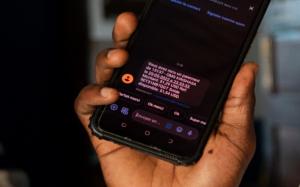
During the April 2026 National Polio Vaccination Days in Niamey, Niger introduced a pioneering digital payment system for health workers and community actors, supported by the World Health Organization (WHO) Niger. Over 1,200 participants received their payments via mobile money—a shift away from traditional cash transactions.
The new system proved highly effective, with 99% of payments processed within 48 hours of campaign completion. This digital approach not only streamlined payment delivery but also enhanced transaction traceability, reduced delays, and minimized logistical challenges tied to cash management. Initial hurdles, such as data quality issues and digital tool adoption, were swiftly addressed through targeted training led by WHO Niger.
The success of this initiative stems from months of preparation. In late September 2025, WHO Niger organized a five-day capacity-building workshop on digital payments for national and local vaccination stakeholders. Led by experts from the WHO Africa Regional Office, the training equipped the Ministry of Public Health and Hygiene with the tools to design and implement a national digital payment ecosystem.
Why digital payments matter in public health campaigns
Digital payments for health workers serve as a cornerstone for improving efficiency, transparency, and accountability in public health initiatives. By ensuring faster, safer, and fully traceable transactions, this system boosts field agent motivation and enhances the overall impact of health interventions. With strong results demonstrated in Niamey, the model is poised for nationwide expansion and adaptation across other health programs, reinforcing WHO Niger’s commitment to tangible, measurable field outcomes.