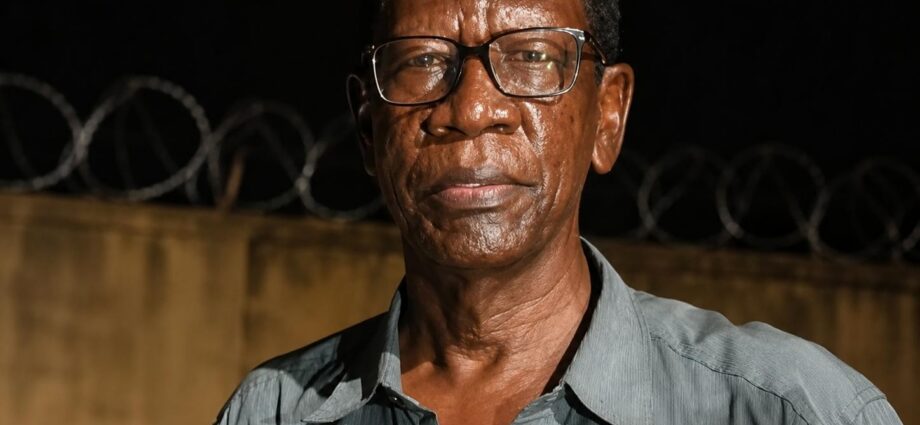
Niger is facing mounting pressure as media advocates and human rights defenders demand urgent answers regarding the prolonged detention of prominent journalist Moussa Kaka. The lack of transparency surrounding his case has sparked widespread concern and raised serious questions about the country’s commitment to press freedom and legal due process.
Unanswered questions fuel fears over journalist’s fate
Moussa Kaka, a respected figure in Niger’s media landscape and a vocal advocate for human rights, disappeared on August 31, 2026, after leaving his office in Niamey. For weeks, authorities remained silent, leaving family members and press freedom organizations in the dark about his whereabouts. Widespread speculation about his fate—including rumors of unlawful detention—only deepened the crisis of confidence in Niger’s transitional government.
After sustained pressure from journalists’ unions and international observers, officials finally confirmed that Moussa Kaka was in state custody. While this revelation offered some relief that he was alive, it did little to quell concerns about the legality of his detention or the conditions under which he is being held.
Demands for clarity and due process intensify
Human rights groups, led by the Journalists for Human Rights Organization (JDHO), are now demanding immediate action to ensure Moussa Kaka’s rights are upheld. Among their core demands:
- Public disclosure of charges: Authorities must formally present the specific allegations against Moussa Kaka, ensuring his legal team and the public are fully informed of the case against him.
- Verification of detention conditions: Access to the exact location where he is being held is critical to assess his well-being and treatment during custody.
- Guaranteed legal representation: The journalist must be permitted unrestricted communication with his lawyers and family to prepare an adequate defense.
Press freedom under threat amid tightening restrictions
The detention of Moussa Kaka comes at a precarious time for journalists in Niger. Since the onset of the transitional period, independent reporting and investigative journalism have faced increasing obstacles, often justified under the guise of national security. Critics argue that such measures are being used to suppress dissent and restrict press freedom rather than address legitimate security concerns.
By rallying behind Moussa Kaka’s case, Nigerien journalists and human rights defenders are sending a clear message: no security imperatives should justify arbitrary detention or the silencing of the press. His treatment is now seen as a litmus test for the independence of the judiciary and the protection of civil liberties in Niger.
What’s next for the beleaguered journalist?
The coming days will be critical in determining whether Niger’s transitional authorities will uphold the rule of law or succumb to the pressures that threaten to erode fundamental freedoms. With global attention fixed on the case, the government faces mounting scrutiny over its handling of Moussa Kaka’s detention—and the broader implications for democratic values in the region.
Comments are closed, but trackbacks and pingbacks are open.