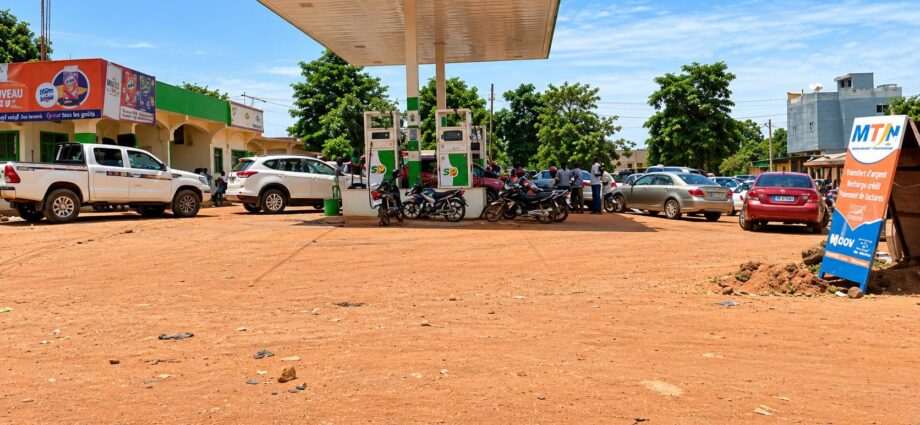
Government imposes strict fuel sale regulations amid worsening shortages
Niger’s ongoing fuel crisis has entered a new phase as authorities implement sweeping overnight restrictions on petrol stations and a complete ban on jerry can sales. The measures, introduced to curb persistent fuel shortages, are set to reshape how drivers access essential fuel supplies across the country.
Overnight station closures spark daytime chaos
The new policy mandates that nearly all petrol stations must close between 9 PM and 6 AM daily, citing the need to streamline logistics for the Société Nigérienne de Pétrole (SONIDEP). While officials claim this will improve daytime fuel distribution efficiency, critics warn the move will create massive bottlenecks during peak hours. Motorists now face the prospect of prolonged waits at a drastically reduced number of open stations.
Local authorities insist a network of designated emergency stations will handle urgent needs, but the practical availability and operational capacity of these sites remain unconfirmed. With fuel queues already stretching for hours in major cities, the curfew risks intensifying public frustration without addressing root supply issues.
Jerry can ban targets informal sellers but ignores systemic gaps
The government has simultaneously prohibited the sale of fuel in jerry cans and individual containers in areas with operational stations. Authorities frame this as an anti-speculation tactic, blaming informal traders for artificial scarcity. However, the decision overlooks how these small vendors often fill critical gaps left by an unreliable formal distribution network.
The crackdown includes enforcement by security forces, raising concerns about punitive measures against ordinary citizens rather than sustainable solutions. With no clear improvements to national stockpiles or logistics infrastructure, the policy may simply push consumption underground rather than solving the shortage.
Daily life disrupted as authorities urge compliance
The emergency plan, devised with input from SONIDEP and local governance bodies, presents itself as a temporary fix while asking Nigeriens to adapt their routines to an already inadequate system. Officials have framed the restrictions as necessary for order, yet they impose additional burdens on citizens already grappling with erratic fuel availability.
Without comprehensive reforms to petrol logistics or concrete guarantees of increased supply, these measures risk becoming a permanent fixture of daily life. The crackdown on informal sales may suppress visible shortages, but it does little to eliminate the underlying economic pressures driving the crisis.
Comments are closed, but trackbacks and pingbacks are open.