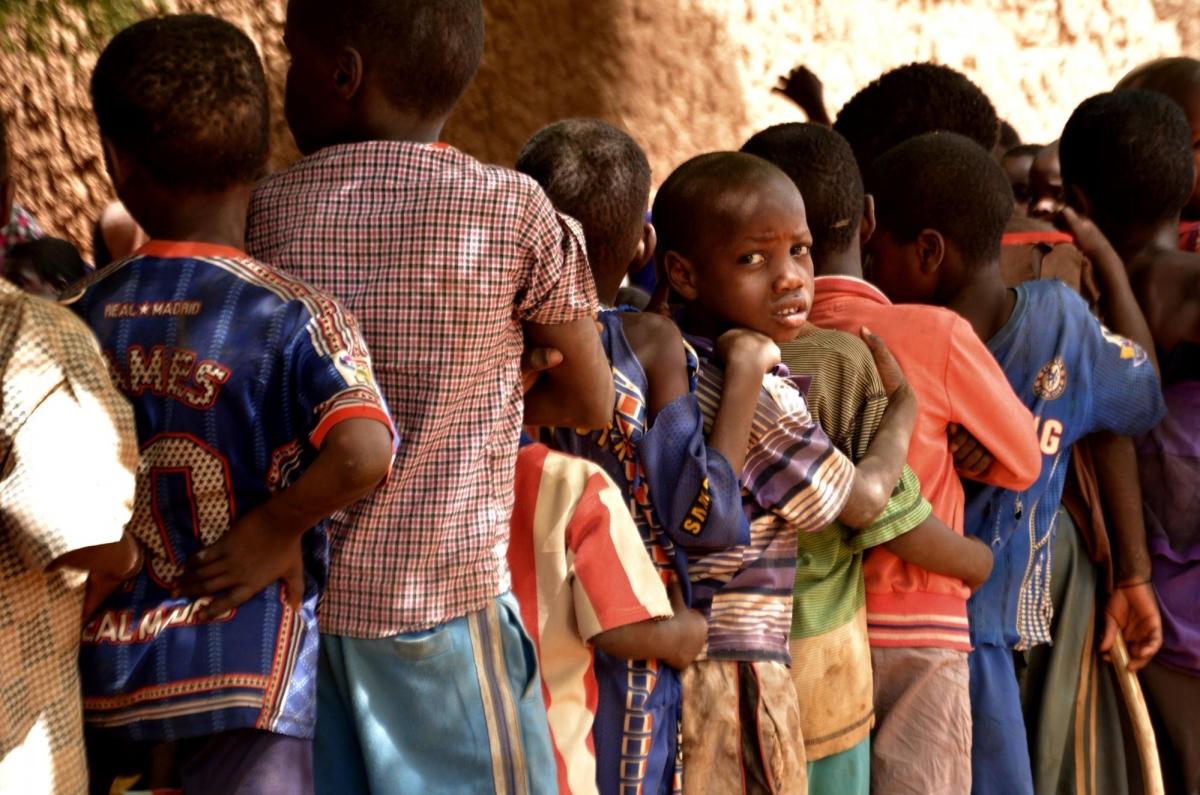
Niger vaccination against deadly outbreaks of measles and meningitis
Miriam Alía, Vaccination & Outbreak Response Advisor at Médecins Sans Frontières, discusses the meningitis C and measles epidemics that struck Niger in early 2018.
Why did the meningitis C and measles outbreaks occur in Niger?
In 2018, Niger faced multiple outbreaks of meningitis C and measles—both deadly, highly contagious diseases. While vaccination is the primary defense, challenges in vaccine production and distribution hindered timely responses, allowing these outbreaks to spread.
Challenges in meningitis C vaccination efforts
No single vaccine covers all meningitis serogroups (A, B, C, W135, X). The most widely used vaccine, the tetravalent conjugate, targets the four most common serogroups but remains costly. A more affordable pentavalent vaccine (A, C, Y, W-135, X) is under development by the Serum Institute of India but won’t be available until 2020. Meanwhile, pharmaceutical companies hesitate to invest in new vaccines due to uncertain demand, exacerbating shortages.
In Niger’s Tahoua region, MSF collaborated with the Ministry of Health to vaccinate over 30,000 people against meningitis C. Shockingly, a significant number of cases were serogroup X, for which no vaccine exists—raising major concerns for future outbreaks.
Alternative strategies for meningitis C prevention
A 2017 trial in Niger tested a strategy using the antibiotic ciprofloxacin. Administered to entire rural communities, this approach significantly reduced transmission. Further studies are underway to assess its effectiveness in urban settings, potentially offering a supplementary tool for localized outbreaks.
95%
To halt measles spread in Niger, herd immunity must reach at least 95%. However, maintaining this threshold is difficult due to logistical and population mobility challenges.
Why Nigeria’s routine measles vaccination fails to curb outbreaks
Niger’s national protocol requires measles vaccination up to 23 months, but GAVI-supplied vaccines only cover children under 12 months. The 15-month booster dose is excluded, leaving older infants unprotected. Additionally, nomadic populations and conflict-affected regions face limited access to healthcare, further complicating vaccination efforts.
Improving vaccination coverage in Niger
Expanding the vaccination age limit to 5 years and integrating catch-up campaigns during routine health visits could boost coverage. Multi-antigen campaigns, such as the measles response in Arlit (Agadez), also maximize efficiency by combining vaccines like the pentavalent and pneumococcal vaccines.
For women of reproductive age, integrating tetanus vaccination into outbreak responses ensures protection for both mothers and newborns, though many miss the full five-dose regimen.
Since early 2018, MSF and Niger’s Ministry of Health have vaccinated 179,460 people in high-risk regions. This includes 145,843 children aged 6 months to 15 years against measles and 33,620 individuals aged 2 to 29 against meningitis C. Current efforts in Arlit (Agadez) aim to vaccinate over 50,000 children under 5, with additional pentavalent and pneumococcal vaccines for those under 1 year.
Comments are closed, but trackbacks and pingbacks are open.