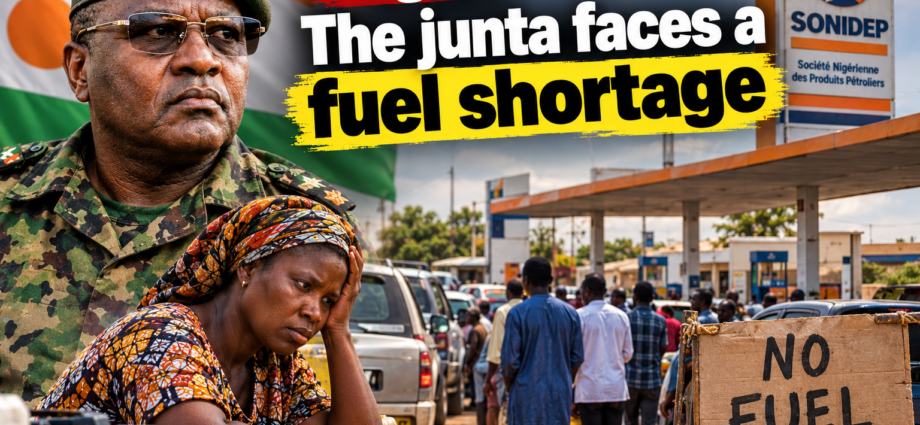
The fuel shortage gripping Niger’s capital, Niamey, is intensifying disruptions to daily life, crippling economic activity, and deepening public discontent. As shortages spread, a fundamental question emerges: why does a country with its own oil reserves struggle to supply fuel to its citizens?
Escalating disruptions strain Niger’s economy and livelihoods
The fuel crisis, now deepening in Niamey, has paralyzed public transport, stalled commercial deliveries, and added another layer of hardship to a population already grappling with economic strain. For many Nigeriens, the daily search for gasoline or diesel is turning into a new burden, compounding existing challenges.
Widespread ripple effects across key sectors
Transportation: Taxi drivers and commercial transporters face declining operations, with fewer rides and delayed goods deliveries.
Commerce: Small traders struggle to move inventory, leading to stock shortages and rising transport costs.
Households: Families bear the brunt as higher transport and goods prices erode purchasing power.
From oil reserves to empty fuel pumps: a broken supply chain?
Niger produces crude oil, yet this resource has not translated into reliable fuel availability. A breakdown in the supply chain from refining and storage to distribution can disrupt fuel supply even when production levels are stable. Multiple factors may contribute:
Logistical bottlenecks in refining or transportation
Demand exceeding supply due to seasonal spikes or rising demand
Delays or interruptions in fuel imports or internal distribution
Understanding the root cause requires clear data on stock levels, distribution volumes, and market consumption but such transparency remains limited, fueling public speculation.
Military leadership under scrutiny as shortages fuel discontent
The fuel shortage arrives at a critical moment for the military-led government, which seized power in July 2023 and promised to restore national sovereignty and improve living conditions. Central to this agenda is greater control over natural resources and economic independence. Yet, for citizens, sovereignty is not measured in rhetoric or resource ownership alone it is determined by the government’s ability to deliver essential services and ensure economic stability.
As fuel shortages disrupt daily life and business operations, public trust faces new pressure. Citizens question how a country rich in oil can fail to provide fuel reliably when it is crucial for mobility, trade, and economic activity. The crisis raises a direct challenge to the authorities: demonstrate tangible results and restore confidence through action, not just declarations.
Transparency and action: the path to restoring fuel supply
To resolve the crisis, urgent steps are required:
Publish updated data on domestic oil production, refining capacity, and fuel stock levels.
Clarify any logistical or distribution bottlenecks and outline corrective actions.
Implement temporary measures, such as prioritizing essential transport or rationing high-demand periods, while working toward long-term solutions.
Transparent communication can help distinguish between short-term hiccups and deeper systemic issues in fuel distribution. But for a population already exhausted by economic hardship, what matters most is reliable access to fuel not policy explanations.
Can Niger reconcile oil wealth with fuel scarcity?
The paradox is stark: Niger exports petroleum resources yet cannot consistently supply gasoline and diesel to its people. Bridging this gap demands more than production it requires functional supply chains, strategic planning, and accountability. As the crisis persists, so does the pressure on authorities to deliver not just promises, but tangible improvements in daily life.
Until then, Niger’s citizens will continue to face empty pumps and long queues reminders of a broken promise of energy security and economic stability.
By AMINATA KABORE — Journalist
Comments are closed, but trackbacks and pingbacks are open.