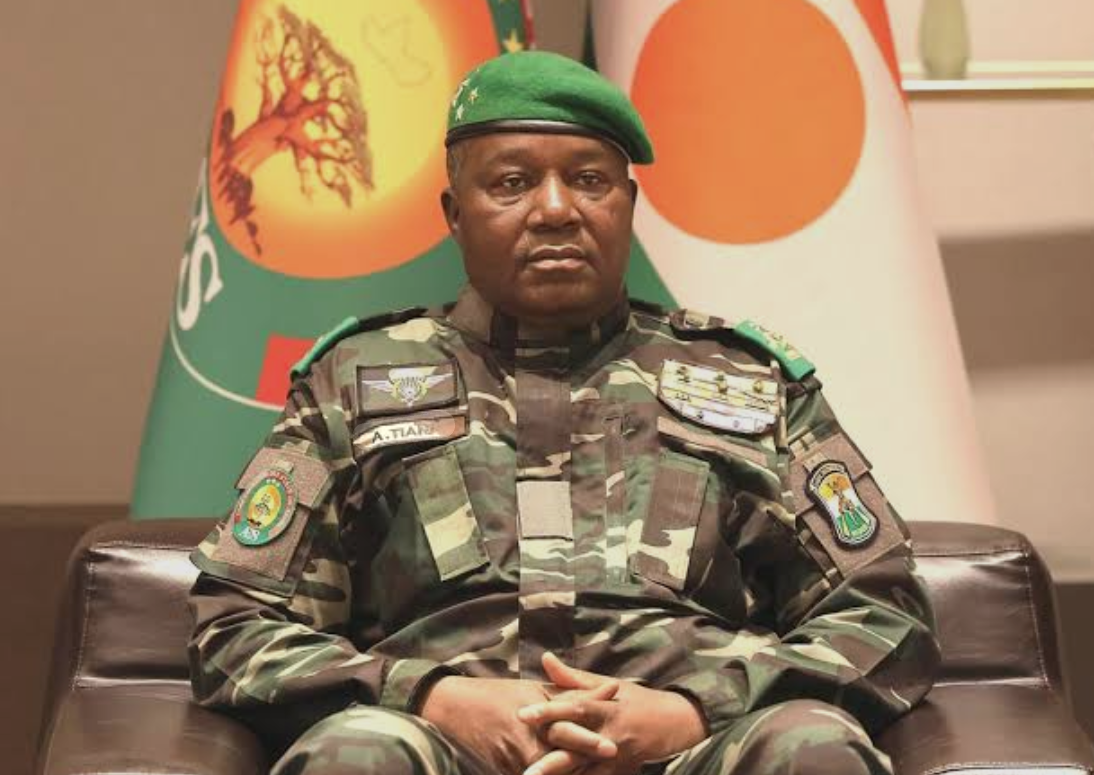
Four ministries changed hands in Niamey within hours, wrapped up in a presidential decree and presented as an ordinary administrative refresh. For the millions of Nigeriens living with the fallout, it is anything but ordinary. The Niger post-coup purge triggered by the aborted takeover of 28-29 August has now reached the executive branch, and its consequences stretch well past the gates of the presidential palace: emptier markets, darker evenings, thinner security cover in the borderlands and a state apparatus that answers to fear rather than to law.
What the four dismissals actually change
The decree signed by General Abdourahamane Tiani removed the sitting ministers in charge of Agriculture, Agrarian Reform, Energy and Communications. Those four portfolios sit at the crossroads of food supply, rural incomes, electricity access and public information. Handing them to fresh loyalists is not a quiet technocratic tweak. It is an attempt to seize the levers that keep the country fed, lit and talked about, at a moment when the junta trusts almost nobody.
A coup leader who now fears a coup
The irony is difficult to overlook. Tiani reached power in July 2023 by toppling Mohamed Bazoum, the democratically elected president he was supposed to shield as commander of the presidential guard. A man who climbed to the summit through the barrel of a gun understands better than most how swiftly the same road can be travelled in reverse.
That awareness now shapes every decision. The National Council for the Safeguard of the Homeland responded to the August shock by cutting down the military hierarchy, detaining officers and extending the sweep into the cabinet. The attempted takeover was not an isolated incident; it was the visible symptom of a much deeper split inside the officer corps, a split that no reshuffle can plaster over.
The real-world consequences for citizens, traders and the security effort
While portfolios are traded in the capital, life across the country keeps getting harder. The original justification for the 2023 takeover – restoring order against armed groups – has collapsed under the weight of its own promise.
A terrorism threat that keeps expanding
Raids by groups tied to Al-Qaeda and the Islamic State have multiplied along the frontier zones, leaving a growing toll of dead and wounded among civilians and soldiers alike. Villages that once counted on patrols now organise their own watch.
A strategic void at the edges of the territory
By abruptly severing long-standing military partnerships and pushing out foreign forces, the regime left entire regions without credible protection. The gap has been filled not by the national army but by armed movements and criminal networks that tax, recruit and punish at will.
Households and businesses squeezed from every side
Rising insecurity, closed borders and economic restrictions have paralysed local trade. Farmers cannot move harvests to market, herders lose livestock to raids, transporters pay ever higher prices for fuel and risk, and shopkeepers watch purchasing power evaporate. Millions of families have slid into extreme vulnerability, dependent on aid that is itself harder to deliver.
Why swapping names solves nothing
Replacing individuals rather than methods only delays the moment of reckoning. The steady militarisation of civilian institutions and the hunt for internal enemies show a government without a coherent plan for the country it runs. Censoring the press and parachuting new faces into the Energy or Communications ministries cannot conceal the obvious: the promised stability has curdled into institutional and security disorder, and the bill is being paid by the people of Niger.
What the purge signals for the months ahead
Every new round of dismissals narrows the circle of trust around the general, and narrow circles rarely govern well. The Niger post-coup purge may shore up Tiani’s immediate position, but it deepens the isolation of a regime already estranged from many of its partners, weakens the very institutions it claims to defend, and leaves ordinary Nigeriens to absorb the cost of a power struggle that is not theirs.
Comments are closed, but trackbacks and pingbacks are open.