Oligui Nguema’s african tour: Gabon’s diplomatic shift toward economic transformation
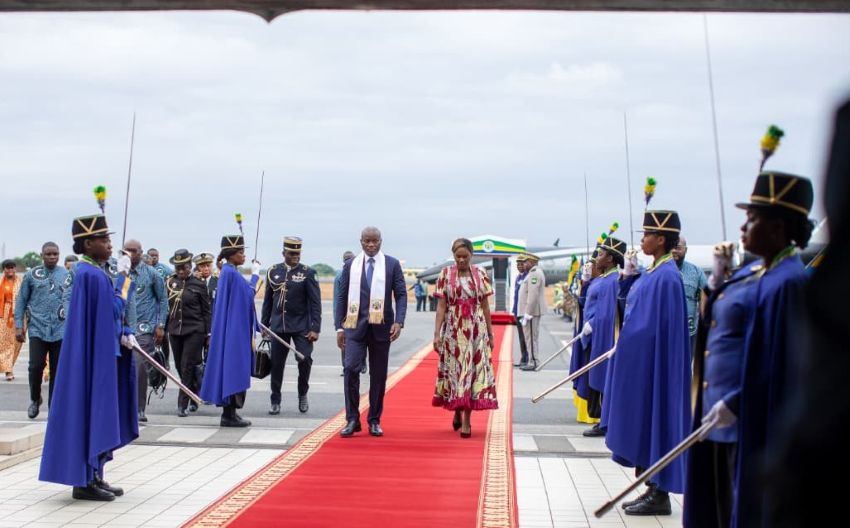
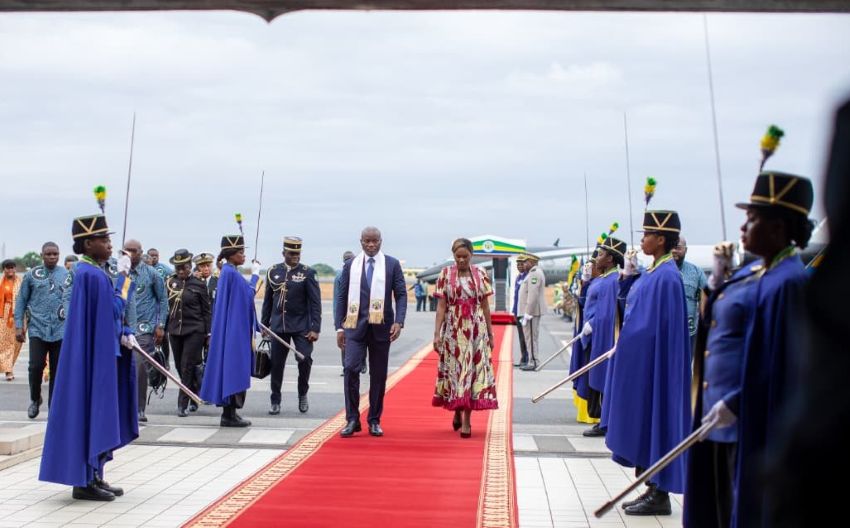
Libreville, August 8, 2026 – From July 27 to August 7, 2026, President Brice Clotaire Oligui Nguema embarked on a landmark African tour. Upon returning to Libreville, the Gabonese leader is now facing a far greater challenge: turning diplomatic rhetoric into tangible economic gains.
The success of this journey will no longer be measured by the number of handshakes or signed memoranda, but by the concrete outcomes it produces. Investments must flow, infrastructure must rise, jobs must be created, and Gabonese businesses must gain new market access. This was the unspoken expectation that accompanied every meeting.
From diplomatic courtesy to economic leverage
The tour’s agenda was deliberately structured around high-impact sectors: infrastructure, energy, agriculture, workforce training, trade, and investment attraction. This signals a clear departure from traditional diplomacy, which often prioritizes protocol over practical benefits. Gabon’s foreign policy is now positioned as a strategic tool to accelerate the country’s economic transformation.
The visit to Côte d’Ivoire exemplified this new approach. In Abidjan, President Oligui Nguema inspected industrial zones, toured key infrastructure projects, and engaged with major economic actors, including NSIA and Aurion Capital. The focus was squarely on investment opportunities and energy sector collaboration—areas critical to Gabon’s diversification efforts.
This strategy aligns with a broader national ambition: to diversify the economy and maximize the value of Gabon’s natural resources. Diplomacy, in this context, is no longer just about bilateral relations—it’s about securing capital, technology, expertise, and market access. The tour thus served a dual purpose: reinforcing state-to-state ties while positioning Gabon as an attractive investment destination.
African solidarity meets economic interdependence
The tour also underscored Gabon’s evolving role within continental dynamics. Libreville is seeking deeper economic integration with African partners, moving beyond mere solidarity to forge relationships rooted in mutual economic interests.
Côte d’Ivoire’s experience offers a compelling case study. Abidjan’s aggressive push into industrialization, infrastructure development, and private sector mobilization has significantly boosted its regional economic influence. By studying Côte d’Ivoire’s urban planning, industrial output, and mobility systems, President Oligui Nguema wasn’t just fulfilling a diplomatic duty—he was gathering actionable insights to inform Gabon’s own development choices.
This approach redefines the Gabon-Côte d’Ivoire partnership. Cooperation is no longer confined to state-level agreements; it now encompasses shared learning, joint financing, industrial collaboration, and skills transfer. Similar principles guided engagements in other capitals during the tour.
The true test, however, lies in implementation. Promises made during the tour will only matter if they translate into concrete projects. Will investments materialize? Will jobs be created? Will new markets open for Gabonese businesses? These are the questions that will determine the tour’s legacy.
The shift from promises to delivery
President Oligui Nguema’s return to Libreville marks the beginning of a critical evaluation phase. Diplomatic success cannot be measured by the volume of agreements signed but by their real-world impact. The Gabonese presidency will now be judged by hard indicators: the number of active investments, job creation figures, completed projects, technology transfers secured, and expanded market access for local enterprises.
The tour has strengthened Gabon’s diplomatic positioning and opened new avenues for cooperation. But a foreign policy is only as effective as its ability to drive domestic development. The challenge now is to ensure that this renewed diplomatic energy translates into tangible improvements in Gabonese lives.
The white presidential sash bearing Gabon’s coat of arms, worn throughout the tour, symbolizes the country’s dual commitment: preserving national identity while embracing continental opportunities. Symbolism alone, however, will not suffice.
The president’s next foreign engagement may well be measured not by miles traveled, but by projects delivered. Gabon now has a diplomatic window to attract partners, negotiate investments, and learn from successful African models. The task ahead is to prove that this revamped diplomacy can become a powerful engine for economic transformation.
The stage is set. The objective is clear: to ensure that Gabon’s foreign policy evolves from a mere showcase into a key driver of national development.
Comments are closed, but trackbacks and pingbacks are open.