From political campaigns to prison bars: one year of Succès Masra’s detention
A year has passed since Chad’s authorities arrested and sentenced Succès Masra, a prominent opposition figure and former Prime Minister, whose continued imprisonment on politically motivated charges exposes the government’s intolerance toward dissent.
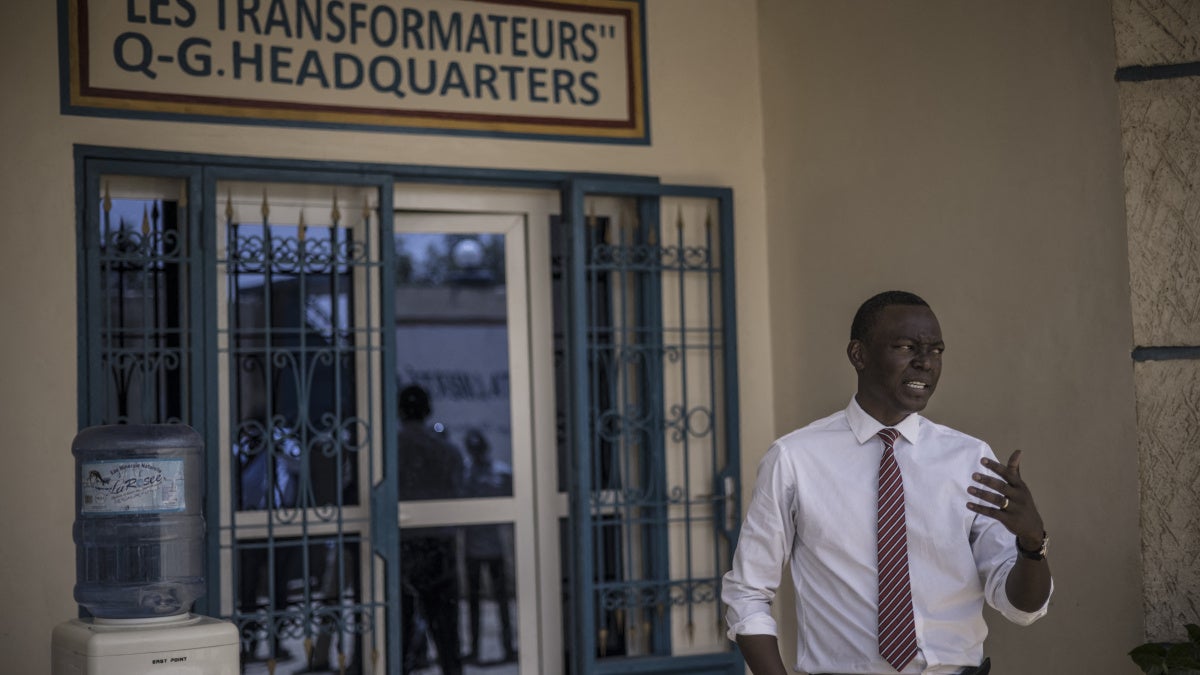
Succès Masra, leader of the Les Transformateurs party, was taken from his N’Djamena home in the early hours of 16 May 2025. His detention followed violent intercommunal clashes in Logone Occidental Province on 14 May, which left dozens dead. Shortly after the tragedy, Masra used social media to offer condolences to victims, declaring that “no Chadian life should be treated as disposable.”
Legal proceedings and heavy sentences
In August 2025, a Chadian court found Masra guilty of “disseminating hateful and xenophobic messages” and “complicity in murder,” sentencing him to 20 years in prison. Despite maintaining his innocence, he was tried alongside dozens of co-defendants, most of whom received identical 20-year terms. The court also imposed substantial fines on the accused.
Following the verdict, Masra’s legal team filed an appeal, which remains pending before the Supreme Court.
Widening crackdown on opposition voices
While clashes between herders and farmers have long plagued southern Chad, Masra’s arrest reflects a broader pattern of suppressing political opposition. Before the May 2024 presidential election—where he ran against then-Interim President Mahamat Idriss Déby—Masra and his supporters faced threats, arbitrary arrests, and even the assassination of a key opposition figure ahead of the vote, with no subsequent investigation.
After the election, Masra alleged widespread irregularities in the results.
Security forces have also used excessive force against demonstrators, most notably during protests in 2021 and 2022, resulting in multiple fatalities and injuries. Hundreds were detained without cause, some enduring mistreatment. On 8 May 2026, eight opposition leaders were tried and sentenced to eight years in prison for “rebellion” and “insurrectional movement” after attempting to organise a banned pro-democracy rally.
Regional bodies urged to intervene
A year after Masra’s arrest, the Supreme Court is set to review his appeal. Meanwhile, regional actors, including the Economic Community of Central African States (ECCAS), have yet to enforce democratic safeguards in Chad. Analysts urge these organisations to apply pressure on Chadian authorities to uphold political rights and honour agreements like the Kinshasa Accord, which was meant to protect opposition activities—including those of Succès Masra.
Comments are closed, but trackbacks and pingbacks are open.