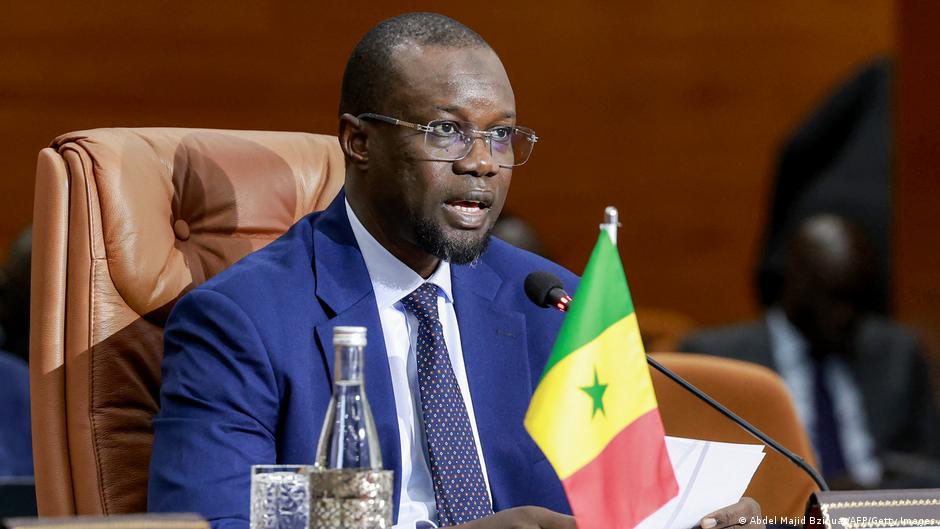
The political landscape in Senegal is becoming increasingly tense, particularly following the power struggle between Bassirou Diomaye Faye, the nation’s president, and Ousmane Sonko, the newly elected president of the National Assembly. Critics of Sonko find themselves in a precarious position, as his staunch supporters take to social media to silence opposing voices with aggressive campaigns.
Civil society leaders and journalists have raised alarms about the growing climate of intimidation across the country. Those who dare to challenge Sonko‘s policies or actions often face relentless online harassment orchestrated by members of his PASTEF party. This digital aggression has fostered a culture of self-censorship, leaving many reluctant to voice dissent openly.
Media freedom under scrutiny
After assuming office as Prime Minister in early April 2024, Sonko delivered a stern warning to the media, asserting: “We will no longer tolerate irresponsible reporting that undermines individuals without credible evidence.”
Judicial independence questioned
Sonko has also repeatedly undermined trust in Senegal’s judicial system. In November 2025, during a public address, he accused certain judges of obstructing financial investigations, perpetuating what he termed as the corrupt “old system.” These remarks sparked outrage among legal professionals, deepening concerns over the politicization of justice.
Women’s rights: a step backward
Alarming trends are emerging in gender equality as well. Activist Ossama Monique Sagna points out a concerning regression in women’s representation in government. Following the transition in leadership, the number of female cabinet members dropped from seven under former President Macky Sall to just four under Sonko. This decline—representing roughly 13% of positions—has drawn sharp criticism from advocates of gender parity.
Sagna highlights the stagnation of key feminist demands, including reforms to the Family Code, full implementation of the Maputo Protocol, and stronger protections against gender-based violence. She notes that despite frequent calls for action, structural progress remains elusive. In 2025 alone, at least 18 femicides were recorded, underscoring the urgent need for systemic change.
“The same issues persist because political will is lacking,” she states. “Femicides and gender violence continue to rise, yet responses from authorities are disappointingly weak.”