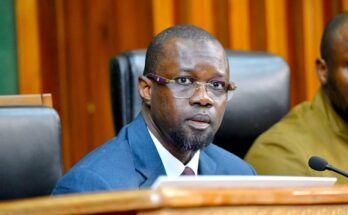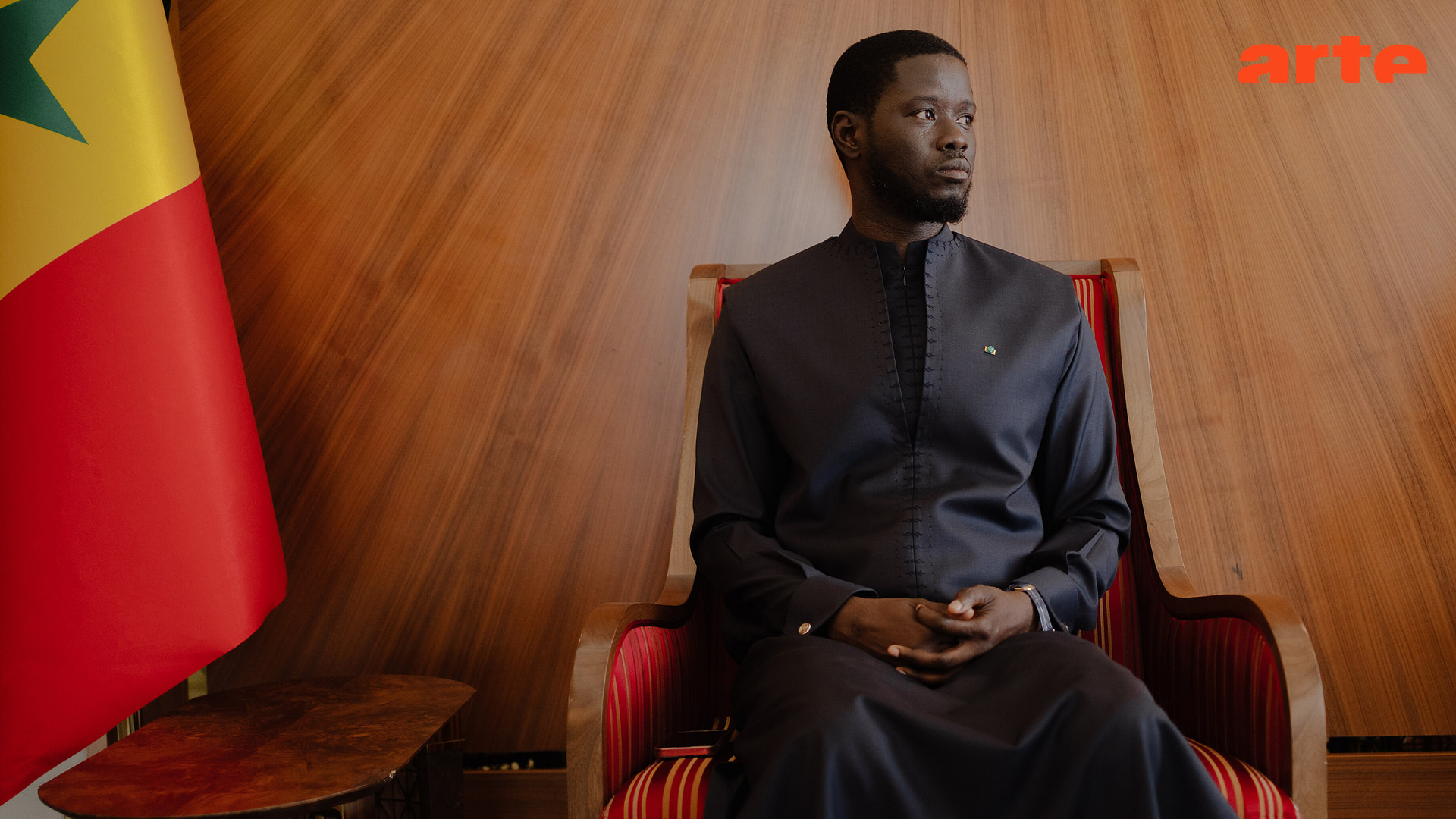
The West African nation of Senegal is grappling with escalating political and societal unrest that has left citizens and observers questioning the country’s stability. Tensions reached a critical point on May 22, 2026, when President Bassirou Diomaye Faye dismissed his longtime ally and former Prime Minister Ousmane Sonko, who was subsequently elected as Speaker of the National Assembly on May 26, 2026.
This abrupt power shift has intensified debates about governance and the future direction of the country. Compounding the political volatility, Senegal enacted a controversial law in March 2026 that significantly tightens penalties for homosexuality, sparking widespread controversy and raising concerns about human rights and social cohesion.
a nation at a crossroads
With these dual crises unfolding, Senegal now faces a precarious moment. The political upheaval, marked by the removal of a key figure from the presidential circle, has reverberated across the nation, while the stringent new legislation has drawn condemnation from both domestic and international observers. The combination of these events has fueled anxieties about the country’s trajectory and the potential for deeper divisions within society.
what lies ahead for Senegal?
The coming weeks and months will be crucial in determining whether Senegal can navigate these challenges without further destabilization. The decisions made by President Faye and the reactions from civil society, opposition groups, and the international community will shape the nation’s path forward. As the situation evolves, the world watches closely to see if Senegal can reclaim its reputation as a stable democracy in the region or if it will succumb to growing turmoil.