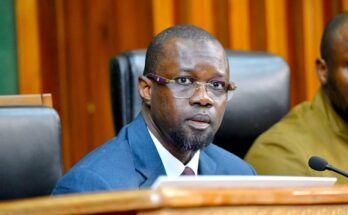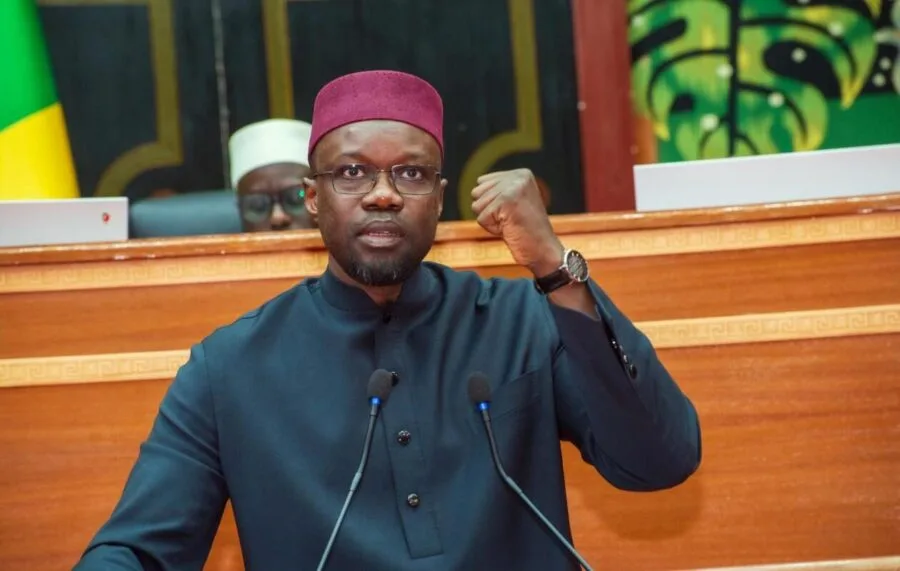
The Prime Minister of Senegal, Ousmane Sonko, is set to take center stage at the National Assembly this Friday, May 22, 2026, for a pivotal session of questions to the government. The event, announced by the Assembly President El Malick Ndiaye, will unfold against a backdrop of intense political debates, economic concerns, and social expectations that have dominated public discourse in recent weeks.
Political stakes overshadow routine parliamentary exercise
While the session is traditionally a formal exercise where deputies scrutinize government policies and national priorities, the current political climate in Senegal has transformed it into a high-stakes political showdown. Beyond the usual economic and social challenges—such as the rising cost of living, youth unemployment, infrastructure development, agriculture, and budgetary perspectives—several contentious political issues are poised to dominate the discussions.
A contested electoral reform at the heart of tensions
The proposed electoral code reform has become a lightning rod for criticism from the opposition, which accuses the government of crafting a law designed to favor the ruling party, Pastef. Accusations of a “tailor-made” legislation have intensified, with detractors arguing that the reforms disproportionately benefit President Bassirou Diomaye Faye and his party. The Prime Minister is expected to address these concerns head-on, clarifying the government’s position on a reform that has sparked widespread debate.
Institutional reforms under scrutiny
The government has also announced sweeping institutional reforms aimed at modernizing public governance and strengthening democratic mechanisms. However, the opposition has warned against any changes that could be perceived as unbalanced or lacking broad consensus. Sonko’s presence at the Assembly presents an opportunity to outline the government’s vision for these reforms, including their timeline, implementation modalities, and intended objectives. The dialogue initiated by the President, which brings together all national stakeholders, is another topic likely to feature prominently in the discussions.
Social and economic priorities take center stage
For many Senegalese families, the cost of living remains a pressing concern. The session will also address pressing social issues such as youth employment, public investment, and purchasing power. With persistent economic uncertainties both regionally and internationally, the government will be pressed to provide concrete responses to these challenges. Sonko’s participation in the session will allow him to defend his government’s track record, explain key policy choices, and outline future orientations—an exercise that could shape public perception as the country approaches critical electoral milestones.
A defining moment ahead of key elections
The upcoming local elections and the 2029 presidential race loom large over the political landscape, adding further weight to this parliamentary session. With debates raging over the electoral code, institutional reforms, and the dynamics between the executive branch and the ruling party, Ousmane Sonko will face a national political stage where every statement could serve as a positioning marker. The session on May 22 is not merely a procedural exercise but a potential turning point in Senegal’s political narrative, offering the Prime Minister a platform to address speculation, reaffirm his leadership, and outline a vision for the country’s future.