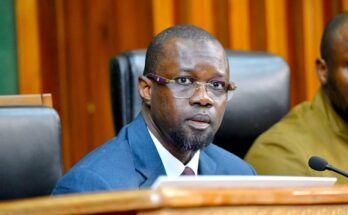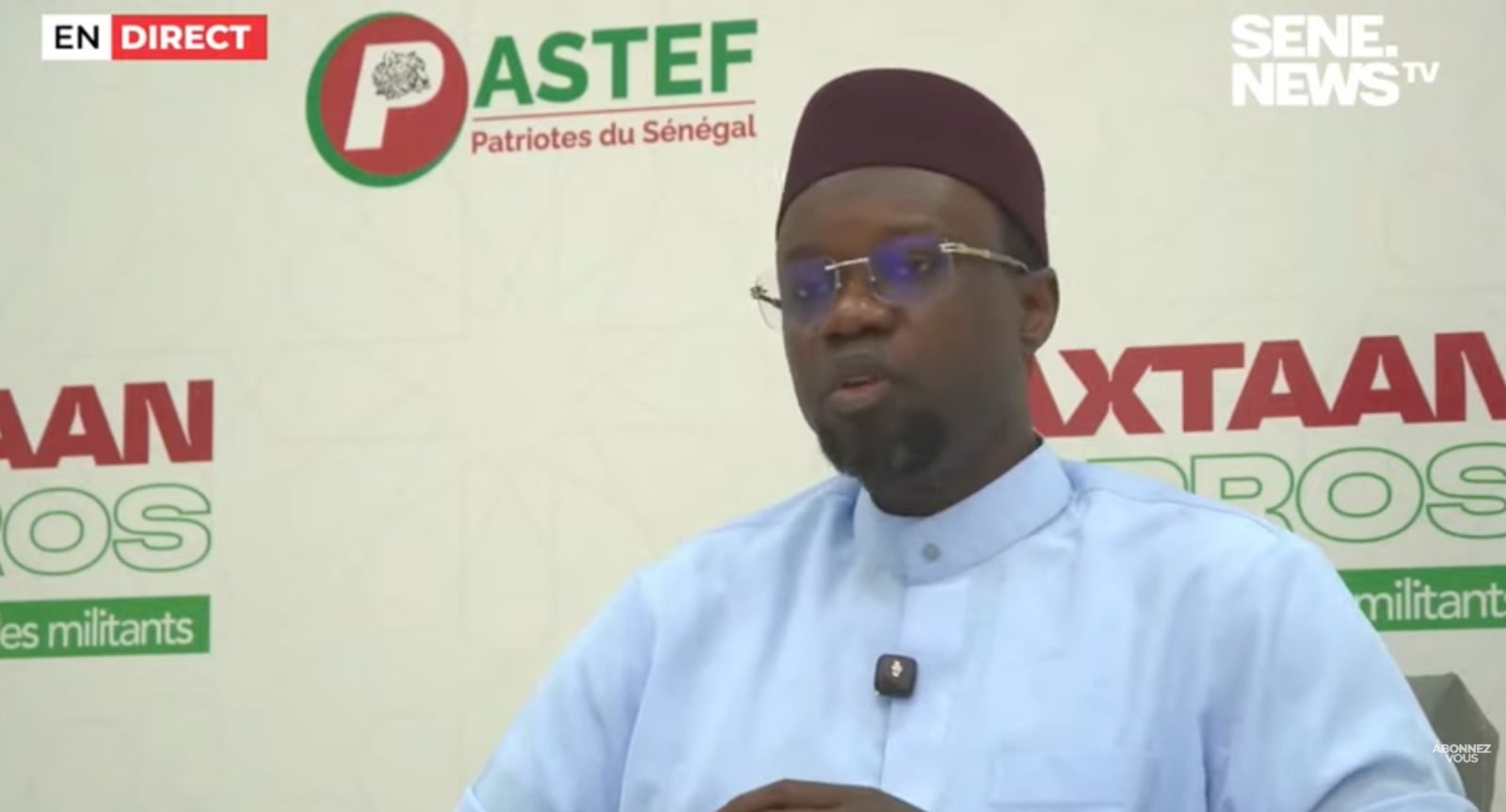
This Friday, Ousmane Sonko will address the National Assembly in Dakar, stepping into the political spotlight amid intense national debate. The occasion marks the traditional session of Questions to the Government, a platform where elected officials scrutinize executive actions. However, this time, the stakes are higher than ever, following the recent overhaul of the electoral code.
The amendments to articles L.29 and L.30 of the electoral framework have triggered sharp divisions between the ruling majority and the opposition. Critics argue these changes could significantly alter the electoral landscape, raising questions about eligibility and civil rights for key political figures. The government, on the other hand, defends the reforms as necessary for legal clarity and democratic integrity.
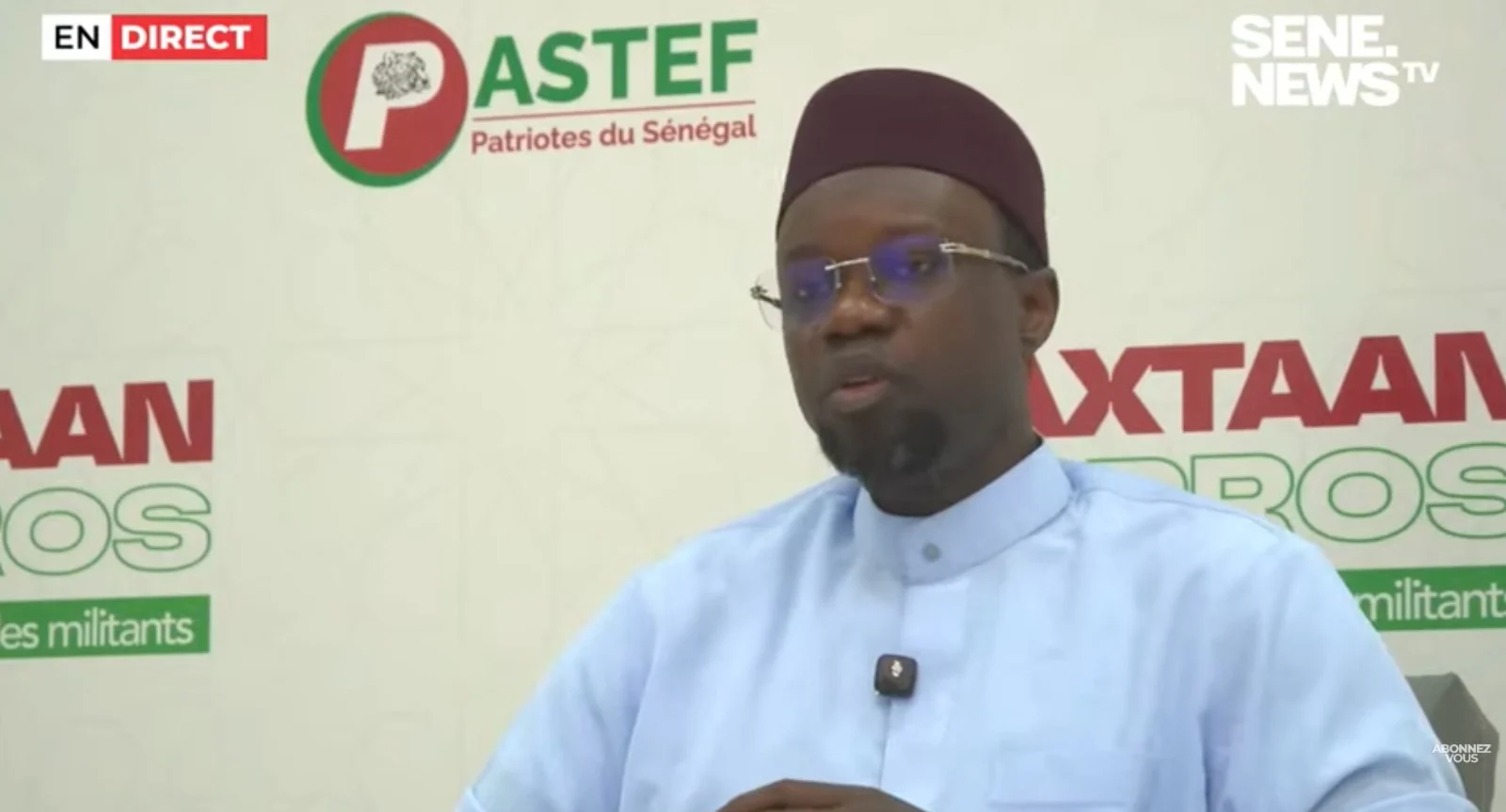
High-stakes political exchange
Sonko’s appearance comes at a pivotal moment, as the National Assembly prepares for what promises to be one of its most contentious sessions in years. The opposition has lambasted the reforms, describing them as unilateral moves that could undermine the integrity of future elections. Meanwhile, the government insists the changes are designed to strengthen the legal framework governing political participation.
As Ousmane Sonko, who serves as both Prime Minister and leader of the PASTEF party, takes the floor, he will be expected to articulate the executive’s stance. His address will likely focus on justifying the reforms’ legal soundness and their alignment with national interests. With economic stability and social cohesion hanging in the balance, the session will also touch on pressing concerns such as inflation, unemployment, and national security.
Economic and social backdrop
The timing of this address is no coincidence. Senegal is navigating a complex economic environment, where global uncertainties—particularly tensions in the Middle East—are impacting fuel prices and trade. Domestically, citizens continue to voice demands for better governance, transparency, and economic opportunity. The government faces the dual challenge of reassuring investors while addressing public frustration over rising living costs.
In this context, the Prime Minister’s remarks will be closely watched. Will he outline measures to stabilize the economy? How will he reconcile the need for electoral reform with the imperative of social peace? These are the questions that will dominate the discourse in the Assembly—and beyond.
What to expect from the session
- Legal and political debates: A deep dive into the implications of articles L.29 and L.30, with both sides presenting starkly different interpretations.
- Economic reassurance: Efforts by the government to demonstrate that reforms will not disrupt fiscal stability or deter foreign investment.
- Public accountability: Sonko’s responses to queries on governance, accountability, and the broader socio-economic agenda.