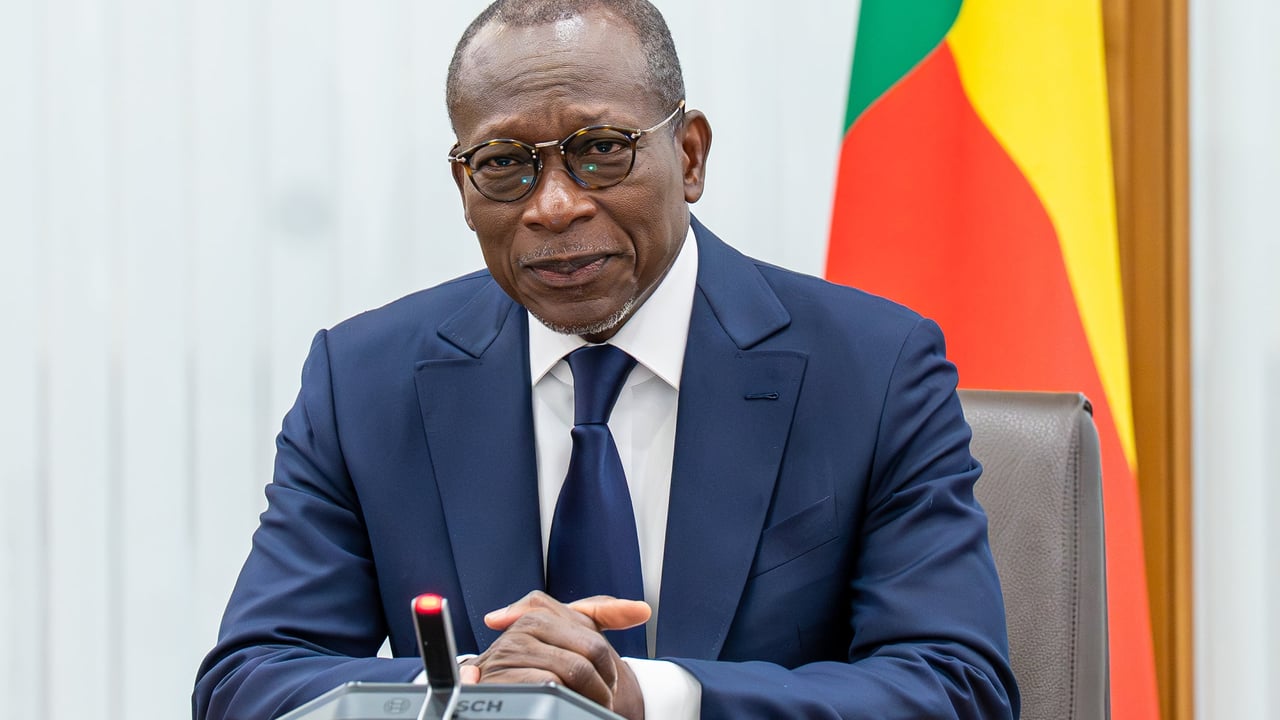

On December 13, in Cotonou, hundreds gathered—mostly young people—to protest a failed coup attempt that had unfolded just six days earlier. On December 7, mutineers had declared on national television that they had overthrown President Patrice Talon. Yet by the end of that chaotic day, the army had successfully thwarted the coup with decisive support, restoring constitutional order.
a leader defying conventions
Patrice Talon, often described as an unconventional leader, has steered Bénin through turbulent times. Since assuming office in 2016, he has implemented sweeping reforms aimed at modernizing governance, combating corruption, and fostering economic growth. His pragmatic approach blends bold initiatives with steadfast commitment to democratic principles—even when faced with adversity.
Among his most notable achievements:
- Economic reforms: Streamlining bureaucracy, reducing public debt, and attracting foreign investment through investor-friendly policies.
- Digital transformation: Launching platforms like MonFichier to digitize public services and enhance transparency.
- Social progress: Expanding access to education and healthcare, particularly in rural areas.
- Regional diplomacy: Strengthening ties with neighboring countries while maintaining neutrality in continental disputes.
Despite these accomplishments, Talon has not been immune to criticism. Some opponents argue that his centralized leadership style risks undermining pluralism, while others question the pace of judicial reforms. Yet his resilience in the face of challenges—including the recent coup attempt—has reinforced his image as a leader who prioritizes stability and progress over populist rhetoric.
Benin’s resilience in the face of instability
The failed coup exposed deeper tensions within Bénin’s political landscape. While the mutiny was swiftly quelled, it underscored the fragility of institutions in West Africa. The swift mobilization of security forces and the overwhelming public support for constitutional governance demonstrated the nation’s commitment to democracy.
Talon’s response to the crisis further solidified his reputation as a decisive leader. Within hours, he addressed the nation, denouncing the putschists and reaffirming his administration’s dedication to democratic values. His actions not only quelled unrest but also sent a clear message: Bénin will not tolerate threats to its hard-won stability.
lessons for west africa
The events in Bénin serve as a case study for the region. In an era where military takeovers and political instability plague neighboring nations, Bénin stands out as a beacon of democratic resilience. Patrice Talon’s leadership offers valuable insights into how proactive governance, transparency, and citizen engagement can safeguard democracy.
As Bénin continues to navigate challenges, one thing remains clear: its president is not just an anomaly in African politics—he is a symbol of unwavering determination to build a prosperous, stable future for his people.
Comments are closed, but trackbacks and pingbacks are open.