A glimmer of political openness in Togo after years of restrictions
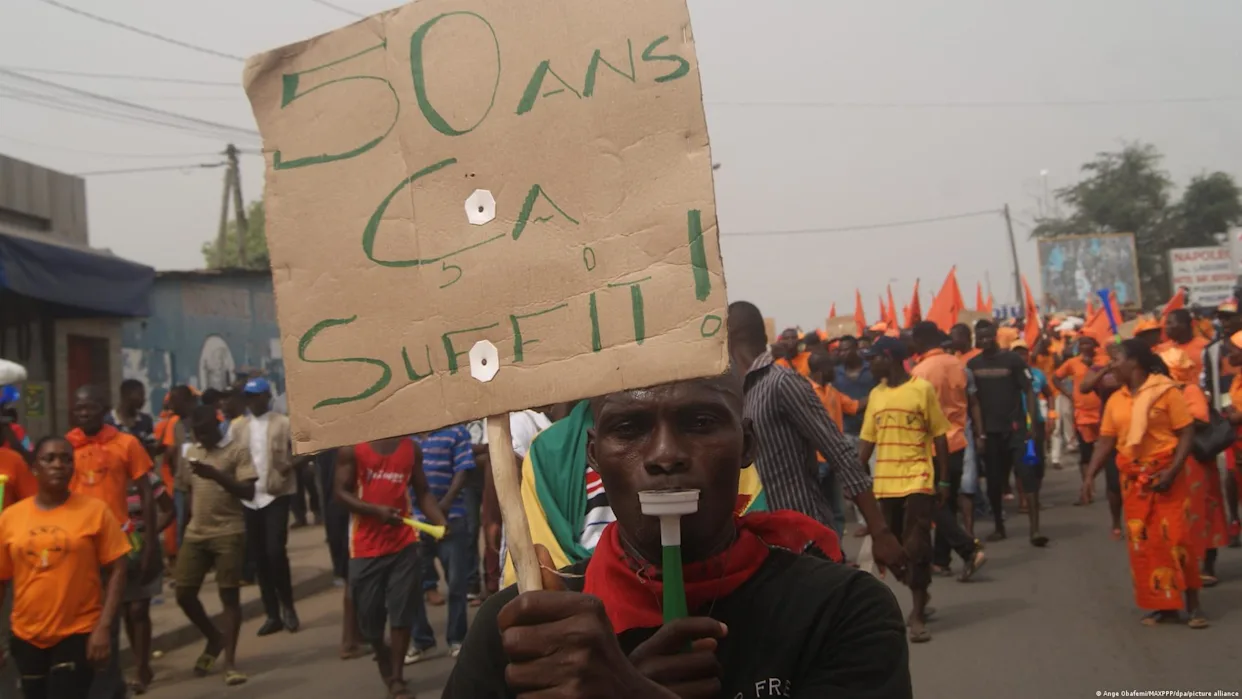
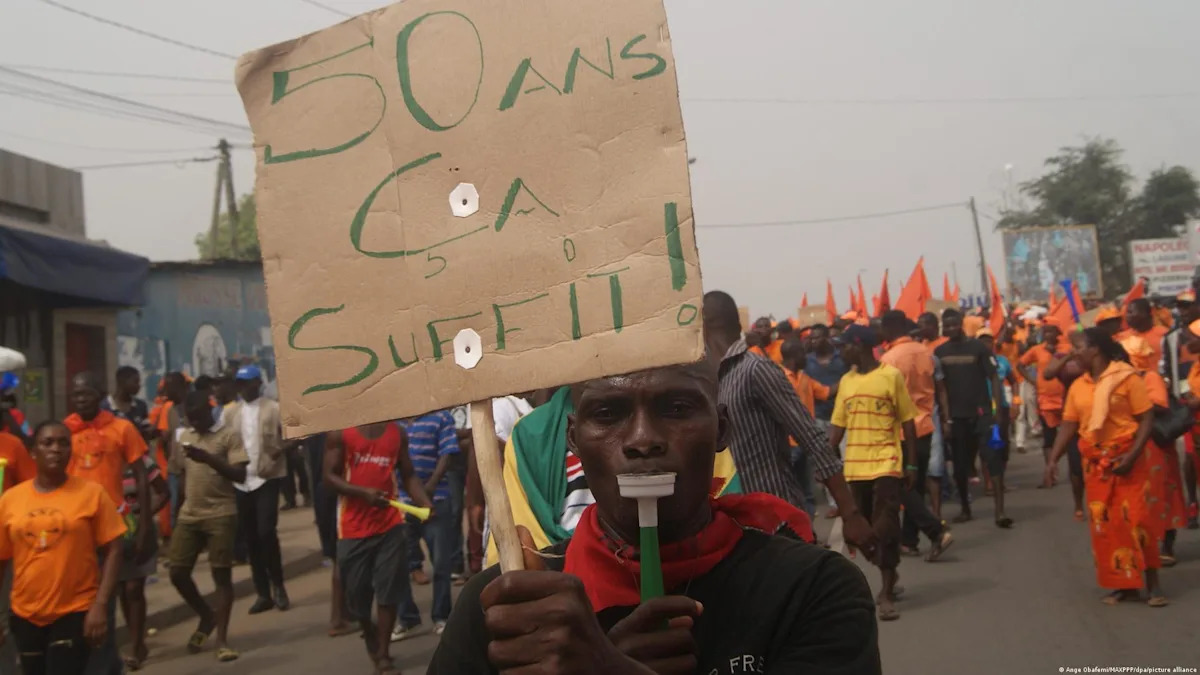
For years, public protests in Togo were either restricted or outright banned. This weekend, however, opposition groups managed to hold a legally permitted gathering in Lomé. The question now arises: is this the start of a true political thaw in Togo, or merely a brief respite in an otherwise tense climate?
CNC coalition gathers supporters
On Saturday, several hundred people attended the first public meeting of the Cadre national de concertation pour le changement au Togo (CNCC), a new coalition uniting four opposition parties and members of civil society.
Davdi Dosseh, from the Front citoyen Togo debout, one of the organizers, shared his perspective: “We demand governance change because Togo suffers from systemic corruption, crumbling public services, and a stagnant economy. The country is not progressing.”
He went on to say: “For years, authorities have used flimsy excuses to block peaceful gatherings. But we will not give up.”
A cautious step forward
Does this government approval signal real political change? Paul Amégankpo, a political analyst and director of the Institut togolais Tamberma pour la gouvernance, urges caution.
“The Togolese government’s decision to permit the opposition’s peaceful march on May 9, 2026, in Lomé, is a positive sign, he notes. However, in the broader political context, this gesture should be viewed with caution. It may reflect a strategic move to ease restrictions on peaceful protest, association, and political activity.”
He concludes: “We must wait for further indications before concluding that the country is truly moving toward greater political and civic freedoms.”
Officials did not respond to requests for comment.
The coming weeks will reveal whether this gathering represents the dawn of a new democratic era in Togo—or simply a fleeting pause in an enduringly tense political landscape.
Related Posts