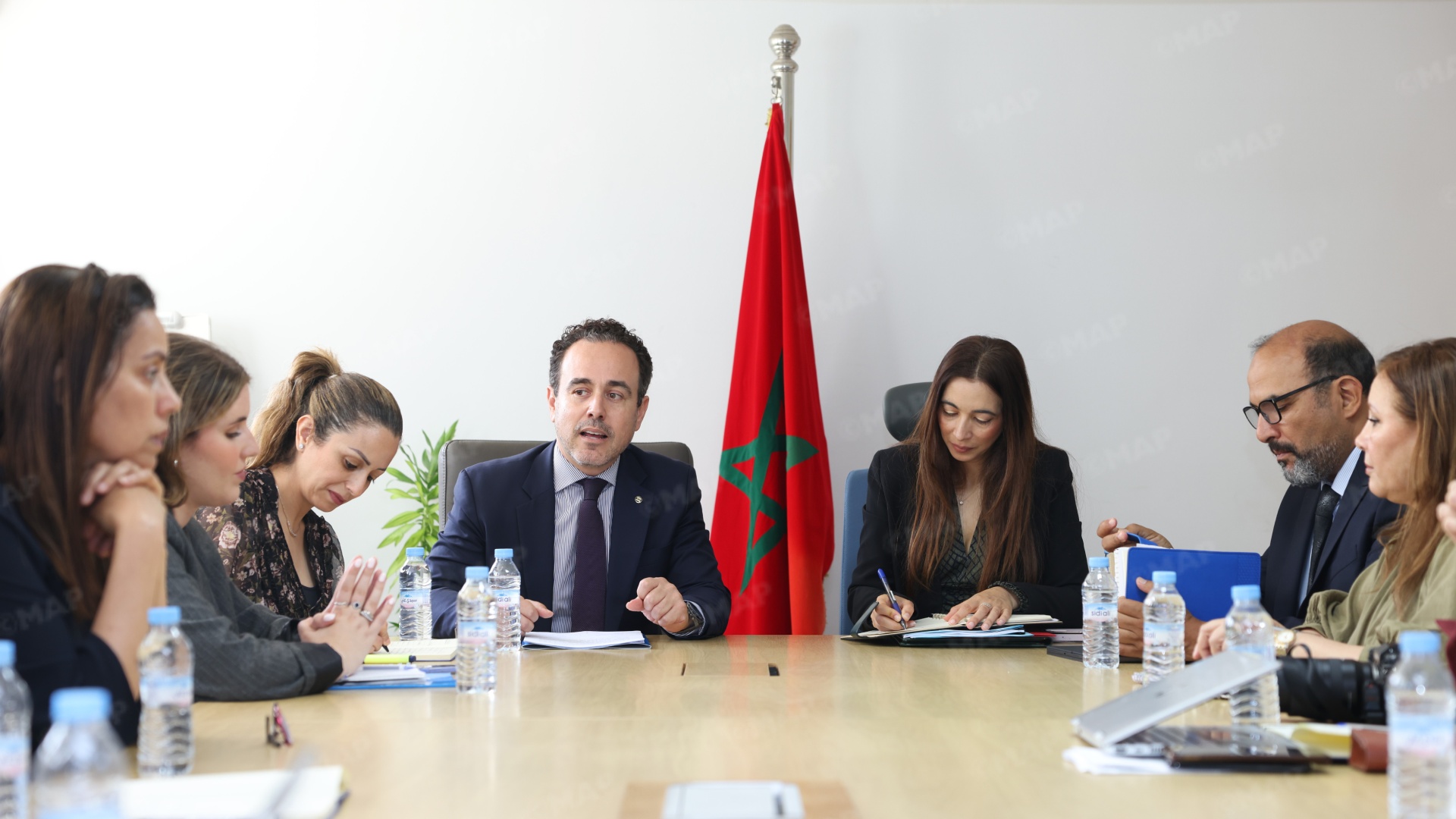
Rabat witnessed a landmark recognition when the UNESCO highlighted the scientific excellence of Morocco’s National Institute for Agricultural Research (INRA) in safeguarding the nation’s genetic heritage and biodiversity.
During a high-level meeting in the capital, Mr. Charaf Ahmimed, Director of UNESCO’s Maghreb Regional Office, commended the INRA’s pioneering efforts in preserving Morocco’s agricultural genetic resources. The initiative aligns with global sustainability goals and underscores the country’s commitment to biodiversity conservation.
Morocco’s agricultural research gains global recognition
The INRA, a leading institution under Morocco’s Ministry of Agriculture, has been at the forefront of genetic preservation for decades. Its work includes documenting indigenous plant varieties, developing resilient crop strains, and promoting sustainable farming practices that adapt to climate challenges.
UNESCO’s endorsement reflects the international significance of these efforts. The agency emphasized how Morocco’s approach could serve as a model for other African nations facing similar ecological pressures. By integrating traditional knowledge with modern biotechnology, the INRA is setting new standards in agricultural innovation.
Key achievements of the INRA
- Preservation of endemic species: The institute maintains seed banks and genetic databases critical for future crop development.
- Climate-resilient agriculture: Research focuses on drought-resistant crops to mitigate the impact of water scarcity in arid regions.
- Collaborative networks: Partnerships with international organizations and regional agricultural bodies enhance Morocco’s influence in global food security discussions.
A step toward sustainable development
Morocco’s leadership in genetic heritage preservation is not just a scientific achievement—it is a strategic move toward long-term food sovereignty. The INRA’s work ensures that future generations will have access to diverse, resilient agricultural resources, even amid environmental uncertainties.
The recognition by UNESCO also highlights the cultural and economic value of Morocco’s agricultural traditions. By protecting indigenous crops, the country preserves its culinary heritage and strengthens its position in global agricultural markets.
Future prospects for Morocco’s agricultural sector
The INRA’s success opens doors for expanded research funding, policy reforms, and international collaborations. With climate change threatening food systems worldwide, Morocco’s model offers a blueprint for balancing tradition and innovation.
As the world grapples with biodiversity loss and food insecurity, Morocco’s proactive stance serves as a testament to the power of scientific stewardship. The INRA’s achievements are a reminder that sustainability begins with preserving what already exists—before it’s too late.
Comments are closed, but trackbacks and pingbacks are open.