Russian mercenaries in Mali: why their losses remain low
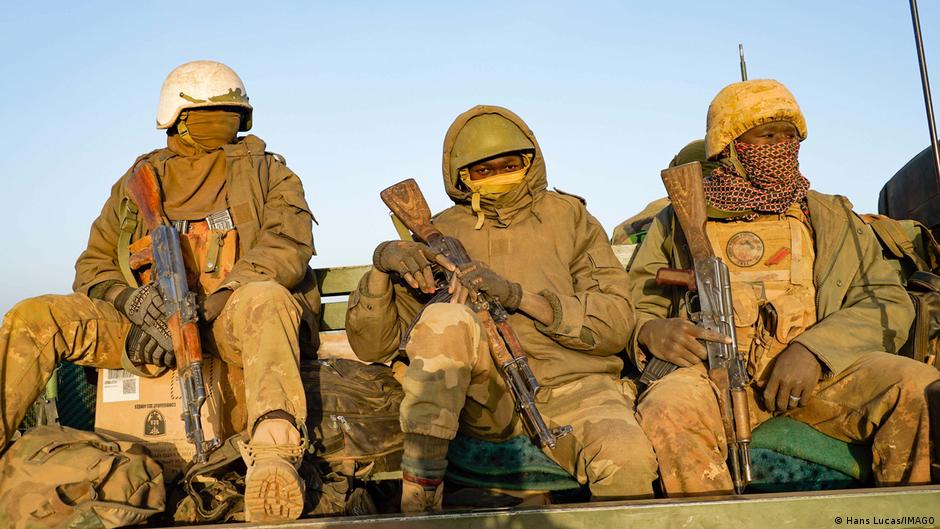
The Africa Corps paramilitaries, often referred to as Russian mercenaries, appear to experience significantly fewer casualties in jihadist attacks compared to Malian troops. This discrepancy has drawn attention from analysts, who point to several key factors explaining this trend.
In numerous attacks claimed by armed groups, reported losses overwhelmingly involve Malian soldiers, while Russian fighters remain comparatively unscathed. The question arises: what accounts for this imbalance in casualties?
Size matters in the battlefield
Analysts highlight a fundamental numerical disparity. While the Africa Corps deploys between 1,500 and 2,000 paramilitaries in Mali, the Malian Armed Forces count over 13,000 soldiers. This stark difference in troop numbers inherently increases exposure to risk for Malian forces.
Moreover, the roles of these two forces differ significantly. The Russian paramilitaries primarily serve in a support capacity, providing strategic guidance and technical assistance rather than taking frontline positions. As Mamadou Mouth Bane, an expert on Sahel jihadism and crime, explains: “The explanation is straightforward. It’s the national armies—Malian soldiers—who bear the brunt of operations. They are positioned in high-risk zones, while Africa Corps elements operate in a back-office role. Their responsibilities include managing drone data analysis and communications. Consequently, most casualties and hostages are Malians.”
Not immune to losses, but better positioned
Experts caution that Russian paramilitaries are not entirely spared from losses. Several have been killed in operations across northern and central Mali in recent years. However, precise figures remain elusive due to the lack of official disclosures from Bamako or Moscow.
Their relative resilience can be attributed to their combat experience. Unlike many Malian soldiers, Russian fighters are often veterans of multiple international conflicts, bringing advanced tactical skills to the battlefield. Additionally, they benefit from more sophisticated equipment and protective measures, reducing their direct exposure to danger.
Abdoulaye Sounaye, a Sahel researcher at the Leibniz Center Modern Oriental Studies in Berlin, notes: “We’re dealing with two distinct forces here—one a conventional army, the other a cadre of professional mercenaries with extensive combat experience. These fighters arrive in Mali with a wealth of international experience, enabling them to counter jihadist attacks effectively. Their mastery of combat techniques, combined with advanced resources—both vehicular and aerial—gives them a significant advantage over the Malian army.”
Strategic decisions also play a role. With limited numbers, Russian forces prioritize the protection of critical sites and high-stakes operations, often leaving routine territorial defense to Malian troops.