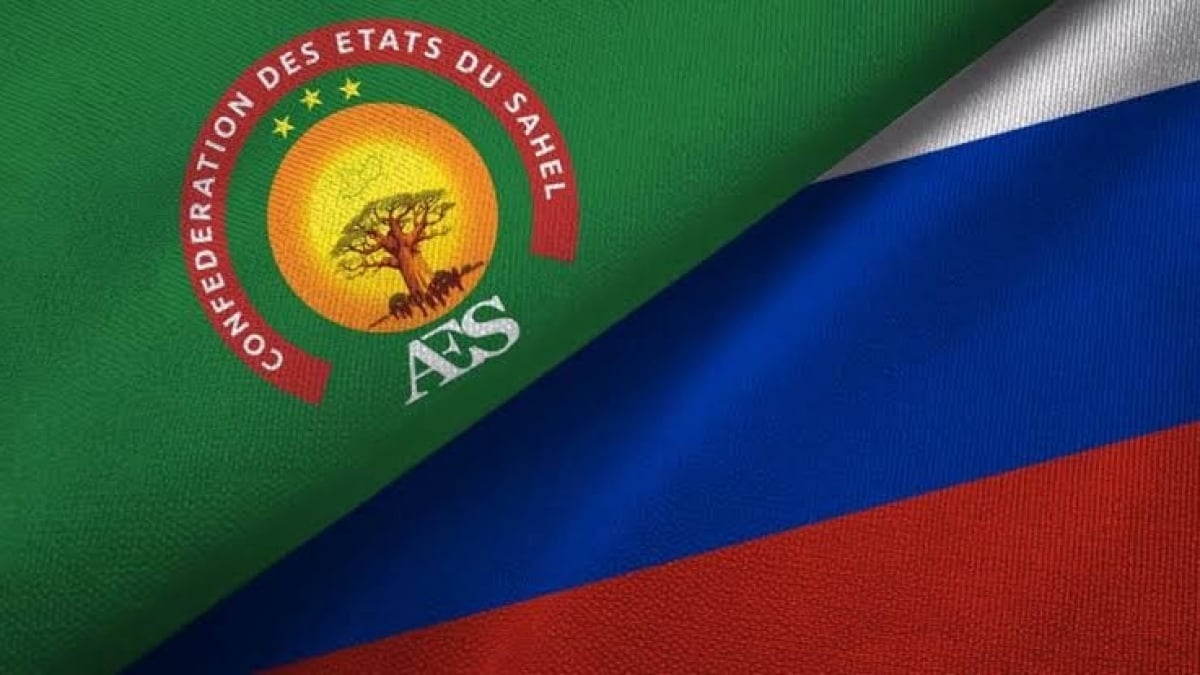
In a significant move reflecting shifting geopolitical dynamics, Russia is deepening its military collaboration with the Alliance of Sahel States (AES), comprising Mali, Burkina Faso, and Niger. The announcement follows a high-level meeting in Niamey, where Russian Foreign Minister Sergey Lavrov met with representatives of the alliance to formalize commitments in defense cooperation.
The discussions centered on bolstering joint efforts to combat extremist violence and address persistent security threats in the region. With these developments, Moscow is positioning itself as a key player in West Africa’s evolving security landscape, particularly as the three countries recalibrate their foreign partnerships.
From disengagement to new alliances
The AES was established in September 2023 through a mutual defense pact before expanding into a broader political, economic, and military integration framework. By early 2025, the alliance had taken further steps by withdrawing from the Economic Community of West African States (ECOWAS) and unveiling plans to deploy a combined military force of approximately 5,000 troops. This force aims to enhance counterterrorism operations and strengthen border security across member states.
Russia’s engagement with the AES marks a strategic pivot, replacing the former role of private military contractors with a more structured military presence. The newly formed Russian Army Corps in Africa has been deployed to reinforce this shift, solidifying Moscow’s influence in a region where traditional partnerships have faltered.
Challenges beyond military support
While enhanced defense cooperation may provide immediate relief in combating armed groups, analysts caution that long-term stability hinges on addressing deeper systemic issues. Factors such as weak governance, economic disparity, climate-induced challenges, and resource competition continue to fuel instability. Without tackling these root causes, military interventions alone may offer only temporary solutions.
The growing Russian presence in the Sahel underscores a broader trend of shifting alliances in West Africa, where nations are seeking alternatives to long-standing Western security frameworks. As the AES strengthens its military and political cohesion, the implications for regional security and global geopolitics remain a subject of intense scrutiny.
Comments are closed, but trackbacks and pingbacks are open.