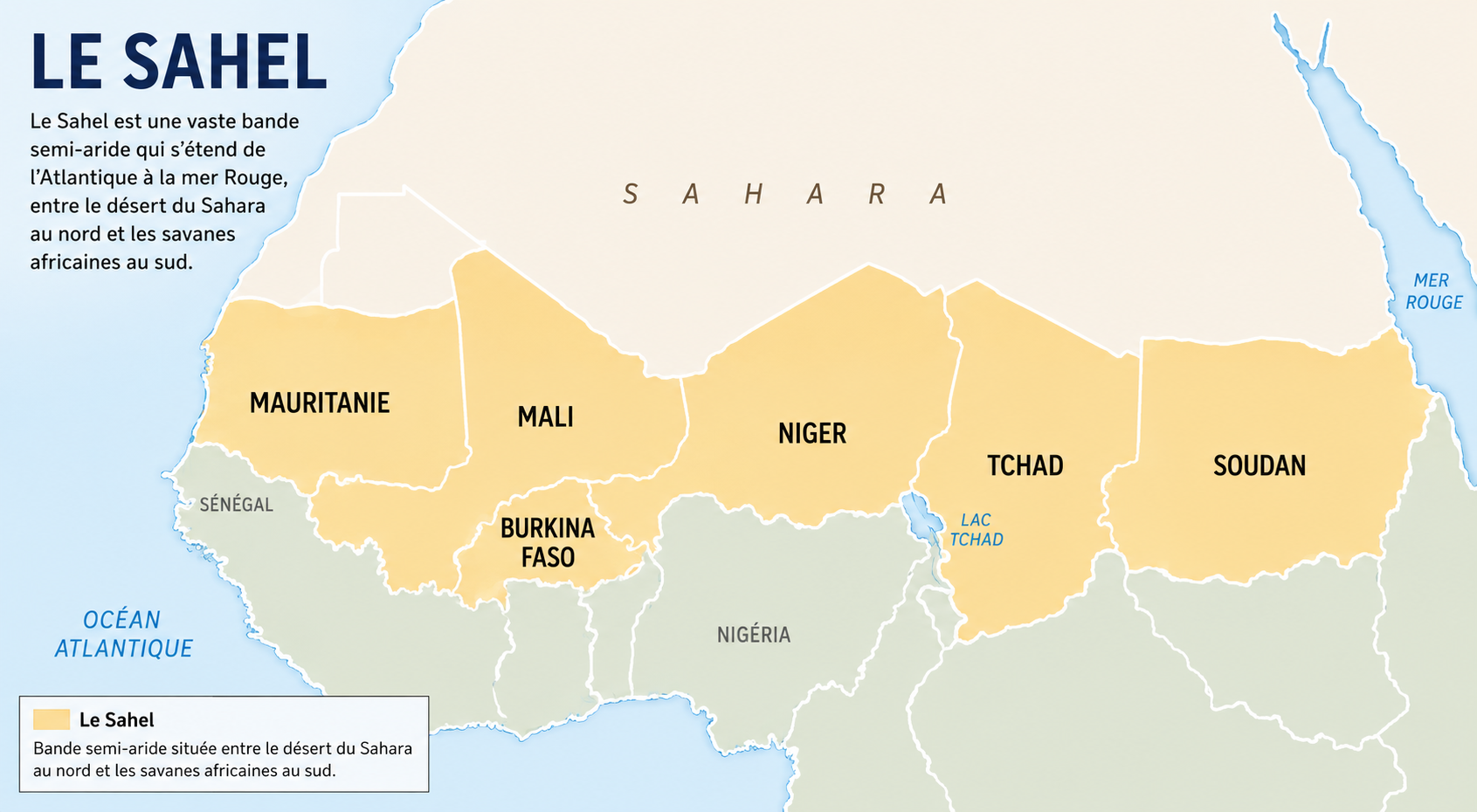
The Sahel is sliding deeper into one of the world’s most overlooked humanitarian catastrophes, with over 24 million people in urgent need of assistance in 2026. While global focus remains fixed on conflicts in Eastern Europe and the Middle East, communities across the Sahel face an escalating emergency that demands immediate international attention.
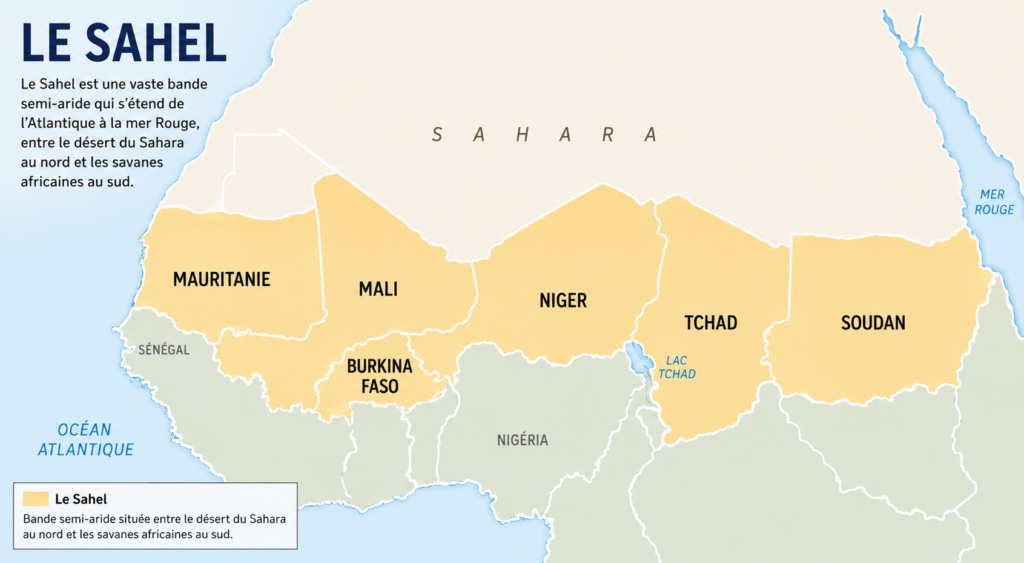
From Mauritania and Senegal to the heart of the Sahel in Mali, Burkina Faso and Niger, families are caught in a perfect storm of overlapping crises. Armed violence, mass displacement, surging inflation, extreme weather and crippling food insecurity are pushing households to the brink of survival.
United Nations data reveals a bleak outlook: between June and August — the lean season before harvests — an estimated 15.5 million people could face acute food shortages or worse. Among them, over 1.5 million are on the verge of famine, requiring urgent lifesaving interventions.
The human cost behind these numbers is stark. Parents skip meals to feed their children, farmers abandon fields for lack of seeds and fertilizers, children abandon education to support their families, and entire villages flee violence with nothing but the clothes on their backs.
International aid failing to keep pace with growing needs
Humanitarian agencies warn that funding shortfalls are reaching crisis levels. In 2025, only 29% of required funds were secured for Sahel operations — the lowest in decades. This has forced agencies to scale back programs, suspend critical services or withdraw from highly vulnerable areas altogether.
The timing could not be worse. Global economic strains, including energy and transport price surges linked to geopolitical tensions, are inflating the cost of food and essential services. These price hikes hit communities already weakened by years of instability. Every dollar not received translates directly into fewer school meals, less protection for women and children, reduced access to healthcare and shuttered educational opportunities.
Armed groups expand influence, deepening insecurity
The food crisis is inseparable from a deteriorating security landscape. Violence that once concentrated in central Sahel states is now spreading toward West African coastal nations. Armed factions continue to expand their control, triggering mass displacements and shutting down vital services. Nearly 12,900 schools have closed, depriving over 2.3 million children of education.
Humanitarian experts warn this educational void threatens an entire generation. With limited economic prospects and few alternatives, vulnerable youth become prime targets for recruitment by armed groups seeking to exploit desperation and lack of opportunities.
Climate shocks compound human suffering
To political instability and insecurity must be added the relentless pressure of climate change. Since early 2026, nearly 590,000 people have been affected by catastrophic flooding, while prolonged droughts and creeping desertification steadily shrink arable land and water resources.
The Sahel, despite contributing minimally to global warming, bears the brunt of its consequences. Erratic rainfall, scorching temperatures and soil degradation are eroding the very foundations of rural livelihoods, pushing communities deeper into poverty.
United Nations officials stress that solutions exist — but only if funding gaps are closed rapidly. Without urgent additional support, millions more could slip into catastrophic conditions as the crisis intensifies in the coming months.
Related Posts