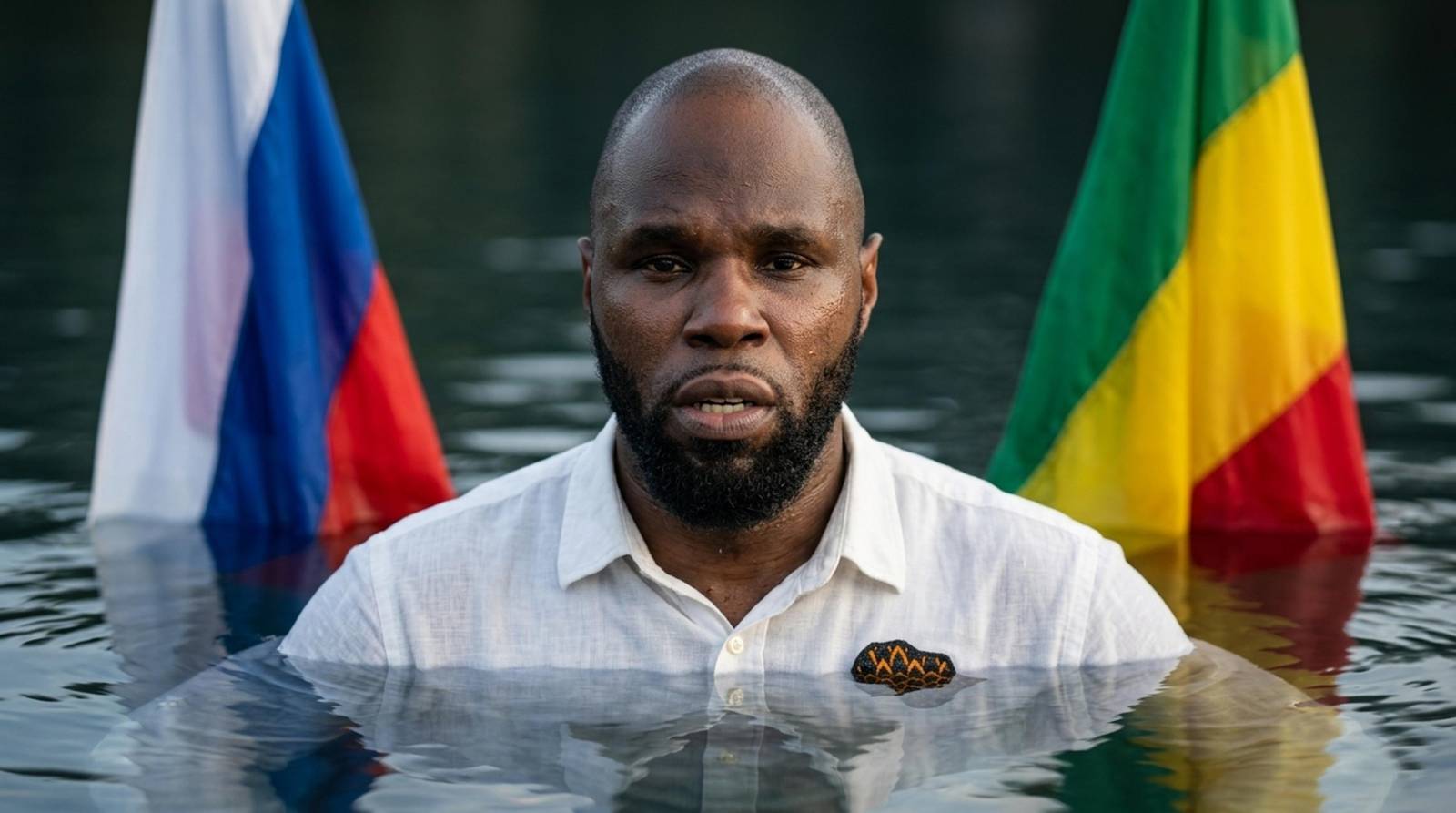
The situation in the Sahel demands urgent reassessment. With violence escalating in Mali, even the most fervent panafricanist ideologues are beginning to question their assumptions. Military setbacks and political miscalculations have exposed the fragility of externally-driven security strategies in the region.
Military setbacks expose the limits of Russian support
The coordinated attacks on Kati and Kidal military bases have sent shockwaves through the region. Despite the much-touted deployment of the Africa Corps, the audacity of armed groups has laid bare the shortcomings of Moscow’s promised security shield. These bold strikes in critical zones underscore a harsh truth: reliance on foreign military partnerships may not deliver the promised stability, especially when local realities diverge from foreign interests.
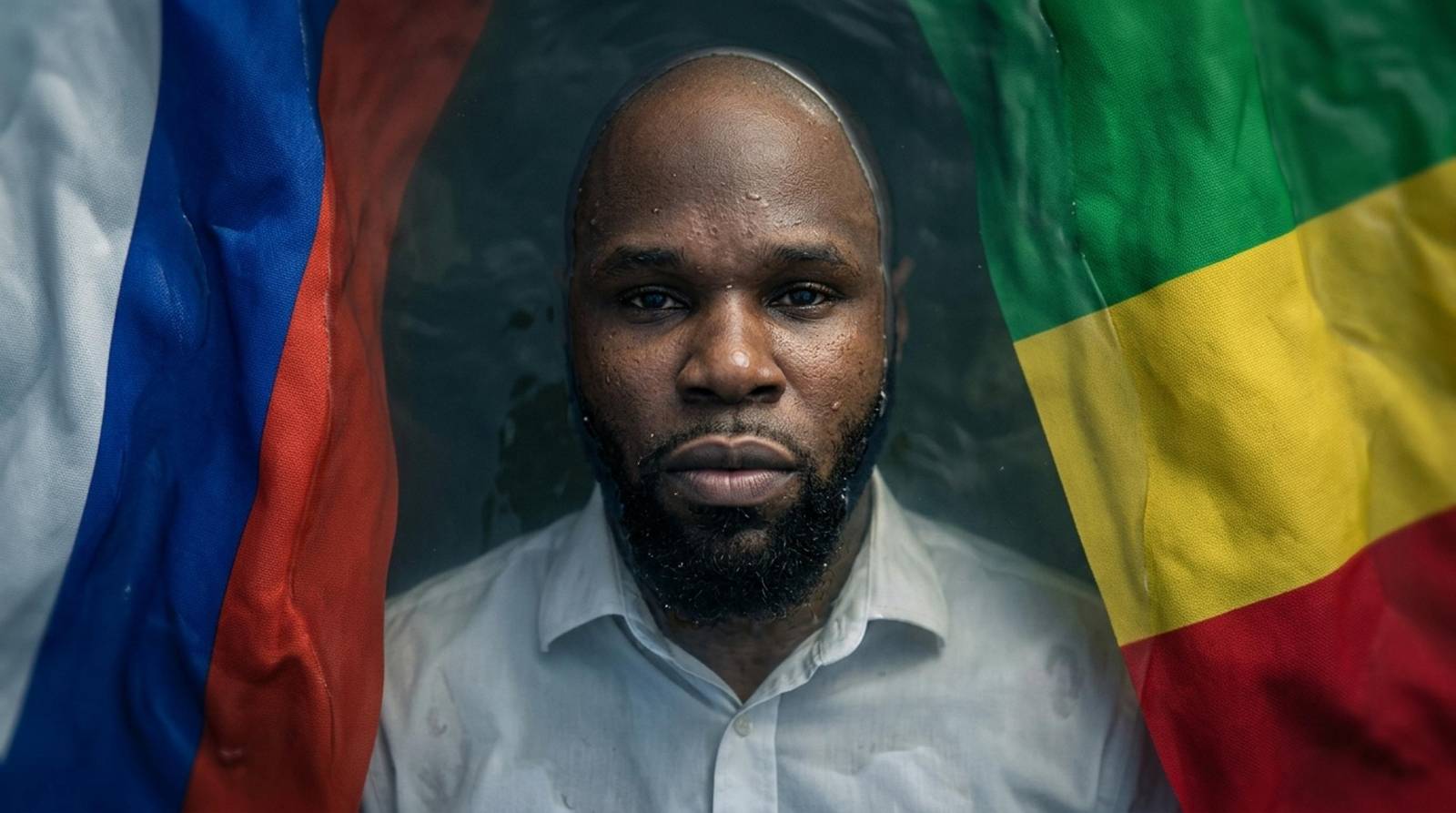
Kemi Seba’s evolving rhetoric: from ally to critic
Amid this turmoil, Kemi Seba’s shifting position has drawn significant attention. Once a vocal advocate for Russian influence in the Sahel, Seba now dismisses Moscow’s presence as purely transactional. However, this shift didn’t happen overnight. His arrest in Benin and subsequent forced relocation to South Africa marked a turning point. The activist, who once positioned himself as a liberator, now openly questions whether Moscow’s interests align with those of the Sahel’s people.
Seba’s criticism centers on Russia’s extractive priorities, particularly in mining. His evolving stance reflects a painful realization: foreign alliances may prioritize resource exploitation over genuine regional development and security. His transition from ally to critic serves as a cautionary tale about the dangers of unchecked foreign intervention.
The AES nations grapple with strategic uncertainty
The unease extends beyond Seba’s personal journey. For Burkina Faso and Niger, the turmoil in Mali serves as a stark warning. The narrative of an Eastern miracle solution is crumbling under the weight of brutal reality: insecurity persists, and the cost of foreign support is eroding local sovereignty. Citizens across the Sahel are left waiting for a security solution that addresses their needs—not the geopolitical ambitions of external actors.
As the Sahel stands at this crossroads, the gap between rhetoric and reality grows wider. Populations endure the consequences while leaders and activists navigate shifting alliances and unmet promises. A sustainable path forward requires prioritizing local security over foreign interests—and recognizing that no external partner can replace the need for homegrown solutions.
Comments are closed, but trackbacks and pingbacks are open.