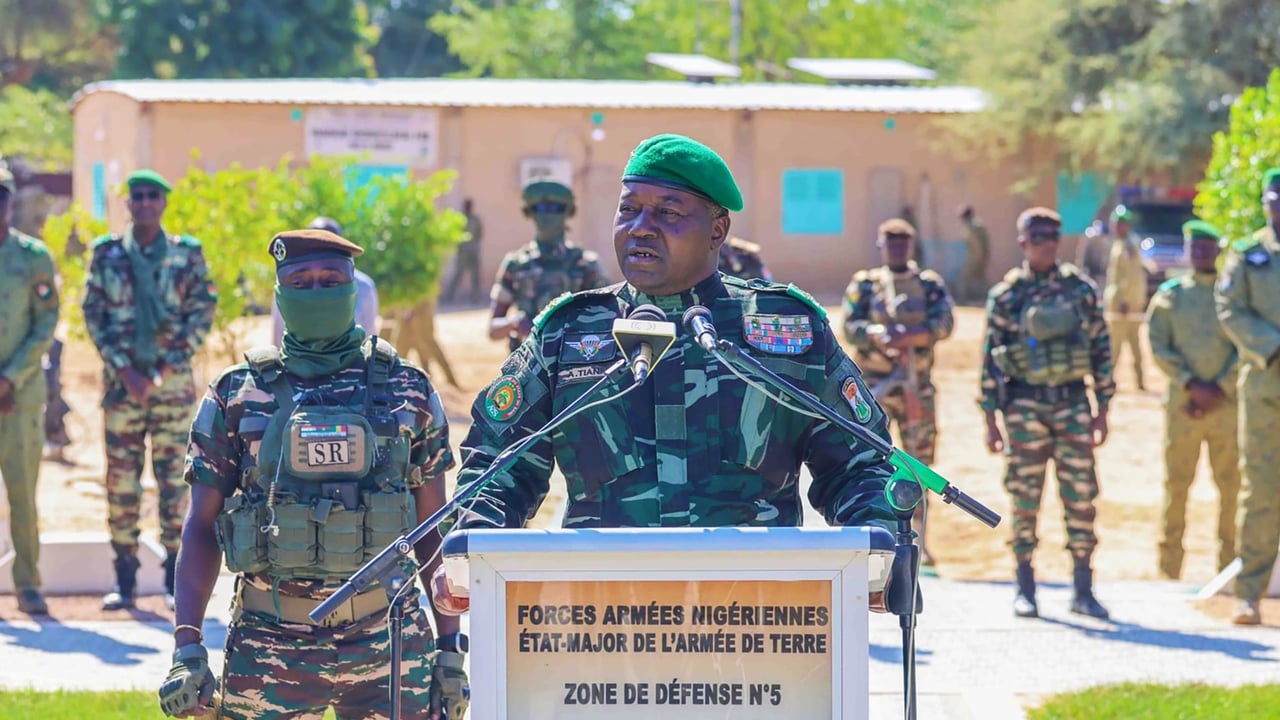

The capital of Niger, Niamey, witnessed an unprecedented security breach in recent weeks. On the night of January 28 to 29, dozens of Islamic State fighters in the Greater Sahara stormed the city’s international airport and the adjacent military base 101. The attackers targeted civilian aircraft and set military equipment ablaze, as shown in a video released by the group.
This bold assault raises critical questions about the effectiveness of President Abdourahamane Tiani’s security strategy in the face of escalating extremist threats. Since taking office, Tiani has prioritized military reform and regional cooperation to combat terrorism. However, the attack highlights persistent vulnerabilities in Niger’s defenses, particularly in urban centers.
security challenges faced by Niger’s leadership
President Tiani assumed power following a transitional phase marked by political instability. His administration inherited a complex security landscape, with armed groups operating across the Sahel region, including:
- Islamic State in the Greater Sahara (EIGS): A dominant force in the tri-border area of Niger, Mali, and Burkina Faso
- Jama’at Nusrat al-Islam wal Muslimin (JNIM): Al-Qaeda-affiliated group active in central Niger
- Local militias: Emerging threats in rural and border regions
Under Tiani’s leadership, Niger has strengthened its military alliances, particularly with neighboring countries through the Accra Initiative, and deepened partnerships with international partners like France and the United States. These efforts aim to curb the spread of extremist violence that has destabilized the Sahel for over a decade.
military reforms and operational shifts
Tiani’s security strategy focuses on several key areas:
- Enhanced intelligence gathering: Expanding surveillance capabilities in high-risk zones
- Community engagement: Building trust with local populations to reduce recruitment by extremist groups
- Regional coordination: Strengthening joint operations with neighboring nations to disrupt militant networks
- Defense modernization: Upgrading equipment and training for Niger’s armed forces
Despite these measures, the January airport attack demonstrates that challenges remain, particularly in protecting critical infrastructure and preventing urban terrorism.
the role of international partnerships
Niger’s security framework relies heavily on international support, including:
- French military presence: Ongoing Operation Barkhane support against jihadist groups
- US security assistance: Training and equipment for Nigerien forces
- European Union missions: Capacity-building programs in counter-terrorism
While these collaborations have bolstered Niger’s capabilities, critics argue that over-reliance on foreign forces may undermine long-term self-sufficiency.
the path forward for Niger’s security
The January assault on Niamey’s airport serves as a stark reminder of the evolving threat landscape in the Sahel. President Tiani faces a dual challenge: maintaining public confidence in his government’s security measures while navigating complex regional dynamics.
Key priorities for his administration include:
- Accelerating the recruitment and training of national forces
- Improving intelligence-sharing mechanisms with regional allies li>Addressing root causes of extremism through socio-economic development
- Enhancing urban security protocols in major cities
The coming months will be crucial in determining whether Tiani’s strategies can effectively counter the persistent menace of terrorism in Niger and the broader Sahel region.