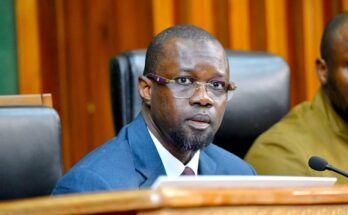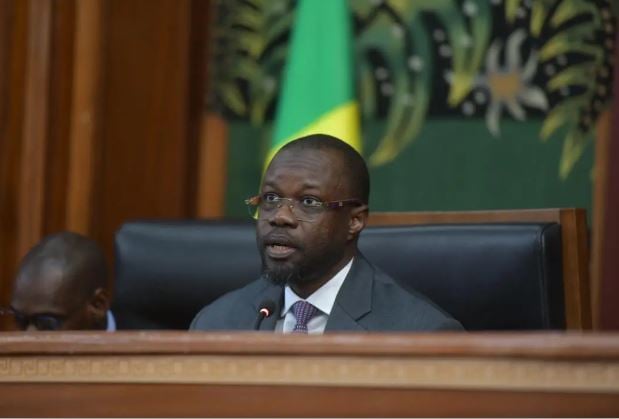
Ousmane Sonko finds himself at the heart of a fresh legal and political storm as a new challenge to his parliamentary seat emerges. A group of independent legislators has filed a formal objection against his election, sparking a process that could reshape the dynamics of Senegal’s National Assembly. The move, widely backed by opposition forces, introduces a layer of uncertainty over Sonko’s future role in the legislative body.
The dispute centers on procedural and constitutional grounds, with critics arguing that irregularities may have influenced the outcome of his electoral victory. As the case unfolds before the Constitutional Council, legal experts anticipate a rigorous examination of the evidence presented by both sides. Meanwhile, political analysts warn that the controversy could deepen divisions within Senegal’s already polarized political environment.
The initiative has drawn sharp reactions from Sonko’s supporters, who view the challenge as politically motivated. Party leaders have vowed to defend his mandate, emphasizing his commitment to legislative reform and public accountability. The unfolding drama is expected to intensify debates over governance, electoral integrity, and the balance of power in Senegal’s democratic institutions.
What’s at stake for Ousmane Sonko and Senegal’s parliament
The stakes could not be higher. If the Constitutional Council rules against Sonko, his removal from the Assembly would not only alter the composition of the opposition bloc but also signal a significant shift in the political landscape. Conversely, a ruling in his favor would reinforce his position as a leading voice in national politics and embolden his legislative agenda.
Beyond the individual consequences, the case raises broader questions about electoral transparency and the role of judicial oversight in safeguarding democratic processes. With Senegal’s political future hanging in the balance, the decision could set a precedent for how future disputes are handled in the country’s highest legal forum.
Next steps: A timeline of legal and political developments
The process now enters a critical phase as the Constitutional Council reviews the submitted evidence and prepares to issue its ruling. Lawyers on both sides are preparing robust arguments, while parliamentary observers are closely monitoring developments. The timeline for a decision remains uncertain, but all indications suggest a high-stakes showdown that will resonate far beyond the walls of the Assembly.
For Ousmane Sonko, the coming weeks will be decisive. His ability to navigate this challenge could determine not only his political survival but also the trajectory of Senegal’s democratic experiment in an era of heightened scrutiny and public expectation.