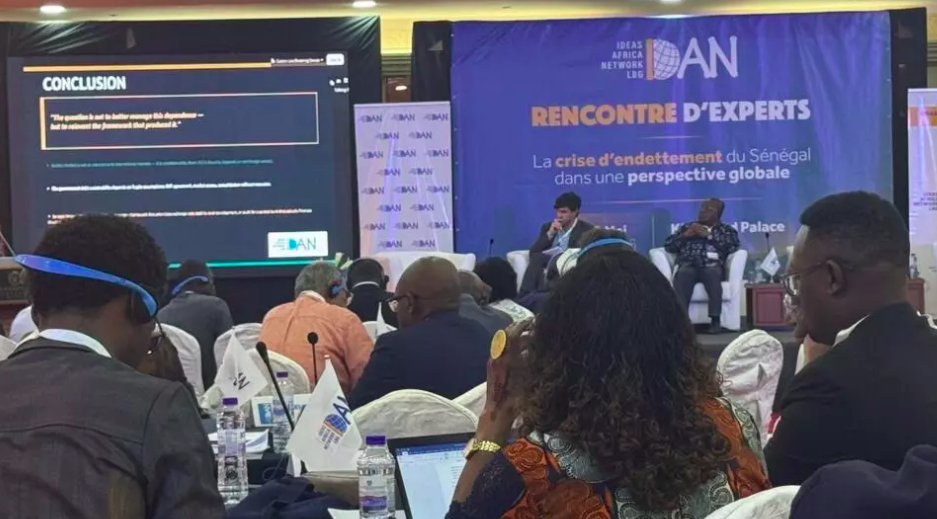
Sénégal debt crisis: economists urge smarter borrowing strategies
The alarming debt burden facing Sénégal has prompted urgent calls from leading economists for a fundamental shift in the country’s borrowing strategy. Speaking at a high-level conference in Dakar, experts warned that the current debt-to-GDP ratio of 132% requires immediate action to prevent long-term economic instability.
audit and diversification: the twin pillars of debt relief
Financial experts gathered in Dakar have proposed two critical measures to address Sénégal’s debt dilemma. First, they recommend a comprehensive public debt audit to uncover hidden liabilities and ensure transparency in government borrowing. Second, they advocate for diversifying debt sources beyond traditional multilateral institutions like the IMF.
Demba Moussa Dembélé, president of the Africaine de recherche et de coopération pour l’appui au développement endogène, emphasized the need to partner with countries that respect national sovereignty. He highlighted China as a potential ally, stating that such collaborations could help Sénégal break free from neo-colonial financial systems.
beyond the imf: exploring alternative financing routes
Ali Zafar, an economic advisor at the United Nations Development Programme (UNDP), drew inspiration from Turkey’s debt management strategy. He suggested that Sénégal follow a similar path by engaging with new creditors, including Saudi Arabia and China, to reduce reliance on the IMF.
Zafar stressed that nations like Sénégal must enter IMF negotiations with strong counterproposals to protect social sectors such as education and healthcare. He argued that the IMF should not impose rigid conditions on borrowing countries, adding, “It’s unacceptable to divert all revenue toward debt repayment or use international loans to service existing creditors.”
sovereign solutions for a sustainable future
The UNDP advisor proposed that Sénégal consider establishing an independent central bank to regain control over monetary policy. He noted that no Asian nation would tolerate the economic strain currently facing Sénégal, urging the government to pursue sovereign solutions to escape the debt crisis without over-reliance on the IMF.
Recent negotiations between the IMF and Sénégal’s Ministry of Finance and Budget, led by Director Alioune Diouf, have focused on restructuring debt terms. However, economists argue that these efforts must be complemented by broader financial reforms to ensure long-term stability.
key recommendations:
- Conduct a full audit of public debt to identify undisclosed liabilities.
- Expand creditor networks by engaging with non-traditional partners like China and Saudi Arabia.
- Strengthen negotiations with the IMF by presenting robust counterproposals.
- Protect social sectors from harsh austerity measures during debt restructuring.
- Explore sovereign solutions, including an independent central bank, to reduce dependency on external creditors.
Comments are closed, but trackbacks and pingbacks are open.