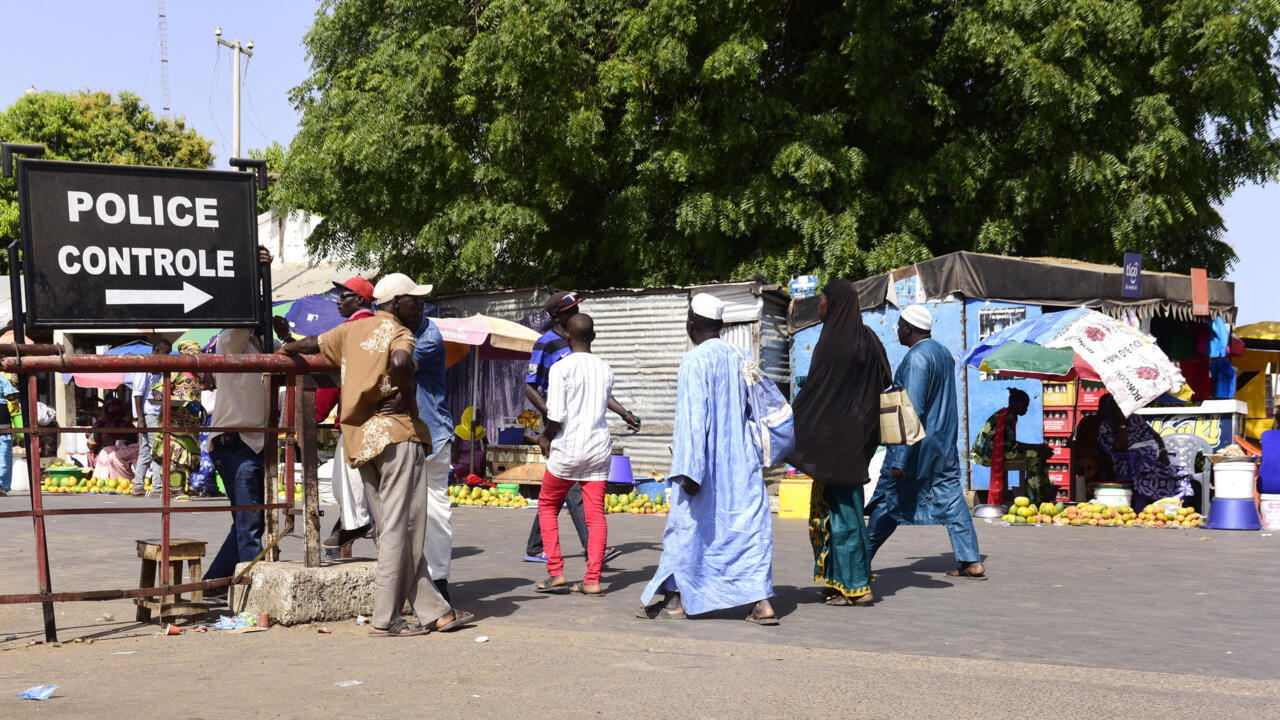
The recent incident in Bullock has reignited efforts between Senegal and Gambia to finalize the demarcation of their shared border. Both nations have announced a definitive agreement aimed at resolving lingering territorial ambiguities through a series of joint field operations.
Starting mid-August, teams from Senegal and Gambia will collaborate on installing physical boundary markers and conducting awareness campaigns for communities living along the frontier. This initiative follows months of diplomatic negotiations to address unresolved disputes that have periodically flared up along the porous 740-kilometer border.
Understanding the root of tensions at Bullock
The Bullock incident, which brought the border dispute into sharp focus, stemmed from conflicting territorial claims in a region where local livelihoods and cross-border trade are deeply intertwined. While the specifics of the clash remain under investigation, it served as a stark reminder of the unresolved issues that have long complicated relations between Dakar and Banjul.
Historically, the border between Senegal and Gambia has been a source of friction due to overlapping ethnic communities, economic dependencies, and colonial-era demarcations that left certain areas ambiguously defined. The renewed push for demarcation seeks to address these complexities by providing clear, mutually recognized boundaries.
Will the agreement bring lasting resolution?
The newly signed accord between Senegal and Gambia outlines a structured approach to border management, including the deployment of survey teams, community engagement initiatives, and the installation of permanent markers. However, experts caution that while this agreement represents significant progress, lingering questions remain about enforcement and the potential for isolated incidents in remote border areas.
Key challenges include ensuring that local populations fully understand and respect the new boundaries, as well as addressing any residual grievances from communities affected by past disputes. The success of this initiative will depend on sustained cooperation between both governments and their ability to foster trust among border communities.
Border communities set to benefit from clarity
For residents of border regions, the demarcation efforts promise much-needed clarity. Clear boundaries are expected to reduce conflicts over land use, facilitate smoother cross-border trade, and enhance security in areas that have historically been vulnerable to smuggling and unauthorized movements. Local leaders have welcomed the initiative, emphasizing its potential to improve daily life for thousands of families.
As teams prepare to begin operations in mid-August, both Senegal and Gambia are signaling a commitment to transparency and collaboration. Yet, the true test of this agreement will come in the months ahead, as the physical markers are installed and communities adjust to the new realities of their shared frontier.
Comments are closed, but trackbacks and pingbacks are open.