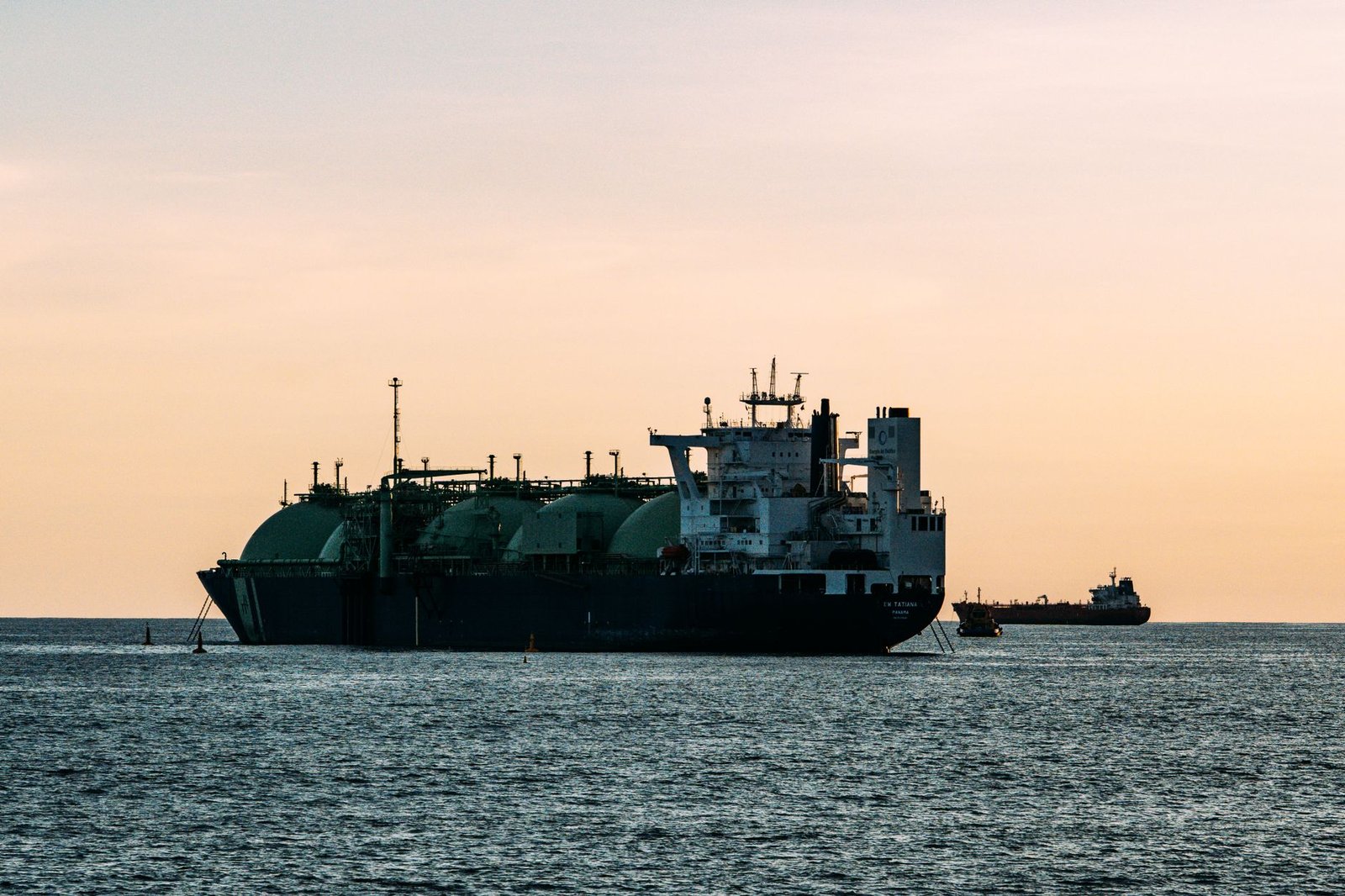
The Grand Tortue Ahmeyim (GTA) gas project, operated by Kosmos Energy, is gaining momentum as it straddles the maritime border between Senegal and Mauritania. The American firm recently updated stakeholders on its progress, confirming the commercial launch of the first phase in early 2025. This initiative is under close watch in Dakar, where Prime Minister Ousmane Sonko has made resource governance a cornerstone of his administration.
Transboundary energy venture reshapes regional dynamics
Born from years of diplomatic and technical negotiations between Senegal and Mauritania, GTA is a landmark cross-border venture. The resource is split evenly between both nations—a rare arrangement in West African extraction industries. Kosmos Energy, alongside bp—a long-standing license holder—oversees development, while Petrosen (Senegal’s national oil company) and SMH (Mauritania’s hydrocarbons firm) represent state interests in the consortium.
The initial phase leverages a floating liquefaction unit (FLNG) to process gas for export. Target output hovers around 2.3 million tons of liquefied natural gas annually. Kosmos reports steady progress toward full operational capacity, following technical commissioning last year and the dispatch of first cargoes.
Political expectations clash with operational realities
The ascent of President Bassirou Diomaye Faye and Prime Minister Ousmane Sonko in March 2024 intensified scrutiny over GTA. Dakar has signaled intent to revisit or audit legacy contracts, citing imbalances that disadvantage the state. This stance sparked uncertainty among international operators like Kosmos and bp.
Kosmos’ latest updates seek to alleviate concerns by reaffirming adherence to timelines and stability of partnerships in both countries. Yet, financial analysts note a gap between initial projections and early production volumes, prompting the firm to temper expectations. The project’s ramp-up remains critical, as it directly impacts revenue forecasts for both governments.
Senegal anticipates billions of CFA francs in annual earnings once the FLNG reaches peak performance. These funds would bolster the intergenerational savings fund and national budget—key pillars of Dakar’s resource management strategy.
Expansion hinges on local integration and market forces
Beyond Phase 1, attention turns to Phase 2, which could lift capacity to roughly 3 million tons per year. However, no firm timeline has been set, as Kosmos cites ongoing feasibility studies without concrete commitments. Global LNG price fluctuations and the company’s debt-reduction strategy further complicate planning.
Local content remains a priority for both capitals. Dakar has urged deeper integration of national enterprises across the value chain—from industrial contracting to logistics. Sonko has also floated the idea of diverting a portion of GTA gas to domestic power plants, aiming to cut energy costs and bolster supply security.
Yet, policymakers face constraints. Existing contracts and the need to uphold investor confidence in the MSGBC basin—home to multiple exploration blocks—limit maneuverability. Kosmos and bp’s treatment will serve as a litmus test for future ventures. The credibility of Senegal’s gas ambitions now hinges on both the FLNG’s operational efficiency and the robustness of Dakar’s policy frameworks.
Comments are closed, but trackbacks and pingbacks are open.