Senegal minister takes legal action against media over false allegations
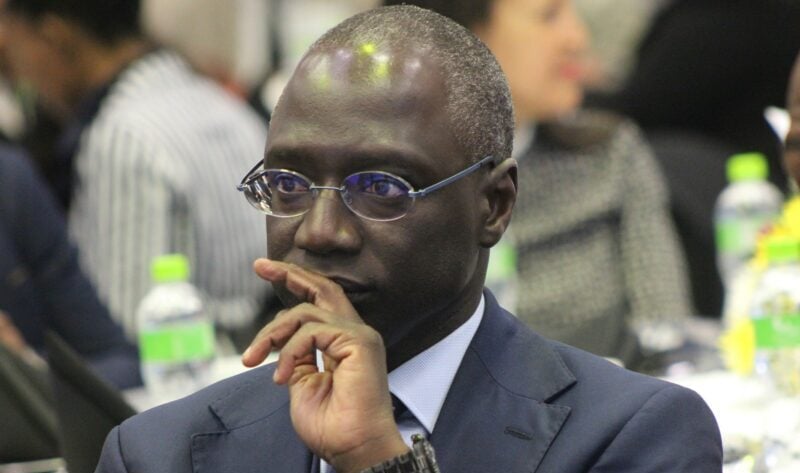
Senegal’s Minister of Agriculture, Food Sovereignty, and Livestock, Mabouba Diagne, has filed a defamation lawsuit against several media outlets. The legal action follows reports that linked him to irregularities in a Cour des comptes audit regarding subsidized agricultural equipment. The case has reignited debates on press freedom and journalistic accountability in the country.
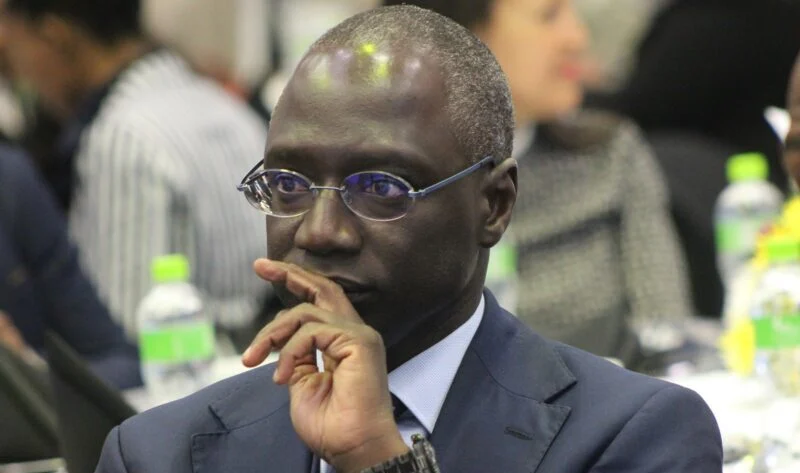
The complaint, filed by his legal representative, Me Khadim Kébé, was registered at the Dakar prosecutor’s office under case number 8815. It accuses media organizations of publishing unverified claims from a 2025 Cour des comptes draft report, which allegedly linked Diagne to financial misconduct in a subsidized agricultural program.
Key allegations and legal grounds
Minister Diagne denies any involvement in the reported irregularities, emphasizing that the contracts for the subsidized equipment were signed before his appointment. He also stressed that the draft report does not explicitly name him as a responsible party for the alleged financial discrepancies.
The lawsuit invokes Articles 255 and 258 of the Senegalese Penal Code, which address defamation and the spread of false information. Diagne argues that the publications deliberately misrepresented his role by associating his image with the reported anomalies, thereby damaging his reputation.
Broader implications for Senegal’s media landscape
This legal dispute highlights ongoing tensions between public officials and the press in Senegal. While freedom of expression remains a cornerstone of democratic governance, concerns persist over the accuracy and ethical standards of certain reporting. The case underscores the need for rigorous verification in investigative journalism, particularly when allegations of corruption or mismanagement are involved.
The outcome of this lawsuit could set a precedent for how future disputes between officials and media outlets are resolved in Senegal’s evolving political and legal landscape.