Political funds reform sparks tension between Senegal’s Prime Minister and President
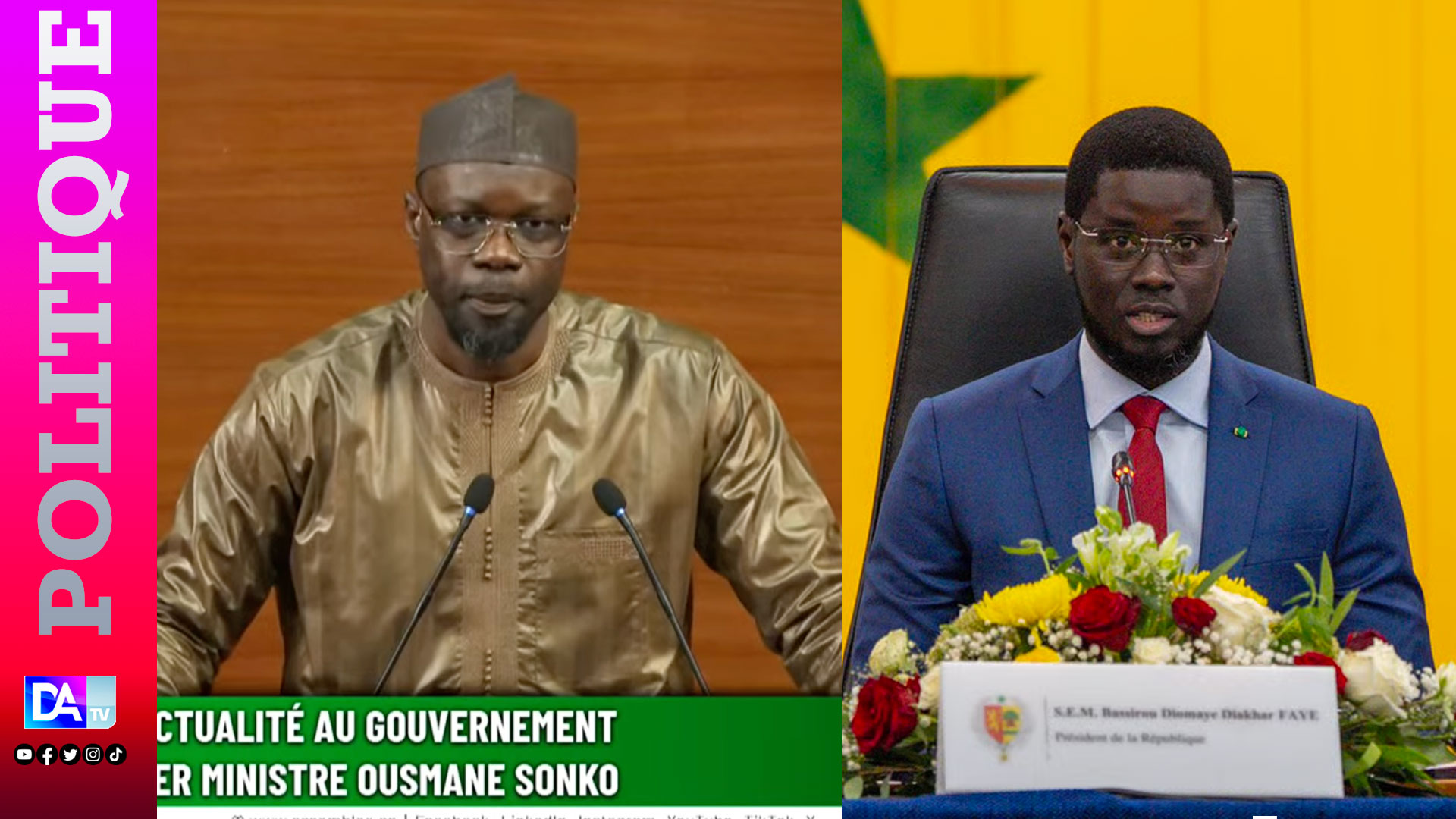
In a rare public display of disagreement, Senegal’s Prime Minister Ousmane Sonko has openly challenged President Bassirou Diomaye Faye over the control of political funds—a cornerstone reform touted during their presidential campaign. Addressing lawmakers in a parliamentary session, Sonko revealed that the legislative initiative for regulating these funds was spearheaded by Deputy Guy Marius Sagna, a move he claimed was not aligned with the government’s preferred approach.
Sonko emphasized that such critical financial oversight matters should originate from the executive branch, not the National Assembly, and admitted to personally alerting the President about the initiative. He stressed the urgency of addressing this issue, warning that if the President’s response remains delayed, the government will take decisive action by submitting the reform to the Council of Ministers for approval.
President Diomaye Faye, however, responded cautiously, urging Sonko to allow time for evaluating the reform’s feasibility. The President did not provide a clear timeline, leaving the Prime Minister frustrated with the lack of immediate progress. This standoff underscores the growing governance tensions between Senegal’s two highest-ranking leaders, particularly on matters of financial transparency and institutional authority.
Consequences of political funds mismanagement
Senegal’s political landscape has long grappled with concerns over the transparency of political financing. Unregulated funds have historically fueled corruption, undermining public trust in governance. The proposed reform aims to establish stricter controls, ensuring that political parties and campaigns operate within a transparent financial framework. Sonko’s insistence on swift action reflects broader societal demands for accountability in public spending.
Government unity at risk?
The disagreement between Sonko and Diomaye Faye raises questions about the cohesion of their coalition, PASTEF. While both leaders campaigned on promises of reform, their differing approaches to governance—particularly on financial oversight—highlight potential fractures in their partnership. Sonko’s threat to bypass presidential hesitation suggests a willingness to push forward independently, even at the risk of further straining relations with the Head of State.