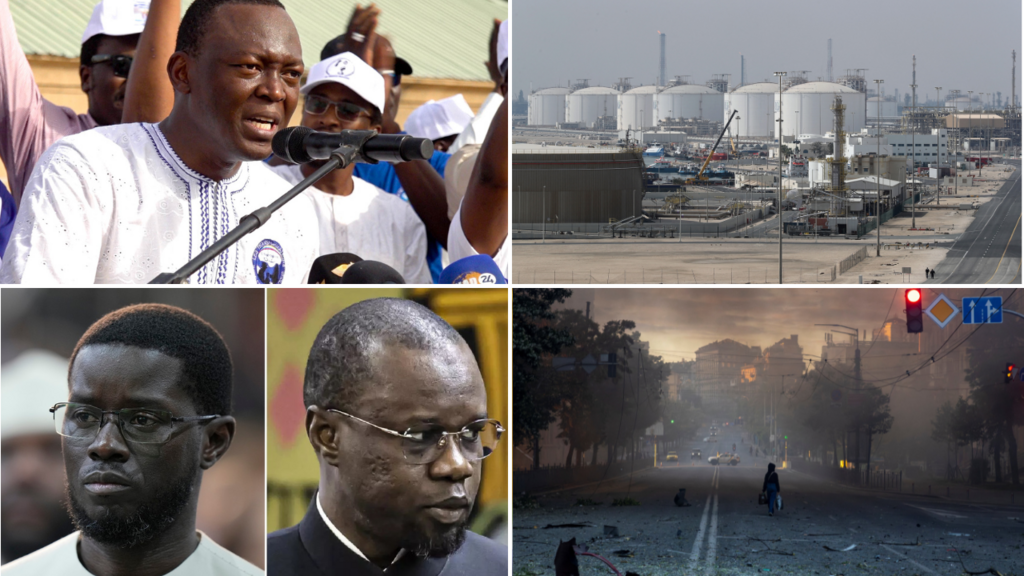
After months of escalating tensions within Senegal’s highest executive circles, President Bassirou Diomaye Faye took decisive action by removing Ousmane Sonko from office. With the Pastef party, led by the former Prime Minister, holding an overwhelming majority in the National Assembly, the Head of State will now have to navigate a complex political landscape. The question remains: will this power shift reinforce Faye’s position or inadvertently strengthen Sonko’s influence?
a strategic move in Senegal’s political arena
The removal of Ousmane Sonko, a prominent figure in Senegalese politics, marks a significant turning point in the country’s governance. President Bassirou Diomaye Faye’s decision to dismiss Sonko comes amid growing friction between the two leaders, despite their shared political origins. The Pastef party’s dominance in the National Assembly means Faye must now engage in a delicate balancing act to maintain stability and avoid alienating key allies.
Analysts suggest that this move could either consolidate Faye’s authority or create a power vacuum that Sonko might exploit. The coming weeks will be critical in determining the long-term impact of this political rupture on Senegal’s democratic institutions and governance.
what’s next for Senegal’s political future?
The political dynamics in Senegal are evolving rapidly. With Sonko no longer in office, the country faces a period of uncertainty. Will Faye’s government be able to implement its agenda without resistance from the opposition? Or will this shake-up embolden Sonko to challenge the administration from within or outside the political sphere?
The answers to these questions could redefine Senegal’s political trajectory in the months ahead. As the nation watches closely, the balance of power remains precarious, with both leaders vying for control in a shifting landscape.
The unfolding events in Senegal’s political sphere are being closely monitored across Africa and beyond. The decisions made in the coming days will not only shape the nation’s future but could also influence broader regional dynamics.