Skyrocketing ticket prices for Champions League final ignite black market frenzy
Extortionate prices, fake sellers, and mobile-locked tickets plague supporters ahead of the Arsenal-PSG showdown in Budapest
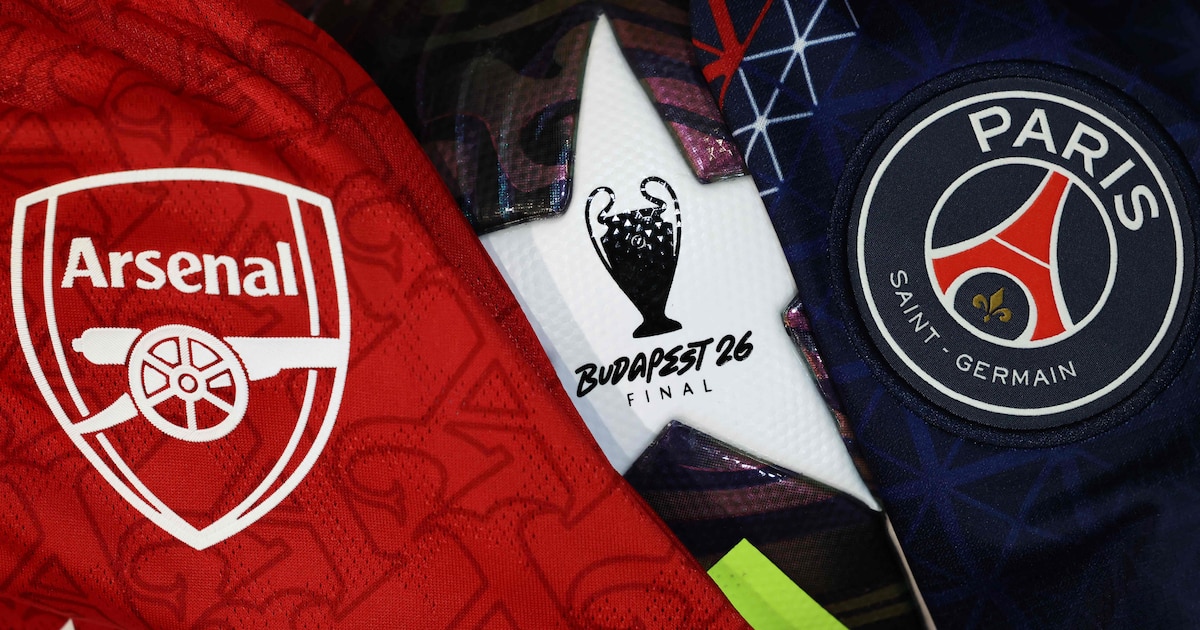
Securing tickets for major sporting events or blockbuster concerts has become a high-stakes gamble, with prices often soaring to four or even five figures on resale platforms. The upcoming Champions League final on May 30th between Arsenal and PSG is no exception, where the stark mismatch between supply and demand is fueling a booming black market.
While Arsenal boasts an English league title and PSG arrives as defending French champions and Champions League holders, only 18,000 tickets per club are officially allocated. The remaining 31,000 seats—reserved for neutral spectators, partners, and other distribution channels—create a glaring imbalance that scammers and resellers are exploiting ruthlessly.
Scams are rampant on X, but WhatsApp groups operate with disturbing efficiency—almost like a professional ticketing operation.
Prices reach €115,000 per ticket—but buyer beware. WhatsApp groups offer no tickets below €2,000, with Fan Pass and SeatPick charging up to €115,000. The UEFA’s official prices range from €70 to €950, highlighting the grotesque markup in the secondary market.
The black market thrives on scarcity. WhatsApp resellers bulk-purchase tickets to resell at inflated prices, while social media platforms like X become hunting grounds for scammers. Thomas, who failed to secure a ticket, recounts a near-miss: “We contacted a seller who requested our bank details and ID. After transferring the money, the seller vanished instantly.”
Even subtle clues can reveal fraud. Thomas later noticed the Google Gemini logo on the ticket screenshot—a red flag for counterfeit documents.
It’s hard to tell if it’s a lone operator or an organized crime ring. Either way, the whole thing feels unsettling. Where does all that money go?
UEFA tightens grip on ticketing—but loopholes persist
The UEFA has implemented strict measures to curb fraud, mandating that tickets be accessed exclusively via the UEFA Mobile Tickets app. Traditional paper tickets or PDFs are now obsolete, and screenshot-based tickets are explicitly invalid. Even the QR code is tied to the device used to download the ticket, ensuring a single-use policy.
The app’s safeguards aim to prevent multiple resales of the same ticket or disappearances post-payment. However, resourceful resellers have found a workaround: selling the ticket along with the smartphone it’s locked to. Offers like “two tickets + a smartphone for €19,500” have surfaced on WhatsApp, forcing buyers into risky face-to-face transactions or unsecured mail deliveries.
The black market’s shadowy nature leaves buyers questioning the fate of their money. “Is this a one-person operation or a criminal syndicate? It’s unsettling not knowing where the funds end up,” Thomas admits, having ultimately secured a ticket for the Parc des Princes via WhatsApp—only to watch the Budapest final unfold on an oversized screen.