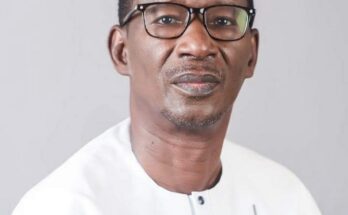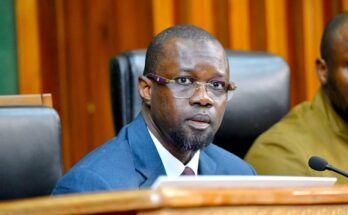
After months of simmering tensions in Dakar, President Bassirou Diomaye Faye has terminated the appointment of Prime Minister Ousmane Sonko, confirming a definitive split at the heart of Senegal’s executive branch. The move comes despite earlier assurances of a unified leadership. Sonko, founder of the Pastef party and former government head, has swiftly redirected his focus to the National Assembly, where his party holds a commanding majority following the recent snap legislative elections.
An unsustainable power-sharing arrangement
The Diomaye-Sonko partnership, forged after the March 2024 presidential vote, represented an unprecedented political experiment in West Africa. Diomaye, initially a stand-in candidate after his mentor’s disqualification, had vowed to govern collaboratively. The arrangement relied on a delicate balance: institutional legitimacy for the president, while Sonko retained control over party structures and grassroots support. Though praised by supporters as a democratic innovation, this dual leadership model carried the seeds of its own demise.
Over time, disagreements intensified over reform implementation, handling of legal cases inherited from the Macky Sall era, economic policy, and the pace of fulfilling campaign promises. As the president consolidated his authority, Sonko’s political space narrowed. Senegal’s constitutional framework, which vests ultimate executive power in the presidency, left little room for a lasting power-sharing dynamic where both leaders claimed a share of the 2024 electoral mandate.
Sonko’s strategic pivot to parliamentary leadership
Though removed from the premiership, Ousmane Sonko remains a key political force. By leveraging his party’s parliamentary majority, he has recast the National Assembly as both a political command center and a platform for institutional opposition against the presidential palace. This strategy echoes the playbook of other African leaders who, after being sidelined from executive power, transformed legislative chambers into enduring centers of influence.
For President Diomaye Faye, the situation presents a significant challenge. With a parliamentary bloc still loyal to Sonko, the president’s ability to advance legislation—including budget approvals and major reforms—now hinges on navigating an unfamiliar power dynamic within his own political movement. The appointment of a new government and the passage of key reforms will require careful negotiation with a legislature that answers first to Sonko’s leadership.
What this means for Senegal’s future
The rift between the two leaders transcends personal differences, casting doubt on the coherence of the sovereignist agenda championed by Pastef. Critical issues now hang in the balance, including renegotiations of oil and gas contracts, reforms to the CFA franc, audits of public finances, and migration policy. International partners—from the International Monetary Fund to investors in the Sangomar and Grand Tortue Ahmeyim fields—are closely monitoring Senegal’s institutional stability, a country long regarded as a democratic model in the region.
Regionally, the development occurs at a pivotal moment for the Economic Community of West African States (ECOWAS), which is working to rebuild cohesion after the withdrawal of Sahelian states into the Alliance of Sahel States. Dakar, under Diomaye Faye’s leadership, had positioned itself as a mediator. Now, internal political turmoil risks weakening its diplomatic influence. Whether the president can rally a new government capable of restoring stability remains uncertain. Equally uncertain is whether Sonko’s loyal base will take to the streets, testing the government’s resolve and public order.
Senegal now faces a period of political uncertainty, the resolution of which will shape the trajectory of the country’s second democratic transition. The outcome will define not just the legacy of the current administration, but the broader direction of West African governance.