Senegal’s top lawmaker steps down amid rising political stakes

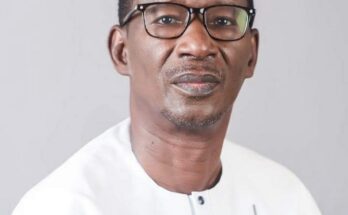
Senegal’s political landscape has been rocked by a dramatic resignation after the country’s National Assembly President, Malick Ndiaye, announced his departure from the helm of the legislative body on Sunday, May 25. The move came just hours after an emergency meeting of his party, Pastef, raising immediate questions about the future direction of governance in the nation.
In a statement shared on social media, Ndiaye cited a deeply personal decision rooted in his commitment to institutional integrity and the national interest. “After careful reflection, guided by a sense of duty and the greater good, I have chosen to resign from my position,” he declared. His tenure had been marked by efforts to strengthen transparency, oversight, and the international profile of the Senegalese Parliament.
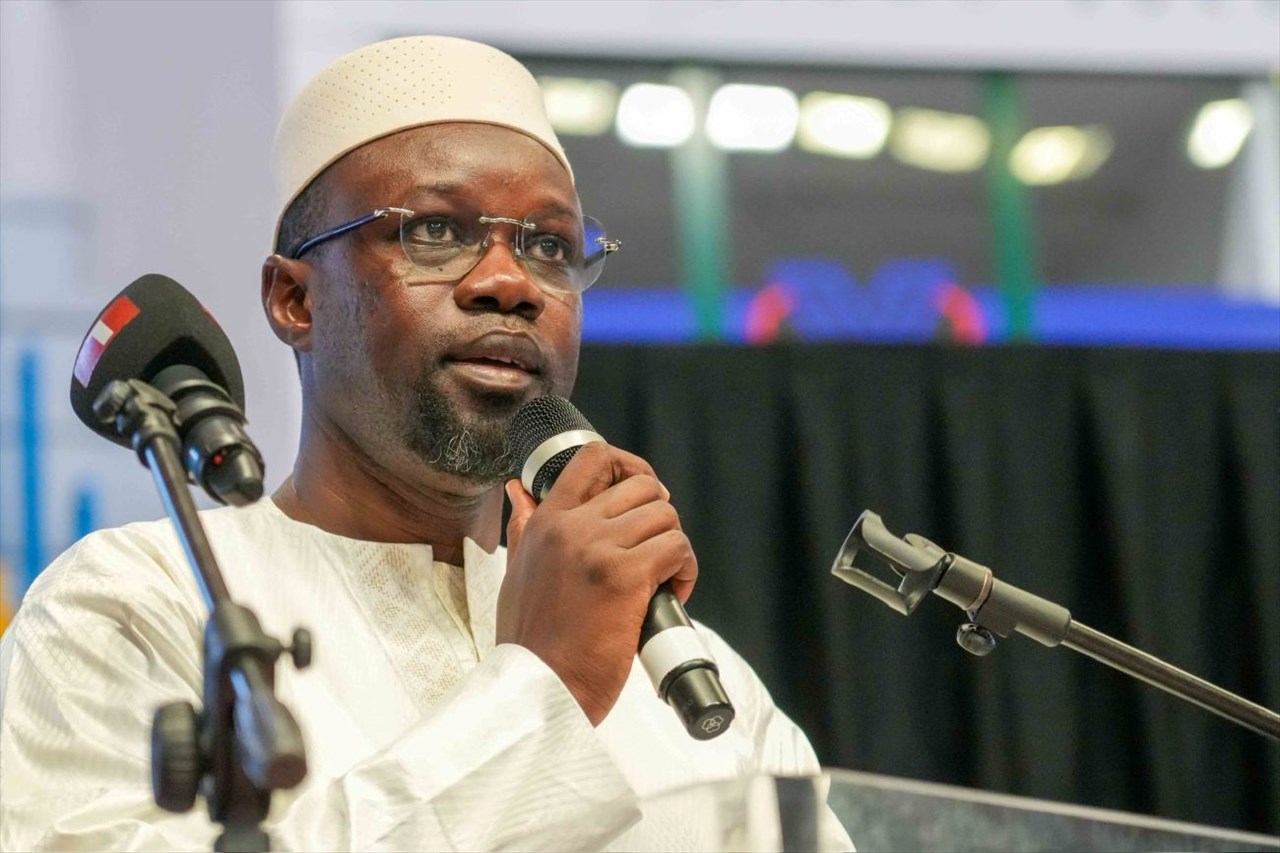
Within hours of his announcement, the Assembly took swift action to reinstate Ousmane Sonko, the former Prime Minister, who had been removed from office just two days earlier. A fresh election for the Assembly presidency was scheduled for the following Tuesday, with Sonko positioned as the frontrunner given his party’s commanding majority in parliament.
If elected, Sonko would ascend from his recently terminated role as head of government to become the second-highest-ranking official in the country, a meteoric rise that underscores the fast-evolving dynamics of Senegalese politics. The shift marks a clear transition from the previous partnership between President Bassirou Diomaye Faye and Sonko to a more competitive political rivalry.
The coming months promise intense negotiations, shifting alliances, and strategic maneuvering, particularly as local elections loom and the 2029 presidential race approaches. One critical question remains unanswered: will President Faye take the bold step of dissolving the Assembly once the constitutional deadline expires in December?
Meanwhile, the nation watches closely as the search intensifies for a new Prime Minister, tasked with forming a government under increasingly strained political conditions.