Dakar wakes up this morning to a reshuffled political landscape. A new Prime Minister has taken office, and within hours, the National Assembly will vote to elect its next president. These changes mark a turning point for the country’s institutions.
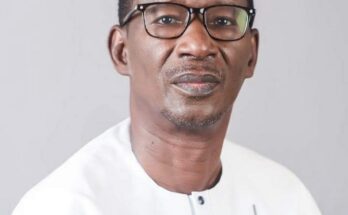
At the heart of this transition is Ahmadou Al Aminou Mohamed Lo, appointed as Head of Government. Described as a seasoned technocrat, Lo previously served as Minister of the National Agenda for Senegal 2050. His expertise in national and international financial circuits earned him recognition as the ideal choice to navigate the current economic challenges while advancing the nation’s long-term goals.
«An economist at the helm of the Prime Minister’s office,» headlines a leading local daily. His deep understanding of macroeconomics, banking regulation, financial markets, and Islamic finance positions him as a key architect of the new governance model. Lo’s appointment signals a strategic shift toward fiscal responsibility and economic reform.
Sonko’s return to parliament: a high-stakes gamble
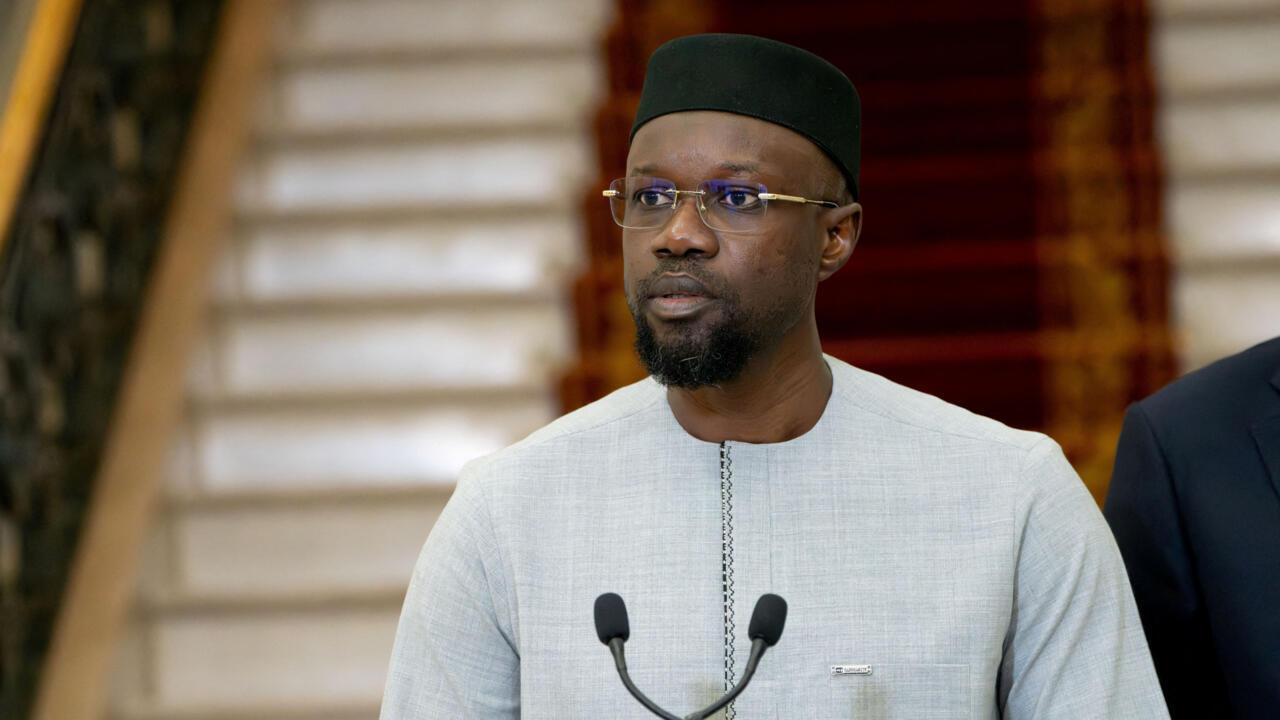
The day’s most anticipated event is the National Assembly session, where lawmakers will deliberate on two critical issues: the reinstatement of Ousmane Sonko as a deputy and the election of a new Assembly president. The stakes could not be higher.
A faction within the ruling coalition is pushing for Sonko’s return, arguing that his absence from parliament weakens the institution. His supporters claim a majority of 130 seats out of 165—secured in the 2024 legislative elections—entitles them to reclaim their leader’s seat. However, legal experts warn that the law may not support this move. Under Senegalese electoral rules, a replacement deputy typically serves for the remainder of the legislature, raising serious questions about Sonko’s eligibility.
The outcome of this vote could redefine the balance of power in the Assembly. If Sonko is reinstated, the country may face an unprecedented cohabitation, with the President forced to work alongside a parliamentary majority loyal to his fiercest opponent.
2029 elections: the unspoken agenda
Observers are already speculating about the long-term implications of these changes. With the 2029 presidential election looming, Ousmane Sonko’s political ambitions are no secret. His party, the Pastef, has already initiated electoral reforms critics argue are designed to smooth his path to candidacy. Yet the question remains: will he wait until the scheduled vote, or will he attempt to accelerate the political calendar by reshaping the power structure?
A potential confrontation between two competing legitimacies within the same coalition could plunge the country into instability. Senegal, long seen as a bastion of stability in a turbulent region, may be entering a period of uncertainty. The next few hours could set the tone for years to come.